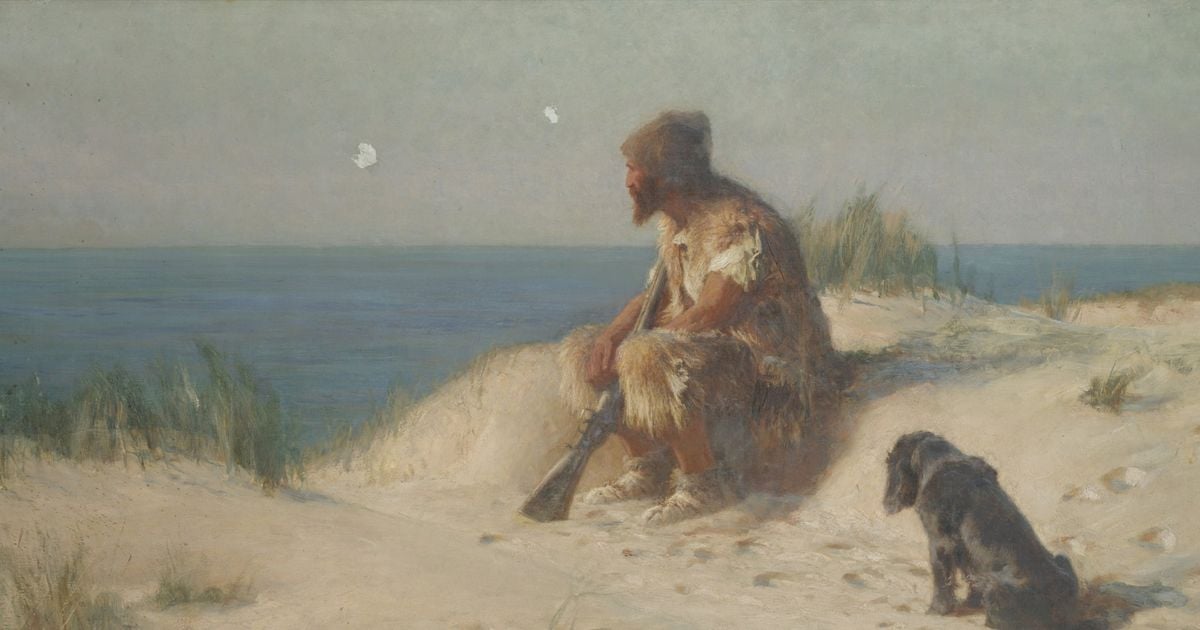
Robinson Crusoe
Daniel Defoe · 1719 · 19 chapters
Each chapter is a life-skill reading. Open it for why it matters, the lessons, a psych reading, and what is in the mind.
Start with chapter 1Chapters
- Chapter 1Why it mattersReading Power DynamicsLessonsHow desperation can spark resourcefulness and strategic thinking · Why building trust with allies is crucial in dangerous situations · How to recognize and seize windows of opportunity when they appearPsych readingStrategic Patience Under AdversityIn the mindThis chapter reveals a fundamental pattern: extreme adversity does not just test character; it forges new capabilities.
- Chapter 2Why it mattersRecognizing Self-Sabotage PatternsLessonsHow greed and restlessness can destroy prosperity and safety · The importance of accepting help gracefully and building trust · Why ignoring wise counsel often leads to predictable disastersPsych readingRestless SabotageIn the mindSome people systematically destroy every good thing that happens to them.
- Chapter 3Why it mattersStrategic ReframingLessonsHow to turn crisis into opportunity through systematic action · The power of reframing perspective when facing overwhelming challenges · Why securing basic needs creates the foundation for long-term survivalPsych readingThe Asset InventoryIn the mindRobinson's transformation in this chapter reveals a crucial pattern: how we frame our circumstances determines our capacity to act.
- Chapter 4Why it mattersBuilding Psychological ScaffoldingLessonsHow to break overwhelming tasks into manageable daily routines · Why documenting your progress helps maintain motivation during long projects · How to find meaning and hope in unexpected small discoveriesPsych readingSystematic RecoveryIn the mindThis chapter reveals a fundamental pattern: when life strips everything away, survival depends on building systems rather than simply solving isolated problems.
- Chapter 5Why it mattersRecognizing Forced Clarity MomentsLessonsHow crisis can force us to confront our deeper beliefs and values · The difference between surface gratitude and genuine spiritual reflection · Why physical recovery often requires addressing mental and spiritual healthPsych readingThe Forced Stillness MirrorIn the mindWhen life strips away all the usual defences and distractions, we often discover what we actually believe about ourselves and the world.
- Chapter 6Why it mattersStrategic PatienceLessonsHow to systematically explore and assess new environments for opportunities · The importance of understanding natural cycles before making major decisions · Why learning from failure is more valuable than avoiding all risksPsych readingStrategic PatienceIn the mindCrusoe's approach to the island's seasonal patterns reveals a crucial principle: sustainable effort requires understanding the rhythms of your environment before committing resources to it.
- Chapter 7Why it mattersRecognizing Hidden AssetsLessonsHow exploring your full situation reveals hidden opportunities and resources · Why establishing routines and structure creates stability in uncertain times · How gratitude and perspective can transform even difficult circumstancesPsych readingThe Grass-is-Greener ResetIn the mindCrusoe's third year reveals a pattern that separates people who survive long-term adversity from those who are consumed by it: the grass-is-greener reset.
- Chapter 8Why it mattersLearning Through Productive FailureLessonsHow to break down complex problems into manageable steps · Why planning ahead prevents wasted effort and disappointment · The power of gratitude to transform your perspective on hardshipPsych readingThe Productive Failure LoopIn the mindCrusoe's pottery sequence in this chapter reveals one of the most practically useful patterns in the novel: productive failure versus repetitive failure.
- Chapter 9Why it mattersBackwards PlanningLessonsHow to learn from mistakes and adapt your approach · Why focusing on what you can control reduces anxiety · The importance of patience in building sustainable systemsPsych readingThe Logistics Blind SpotIn the mindCrusoe's two canoe projects reveal one of the most instructive patterns in the novel: the difference between planning forward and planning backward.
- Chapter 10Why it mattersRecognizing Comfort Zones That Have Become CagesLessonsHow fear can either paralyze us or motivate better preparation · Why isolation makes us crave what we once feared · The importance of having backup plans for survivalPsych readingThe Comfort Fear LoopIn the mindCrusoe's reaction to the footprint reveals a pattern that affects anyone who has finally built stability after a long period of instability: the comfort fear loop.
- Chapter 11Why it mattersRecognizing Trauma-Driven ExtremismLessonsHow fear can paralyze decision-making and cloud judgment · The importance of distinguishing between real and imagined threats · Why moral clarity requires stepping back from emotional reactionsPsych readingFear-Driven ExtremismIn the mindCrusoe's response to the cannibal footprint reveals a pattern that shows up wherever genuine fear overrides accumulated experience: the trauma-driven extremism loop.
- Chapter 12Why it mattersRecognizing Social CurrencyLessonsHow isolation affects decision-making and risk assessment · Why material wealth means nothing without human connection · How to find meaning in helping others even when you can't save themPsych readingThe Wealth ParadoxIn the mindCrusoe's reaction to the gold coins in the Spanish wreck exposes one of the novel's central insights about wealth: money is a social technology, not a universal value, and it becom
- Chapter 13Why it mattersRecognizing Earned Trust vs. Cheap TalkLessonsHow restlessness can drive us toward both danger and opportunity · Why providence often works through our willingness to act · How human connection transforms both giver and receiverPsych readingThe Earned Trust EquationIn the mindCrusoe's rescue of Friday demonstrates a pattern at the heart of every lasting relationship: trust is built through demonstrated risk rather than declared intent.
- Chapter 14Why it mattersRecognizing Reverse Teaching MomentsLessonsHow teaching others deepens your own understanding · The power of mutual respect in building relationships · Why questioning beliefs can strengthen rather than weaken themPsych readingThe Teaching ReversalIn the mindThe most important educational moment in this chapter is not what Crusoe teaches Friday but what Friday teaches Crusoe by asking the question he cannot answer.
- Chapter 15Why it mattersRecognizing Moral Courage MomentsLessonsHow loyalty is earned through consistent action, not just words · Why moral courage sometimes requires taking calculated risks · How to balance personal safety with protecting othersPsych readingThe Intervention ParadoxIn the mindCrusoe's rescue of the Spanish prisoner alongside Friday reveals a pattern at the intersection of morality and action: the intervention paradox.
- Chapter 16Why it mattersReading Power DynamicsLessonsHow to evaluate whether potential allies can be trusted · The importance of preparing thoroughly before taking action · Why sometimes helping others requires accepting calculated risksPsych readingStrategic PatienceIn the mindCrusoe's operation to retake the ship from mutineers demonstrates one of the most complete examples in the novel of strategic patience converted into decisive action.
- Chapter 17Why it mattersReading Power DynamicsLessonsHow to turn desperate situations into strategic advantages · The power of calculated deception in negotiations · Why leadership means making hard choices about who to trustPsych readingStrategic Information ControlIn the mindThe retaking of the ship in this chapter demonstrates one of the most complete examples of strategic information control in the novel: the capacity to manage what different parties
- Chapter 18Why it mattersRecognizing Financial ManipulationLessonsHow to handle sudden financial windfalls without losing perspective · The importance of honouring those who helped you during hard times · Why trusting your instincts about major decisions can save your lifePsych readingThe Fortune TransformationIn the mindCrusoe's return to sudden wealth after twenty-eight years of island self-sufficiency reveals a pattern that anyone who experiences rapid financial change will recognize: the fortune transformation problem.
- Chapter 19Why it mattersReading Earned AuthorityLessonsHow humor and confidence can defuse dangerous situations · Why teamwork and strategic thinking matter in crisis moments · How life comes full circle when you least expect itPsych readingEarned LeadershipIn the mindFriday's handling of the bear in the Pyrenees reveals one of the novel's final lessons about leadership: earned authority emerges in genuine crisis as naturally as heat rises from a fire.