
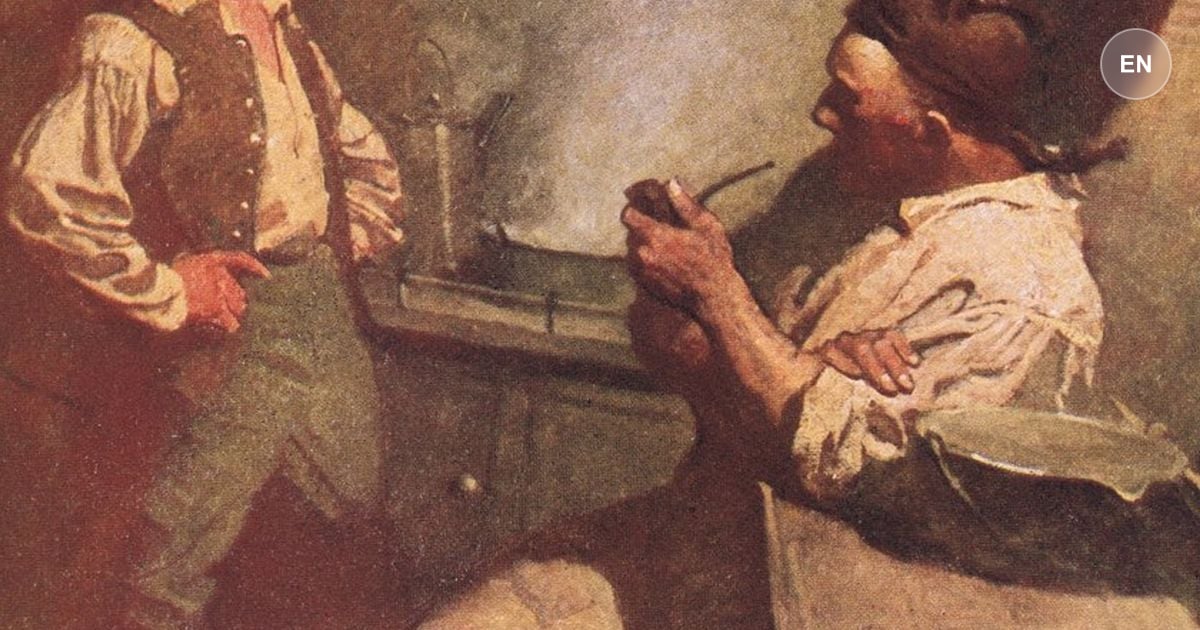
Jim delivers Billy Bones' mysterious packet to Dr. Livesey and Squire Trelawney, and what they discover changes everything. The packet contains Billy Bones' account book, a chilling record of twenty years of piracy, with crosses marking ships destroyed and fortunes stolen. More importantly, it holds a detailed treasure map of an island where the legendary pirate Captain Flint buried his vast wealth.
The map shows precise locations marked with red crosses and cryptic directions to find 'the bulk of treasure here.' The discovery electrifies the two gentlemen. Trelawney immediately begins planning an expedition, promising to outfit a ship in Bristol and take Jim and Dr. Livesey along to claim Flint's fortune. But Dr. Livesey voices the crucial concern that will drive the rest of the story: they're not the only ones who know about this treasure.
The pirates who attacked the inn are still out there, desperate to get their hands on this same map. The chapter reveals how a single document can transform ordinary people into treasure hunters, but also shows the wisdom in Dr. Livesey's caution, Trelawney's excitement and loose tongue could doom them all. Jim finds himself swept up in an adventure that will take him far from his quiet inn life, but the real dangers are just beginning.
Stevenson understood something about human nature that remains painfully relevant: we often sabotage our own opportunities through poorly timed enthusiasm. Trelawney's immediate reaction to the treasure map, making grand plans, talking openly about outfitting ships, reflects a class privilege that assumes the world operates fairly and openly. But treasure, like opportunity, doesn't respect social position. In working-class communities, this pattern plays out constantly. The factory worker who discovers a job opening and tells everyone, flooding the applicant pool. The nurse who gets excited about a potential promotion and shares it widely, only to have colleagues undermine her chances. The single parent who finds a great apartment and posts about it, alerting others to compete. The difference between Dr. Livesey and Trelawney isn't pessimism versus optimism, it's strategic thinking versus emotional reaction. Livesey understands that they're not operating in a vacuum. Other people want the same treasure, and broadcasting your plans is like painting a target on your back. This isn't about becoming secretive or paranoid; it's about understanding timing and audience. Your enthusiasm is an asset, but when and with whom you share it determines whether it helps or hurts you. The question becomes: how do we maintain genuine excitement while practicing strategic discretion?
Explore this chapter with AI to uncover deeper meaning and practical takeaways.
AI Discussion