
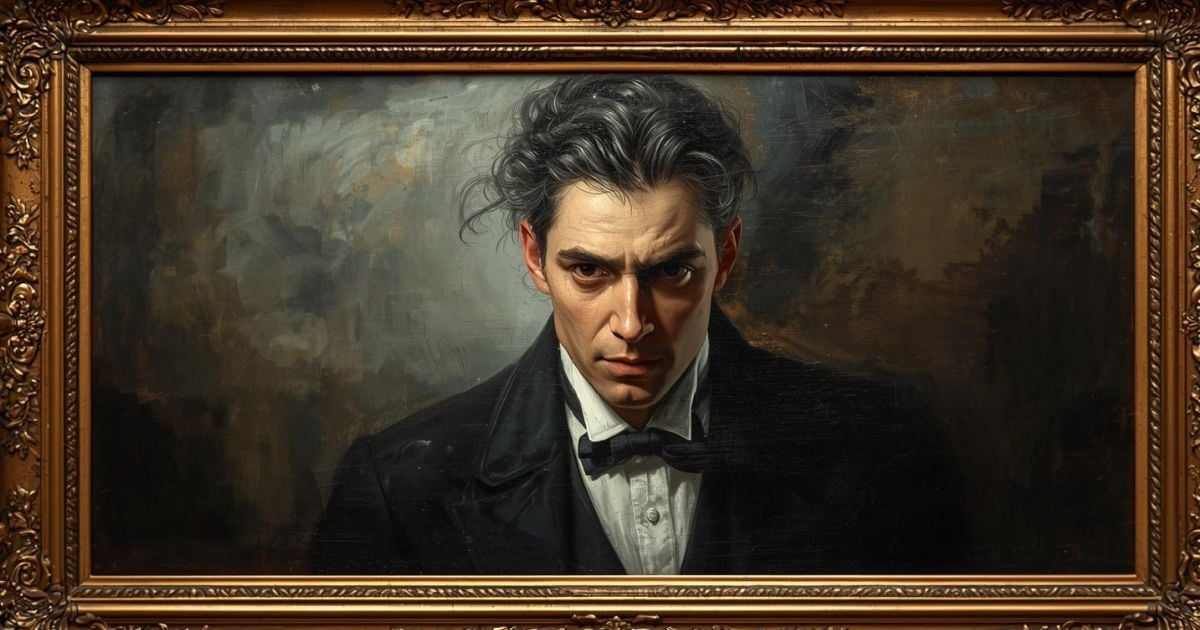
Basil arrives at Dorian's breakfast table the morning after Sibyl's suicide, frightened for the boy and hungry for reassurance. He read of the death in a late edition of The Globe and passed a dreadful night searching for Dorian. The boy is evasive, bored, and irritated: he was at the opera, he says, met Lady Gwendolen, heard Patti, and insists that if one does not talk about a thing it has never happened because expression is what makes things real.
When Basil begs him to feel the death, Dorian declares the past closed and boasts that a man who masters himself can end sorrow as easily as he invents pleasure. He reframes Sibyl as a romantic martyr who lived her finest tragedy, credits Henry with ideas, and tells Basil he only taught vanity. Basil is horrified but softens, worrying about the inquest and whether Dorian's name will surface at the theatre.
Dorian reassures him that Sibyl knew him only as Prince Charming, then panics when Basil moves toward the screened portrait and announces a Paris exhibition. Dorian threatens to end their friendship if the screen moves, proposes a secret trade, and listens as Basil confesses he worshipped Dorian while painting him, which is why he once refused to show the canvas.
Dorian feels relief because Basil's secret distracts from his own, denies that the portrait shows anything beyond admiration, and sends the painter away still barred from the painting. When Basil leaves, Dorian decides the portrait must be hidden at all costs. Wilde shows cold closure weaponized against the one friend who still grieves honestly.
Basil arrives with heartbreak. Dorian arrives with style. That mismatch is the chapter. He has already absorbed Henry's lesson that expression creates reality, so silence becomes evasion with a philosophy attached. When Basil asks him to feel Sibyl's death, Dorian does not argue facts. He argues aesthetics. The portrait screen raises the stakes because concealment is now active, not accidental. And when Basil confesses worship, Dorian feels relief instead of shame. That is how moral outsourcing completes itself: someone else's vulnerability becomes your shelter.
Explore this chapter with AI to uncover deeper meaning and practical takeaways.
AI Discussion