
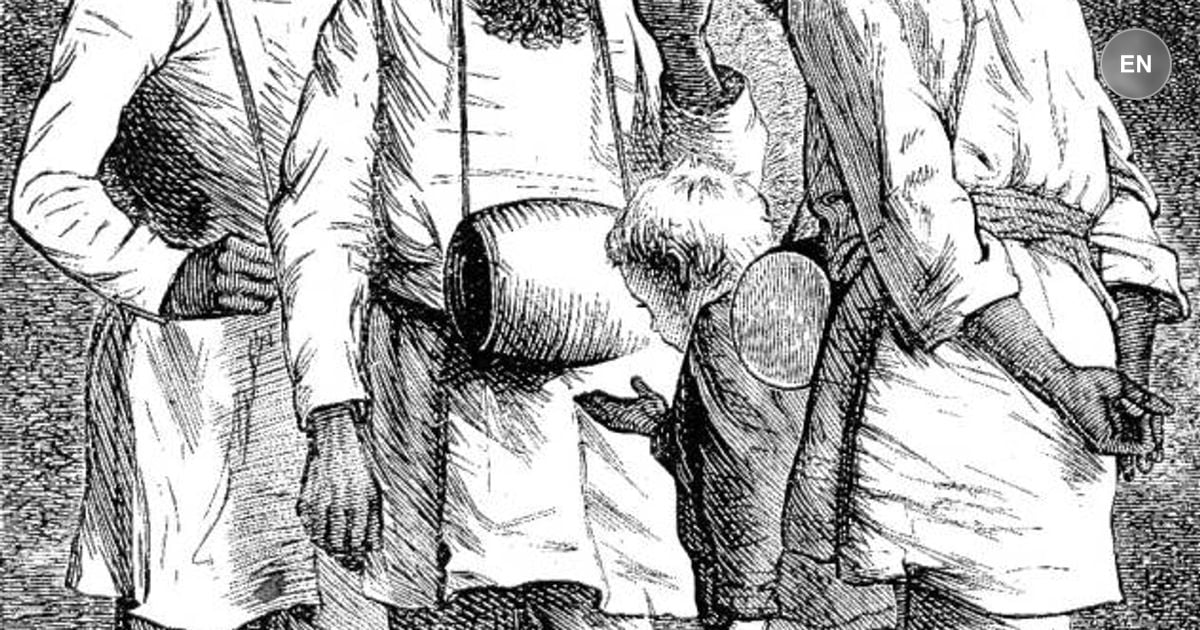
Gabriel Betteredge finds himself juggling multiple mysteries as the household buzzes with questions about Franklin Blake's sudden departure. When his daughter Penelope and the ladies of the house demand answers, Betteredge deploys the ancient art of creative truth-telling, spinning tales about foreign politics and afternoon naps to avoid revealing Franklin's real business. But a bigger puzzle emerges when Penelope reports that Rosanna Spearman, the reformed housemaid, has been acting strangely since meeting Franklin, alternating between joy and despair, obsessively asking about him, then angrily denying any interest.
Penelope drops a bombshell theory: Rosanna has fallen in love with Franklin at first sight. Betteredge's cruel laughter at this 'absurd' idea earns him a gentle but cutting rebuke from his daughter, leaving him unexpectedly shaken. Meanwhile, Franklin returns from depositing the Moonstone in the bank, but the diamond seems forgotten as he becomes enchanted with his cousin Rachel during dinner.
The evening passes pleasantly with music and conversation, but when Betteredge makes his nightly security rounds, he discovers shadowy figures lurking near the house. Though they escape, they leave behind a small bottle of black, sweet-smelling liquid, exactly like the ink the Indian jugglers used in their mysterious ritual. The threat is no longer theoretical; the enemies are at the gates, and the diamond's dangerous magnetism is drawing everyone into its web of desire and deception.
Betteredge's laughter at Rosanna's love isn't personal malice, it's social policing. He can't imagine a reformed thief with a disability deserving a gentleman's affection because that possibility threatens his entire worldview. This system justification operates everywhere today: the manager who dismisses the janitor's suggestion, the family member who mocks your career change, the neighbour who insists the struggling parent 'brought it on themselves.' The cruelty feels righteous because it maintains an order that benefits the person doing the judging. Collins shows us how this protective reflex blinds us to both human dignity and real threats. While Betteredge polices impossible love, actual danger creeps closer to the house. The same pattern plays out in modern workplaces where energy spent maintaining hierarchies could be better used solving actual problems. When someone's dreams threaten your sense of order, pause: are you protecting something valuable, or just protecting your comfort with how things are? The most insidious cruelties are the ones that feel like common sense.
Explore this chapter with AI to uncover deeper meaning and practical takeaways.
AI Discussion