
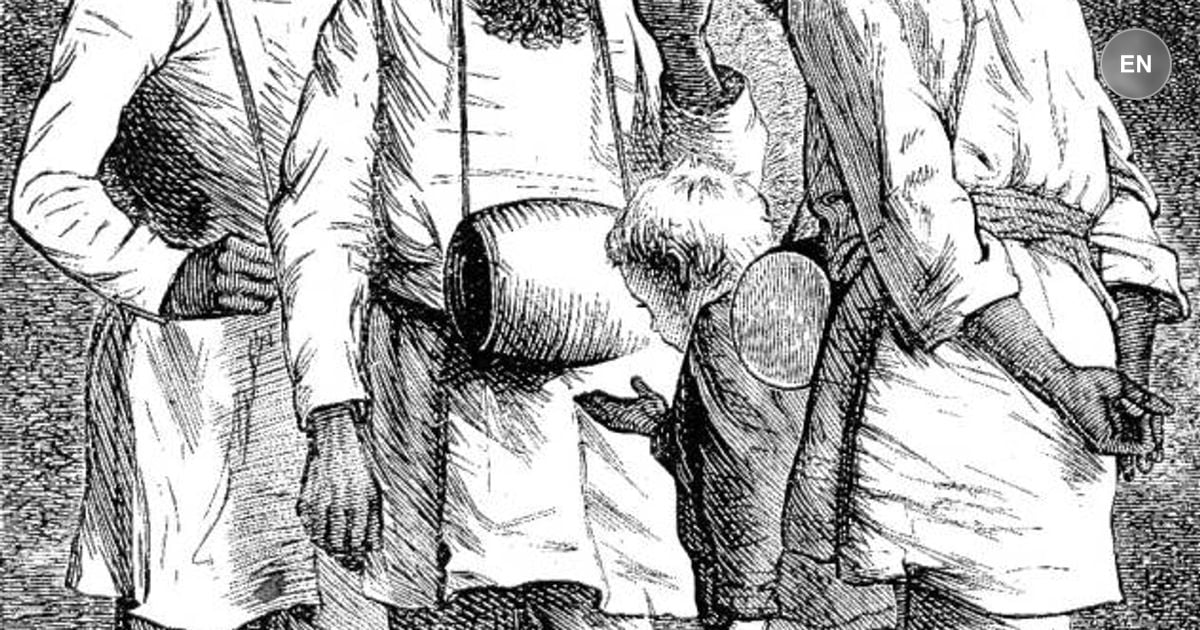
Betteredge opens by announcing a deliberate narrative pause, warning readers that the weeks between Franklin Blake's arrival and Rachel's birthday were largely uneventful, and that he will skip ahead selectively rather than bore anyone with empty days. This editorial honesty sets the chapter's tone: a careful, watchful calm before something momentous. The first significant turn involves the Indian jugglers. After Betteredge shows Franklin the bottle of scented ink left behind during the nighttime intrusion, Franklin explains that the men were attempting clairvoyance, using a boy as a supernatural instrument to locate the Moonstone inside the house. Franklin predicts the jugglers will return only if their method failed to reveal where the diamond now sits. But the return visit never comes. Whether the Indians learned through ordinary gossip that Franklin had deposited the stone at the Frizinghall bank, or whether their boy genuinely perceived it there through some inexplicable means, or whether chance alone kept them away, Betteredge cannot say.
The threat dissolves without resolution, leaving a residue of unease beneath the surface quiet. The second turn is domestic and almost comic. On the twenty-ninth, Franklin and Rachel throw themselves into decorative painting, covering the inside of her sitting-room door with griffins, flowers, cupids, and birds copied from Italian designs. Betteredge seizes the occasion for a lengthy digression on the peculiar miseries of upper-class idleness, cataloguing the ways wealthy people torture insects, dissect flowers, and generally make a mess of their households in the name of intellectual improvement. His argument is pointed: working people, forced to use their hands and heads for survival, are spared this particular form of self-inflicted suffering. Franklin and Rachel, he concedes, at least confined their damage to one door rather than to living creatures. The third turn is character revelation.
Betteredge pauses to introduce Rachel properly, describing her dark hair, warm complexion, upright bearing, and clear voice with evident admiration. More importantly, he identifies the quality that will matter most to the plot: her radical independence. Rachel judges for herself, confides in no one, never asks advice, and pursues her own course whether the matter is trivial or serious. Her mother's summary is precise: Rachel's best friend and worst enemy are one and the same person, Rachel herself. Yet Betteredge insists this self-will coexists with absolute honesty. She will refuse to answer a question, but she will never lie about it.
The fourth turn introduces romantic complication. The servants speculate freely about a match between Franklin and Rachel, and Franklin's feelings are obvious to anyone watching. But Betteredge signals doubt about Rachel's side of the equation. On June twelfth, Lady Verinder sends an invitation to a second cousin, Godfrey Ablewhite, a London gentleman whose family connection runs through a branch of the family that married beneath its station. Betteredge believes Rachel's private affections may already belong to Godfrey rather than Franklin, and this arrival sets up a triangle that will press against the coming crisis of the birthday night. The chapter closes with the household poised on the eve of the twenty-first of June, every element quietly loaded.
Collins understood something crucial about human attention: we're drawn to obvious conflicts while missing subtle threats. In this chapter, everyone watches the romantic triangle while real danger develops unnoticed. This pattern repeats endlessly in modern life. Workplaces focus on personality conflicts between vocal employees while systematic problems fester. Families argue about surface issues while avoiding deeper dysfunction. Communities get distracted by political theater while infrastructure crumbles. The most dangerous people often aren't the ones making noise - they're the quiet ones whose behavior has changed in ways that make you uncomfortable but you can't quite articulate why. Collins shows us that survival often depends on our ability to step back from obvious drama and ask what we're not seeing. The servants gossip about romance while missing that someone's behavior toward Franklin has become obsessive. They worry about disappeared jugglers while ignoring that the real threat might already be inside the house. This isn't paranoia - it's pattern recognition. When everyone's looking in one direction, that's exactly when you need to check what's happening behind you.
Explore this chapter with AI to uncover deeper meaning and practical takeaways.
AI Discussion