LIVE
OCD← Home
The Moonstone cover
1868
The Moonstone
Wilkie Collins · The Diamond's Dark History Revealed
Chapter 5
Ch. 4
Reading
Ch. 5
Ch. 6
Loading audio...
0:000:00

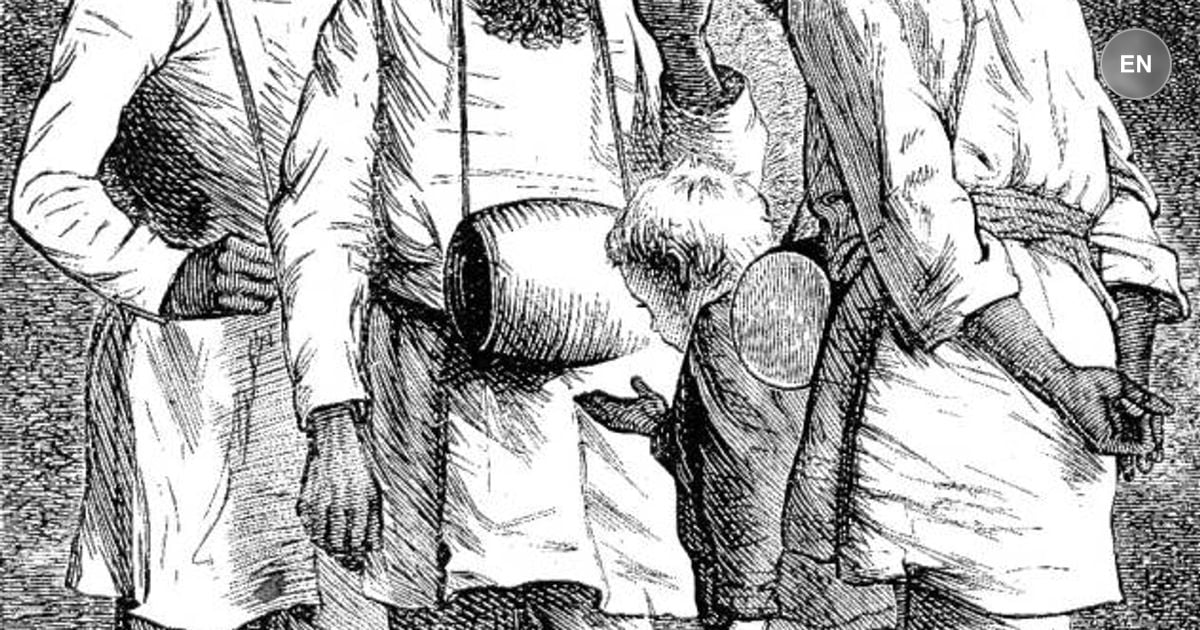
Franklin Blake arrives hours early, having slipped a dark-looking stranger who had followed him in London for three or four days. He already knows about the three Indian jugglers who visited the house, because Penelope told him at the door. He asks Betteredge to stay on the Shivering Sand. Then he pulls a sealed parcel from his pocket and repeats two of the jugglers' questions: is it on the road to this house that the English gentleman will travel, and has he got It about him. It is Colonel Herncastle's diamond, left as a birthday present to Rachel, now in Franklin's charge as his father's executor.

Betteredge can hardly believe Franklin's father would have touched the Colonel with a pair of tongs. He tells the history. John Herncastle came back from India with a jewel he would neither sell nor show, a character that closed every family door, and a reputation for opium, chemistry, and the lowest slums of London. Two years earlier he appeared uninvited on Rachel's birthday and was turned away on Lady Verinder's orders. Betteredge softened the message. The Colonel laughed into himself, said he would remember the niece's birthday, and walked out.

A clergyman later wrote that the Colonel died forgiven and edifying. Betteredge does not believe it. He is persuaded the last abominable act was to take the clergyman in. Franklin names three questions: was the diamond the object of a conspiracy in India, has that conspiracy followed it to England, and did the Colonel know, and leave a legacy of trouble through an innocent child. Betteredge, frightened in his stomach on the Sand, wants a pipe and Robinson Crusoe.

Amplified Discussion
Why Do Toxic People Save Their Worst for Last?

Colonel Herncastle couldn't hurt his family while alive because they'd cut him off completely. But death gave him the perfect weapon: the appearance of reconciliation paired with actual revenge. This pattern repeats constantly in working-class families where dysfunction runs deep but family loyalty runs deeper. The abusive parent who leaves their house to the child who went no-contact, forcing unwanted interaction with enabling siblings. The gambling addict uncle who names his responsible niece as executor, ensuring she'll spend years cleaning up his financial chaos. The toxic family member who includes you in their will specifically because they know it will create drama among relatives who expected to inherit. These aren't acts of love, they're final acts of control. The person gets to look generous while creating maximum disruption. They escape consequences by being dead while their victims deal with the fallout. Death becomes the ultimate manipulation because you can't confront a corpse or demand they clean up their own mess. The key is recognizing that genuine reconciliation happens through conversation and accountability, not surprise inheritances. When someone who hurt you suddenly becomes generous after years of silence, ask yourself: what does this really cost me, and what drama will this create? Sometimes the most loving thing you can do for yourself and your family is to refuse a toxic person's final gift.

Explore this chapter with AI to uncover deeper meaning and practical takeaways.

AI Discussion
Why it matters

Detecting Weaponized Generosity

A gift from someone who spent a lifetime being refused can be its own kind of threat. Franklin reveals he's carrying his late uncle Colonel Herncastle's cursed Moonstone diamond as Rachel's birthday present, and Betteredge's account of the Colonel's deathbed 'forgiveness' convinces Franklin the old man may have known exactly what danger he was leaving behind. This week, notice when a peace offering from someone who wronged you is less about generosity than about unfinished business.

Lessons

PracticeThis week, notice when gifts or favors from problematic people come with emotional strings attached, practice saying 'thank you, but no' to offers that feel manipulative.

Psych reading

The Toxic Inheritance

When someone uses their legacy or final acts to inflict damage on those who held them accountable for their behavior.

In the mind

Some people weaponize their legacy. Colonel Herncastle couldn't hurt his family while alive, they'd cut him off for his crimes. So he waited until death to strike. The Moonstone isn't a gift; it's a curse disguised as generosity. He knew the diamond carried danger, knew it would bring violence to Rachel's doorstep, and gave it anyway. This is the pattern of toxic inheritance: when someone uses their final act to inflict maximum damage on those who rejected them. The mechanism is simple but devastating.

The toxic person feels justified because they've been 'wronged', excluded, criticized, or held accountable. They can't accept that their behavior caused the rejection, so they reframe it as persecution. Death becomes their ultimate weapon because it prevents retaliation or confrontation. They craft their revenge as apparent kindness, making it nearly impossible to refuse without seeming ungrateful. The Colonel's deathbed 'conversion' provides perfect cover, who questions a dying man's final gesture? This pattern appears everywhere today.

The abusive parent who leaves their house to the child who went no-contact, knowing it will force unwanted interaction with enabling siblings. The toxic boss who recommends you for a promotion to a department they know is dysfunctional. The manipulative ex who sends expensive gifts to your children, forcing you to either accept their intrusion or look like the bad guy. The family member who names you executor of their chaotic estate, ensuring you'll spend years cleaning up their mess. When someone offers you something that feels too good to be true from someone who's hurt you before, pause. Ask: What does this cost me beyond money?

What strings are attached? What drama will this create? Sometimes the kindest gift is the one that comes with no emotional debt. Trust your instincts about timing, genuine reconciliation happens through conversation, not surprise inheritances. If someone wants to make amends, they do it while alive and able to face the consequences. When you can spot toxic inheritance disguised as generosity, you protect yourself from becoming collateral damage in someone else's revenge fantasy.

Find the right chapter

Each mood maps to a life skill. Each skill connects to the patterns in classic literature.

😔How do you feel😊

Personalize your match

Optional—life stage, what you need today, and what you're navigating help us pick chapters that fit—not generic lists. You may also freeform using the feeling search below.

Sign in to save your profile

Choices stay on this device until you sign in.

Browse the Full Library
4,582Chapters
118+Books
86Authors