
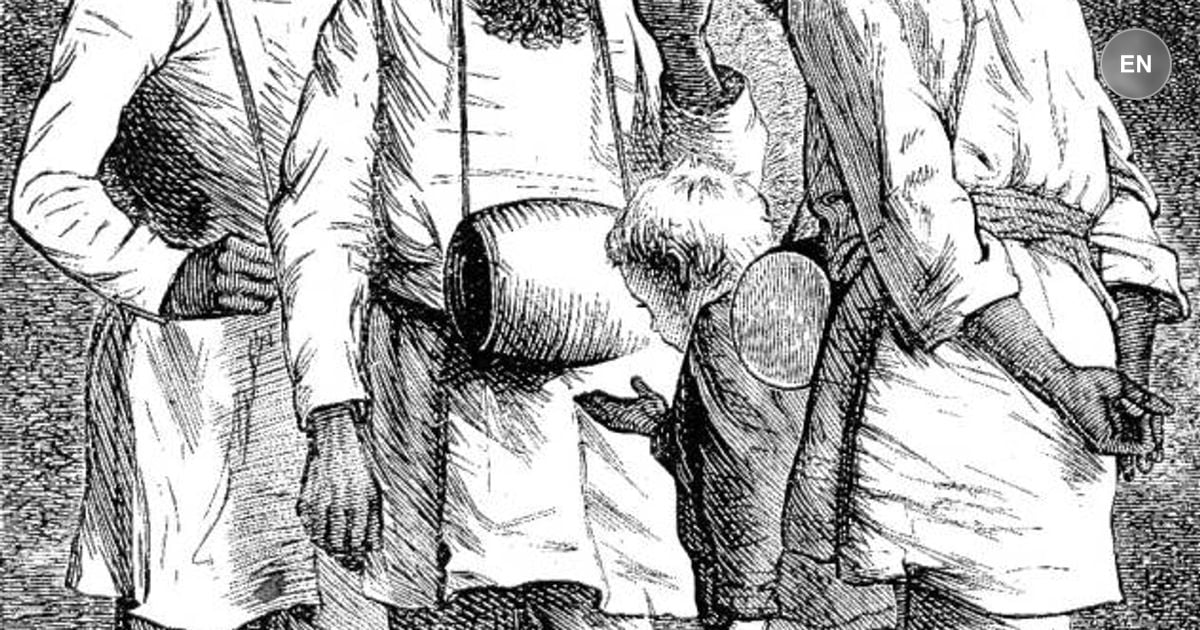
Betteredge goes to fetch Rosanna Spearman, the second housemaid, who is late for dinner. We learn Rosanna's backstory, she's a former thief whom Lady Verinder rescued from a reformatory and gave a second chance. Despite being treated fairly, Rosanna remains isolated from the other servants, who sense something different about her. She's drawn obsessively to a dangerous place called the Shivering Sand, a quicksand that moves with the tide.
When Betteredge finds her there crying, she reveals her deep loneliness and guilt. She feels like a stain that can never truly be cleaned, the mark of her past always shows, no matter how much kindness she receives. The quicksand fascinates her because it mirrors her own sense of being trapped and sinking. Their conversation is interrupted by the unexpected early arrival of Franklin Blake, Lady Verinder's nephew.
Rosanna's reaction to seeing him is dramatic, she blushes deeply and flees in confusion. Franklin notices her odd behavior but neither he nor Betteredge understands its significance. The scene sets up Rosanna as a tragic figure caught between her criminal past and her desire for redemption, while introducing the mysterious attraction she immediately feels for Franklin, an attraction that will prove central to the mystery of the Moonstone.
Rosanna has everything she needs for a fresh start, a steady job, fair treatment, respect from her employer, yet she gravitates toward danger and isolation. This isn't ingratitude or self-pity; it's how shame rewrites reality. When you've been labeled 'criminal' or 'addict' or 'failure,' those labels become internal voices that whisper you don't deserve good things. The voice gets louder when life improves, creating a psychological undertow that pulls you back toward familiar pain. Today we see this everywhere: the person who got clean but won't apply for better jobs because 'they'll find out about my past.' The formerly incarcerated worker who eats lunch alone, assuming coworkers judge them. The parent with a DUI who avoids school events, certain other parents whisper about them. These aren't character flaws, they're predictable responses to carrying shame in a world that rarely models genuine redemption. The tragedy isn't that people make mistakes; it's that we've created a culture where mistakes become permanent identities. Understanding this pattern helps us recognize it in ourselves and others, offering patience where we might have offered judgment.
Explore this chapter with AI to uncover deeper meaning and practical takeaways.
AI Discussion