
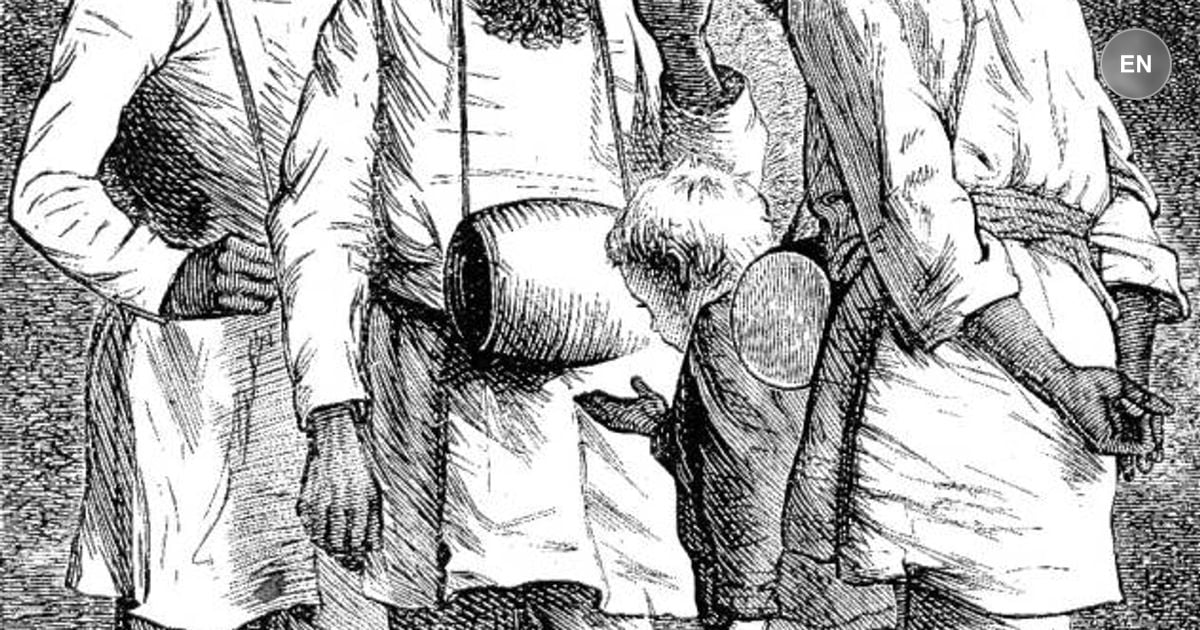
Gabriel Betteredge continues his roundabout approach to telling the story of the Diamond by diving deep into his own life history. He traces his journey from page-boy to the three Herncastle sisters, focusing on Miss Julia who becomes Lady Verinder. When Julia marries Sir John Verinder, Gabriel follows her to their estate, where he rises from servant to bailiff through Lady Verinder's support and his own competence. Gabriel's marriage to his housekeeper Selina Goby reveals his practical, if unromantic, approach to life, he marries her partly for economic reasons, viewing it as cheaper than paying her wages.
Their marriage proves neither happy nor miserable, just awkwardly incompatible until Selina's death leaves Gabriel raising his daughter Penelope alone. Years later, Lady Verinder gently forces Gabriel into semi-retirement, promoting him from outdoor bailiff to indoor steward. When facing this difficult decision, Gabriel turns to his beloved copy of Robinson Crusoe for guidance, finding comfort in the book's wisdom about changing perspectives.
The chapter ends with Gabriel's daughter Penelope pointing out that he's still not telling the story he was asked to tell, the story of the Diamond, but rather getting lost in his own autobiography. This moment of self-awareness shows Gabriel's humanity and the challenge of staying focused when personal history keeps intruding. His reliance on Robinson Crusoe as a source of practical wisdom reveals how ordinary people can find profound guidance in unexpected places.
Gabriel Betteredge's story reveals a truth about human nature: we often mistake routine for progress and comfort for contentment. His marriage to Selina for economic reasons, his acceptance of promotion without questioning if it serves his growth, his reliance on Robinson Crusoe instead of developing his own judgment, these aren't character flaws, they're survival strategies that outlived their usefulness. In working-class communities, this pattern runs especially deep. When resources are scarce, choosing security over risk makes perfect sense. Your parents might have worked the same job for thirty years, and that stability fed the family. But what served one generation can trap the next. The factory job that provided security for your father might be the dead-end that suffocates your potential. The relationship that offers financial stability might slowly erode your sense of self. Gabriel's comfortable drift into a life that happened TO him rather than one he actively shaped mirrors what happens when we stop asking hard questions about our choices. The venue job feels safe to Rachel because it's familiar, but familiarity isn't the same as fulfillment. Recognition is the first step toward change. When you can name the pattern of comfortable drift, you can start making conscious choices about which security is worth preserving and which comfort is actually holding you back.
Explore this chapter with AI to uncover deeper meaning and practical takeaways.
AI Discussion