
Gabriel Betteredge, house steward at Lady Verinder's Yorkshire estate, is asked by her nephew Franklin Blake to write the first account of a stolen Indian diamond. Innocent people have already suffered suspicion, Franklin says, and the family lawyer Mr Bruff wants a written record before memories fade. The plan is that everyone concerned will write in turn, as far as personal experience extends and no farther. Betteredge is to start with how the diamond reached the house two years earlier and vanished within twelve hours. Franklin already has an old family paper for the Indian preface. What happened in Yorkshire is Betteredge's to tell.
He modestly claims he is unequal to the task while privately believing he can do it if he only gives his abilities a fair chance. Franklin sees the private sentiment in his face, declines to believe the modesty, and will not let him refuse. Two hours after Franklin leaves, Betteredge sits at his writing-desk, helpless. The day before, he had opened Robinson Crusoe at a warning about beginning a work before counting the cost, and before judging whether you have the strength to go through with it. If that is not prophecy, he asks, what is?
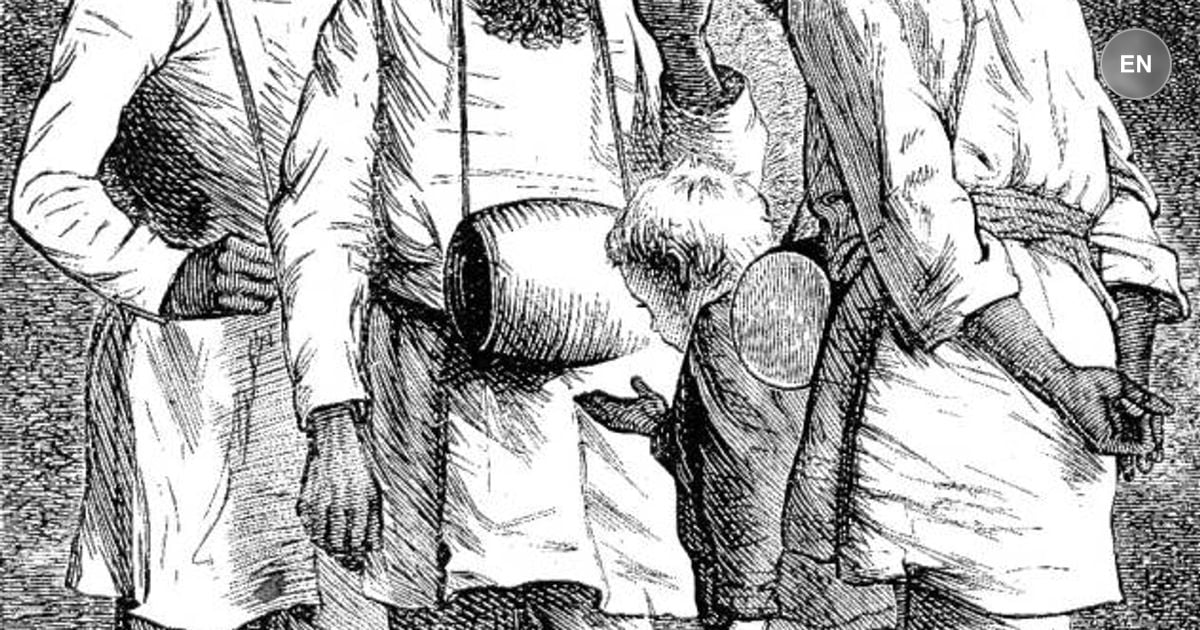
He is not superstitious, he says. He has read a heap of books. Turned seventy, he still has an active memory and legs to match. He has worn out six copies of Robinson Crusoe and received a seventh on his mistress's last birthday, bound in blue, with a picture into the bargain. He consults it for bad spirits, advice, marital trouble, and drink. He knows this still does not look like starting the story of the Diamond. He seems to be wandering off in search of Lord knows what. He takes a new sheet, with his best respects, and prepares to begin again.
Gabriel Betteredge turns to Robinson Crusoe not because it teaches him how to write, but because it steadies his nerves. He's worn out six copies of this book, consulting it for everything from bad weather to marital disputes. This isn't superstition, it's emotional regulation. Betteredge has found something that consistently helps him think clearly under pressure. In working-class life, we often dismiss these comfort objects as childish or unprofessional. The factory worker who keeps his grandfather's pocket watch. The nurse who touches her cross before difficult procedures. The teacher who rereads the same motivational quote before parent conferences. We're taught that 'real' professionals don't need these crutches. But Collins shows us something different: Betteredge's relationship with his book isn't weakness, it's wisdom. He knows what grounds him, and he uses it deliberately. The key is that he doesn't hide behind the book, he uses it to build courage for action. There's a difference between avoidance and preparation. When you know what steadies you, you can face bigger challenges. The question isn't whether you need something to lean on, but whether you're using it to avoid responsibility or to gather strength for it.
Explore this chapter with AI to uncover deeper meaning and practical takeaways.
AI Discussion