
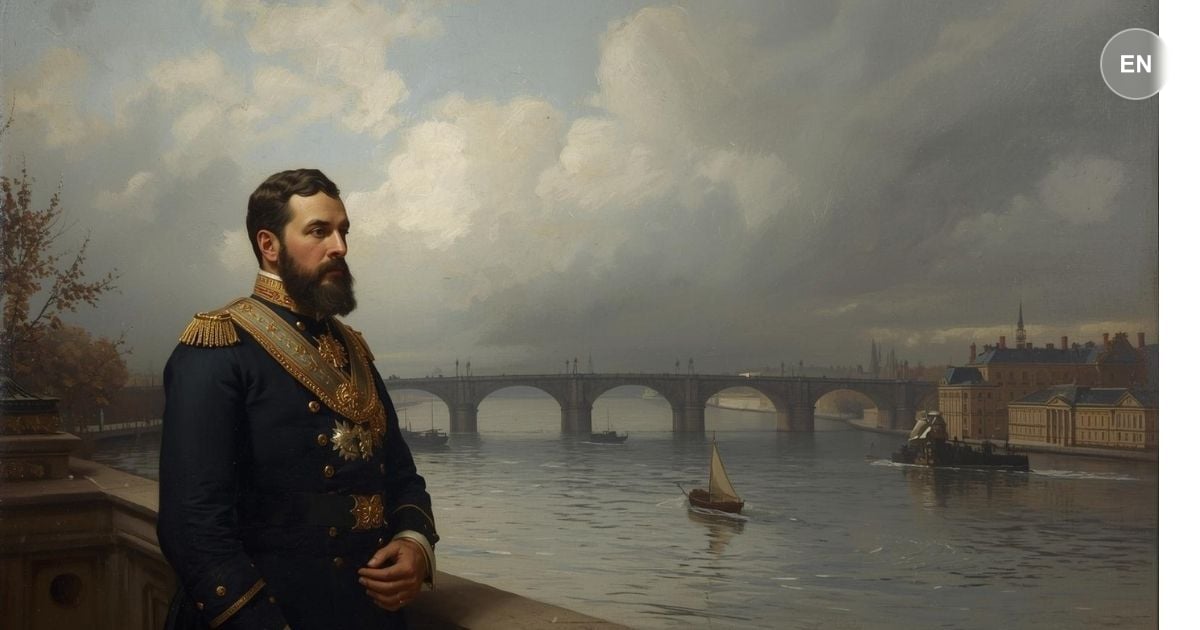
The prince says he has no special business, and the general cannot hear it. He nearly smiles, thinks better of it, and waits for the real object. The prince came straight from the station, from Switzerland, to make an acquaintance. That is the whole motive. The general talks of times, arrangements, and what they can have in common. The prince laughs, rises, and offers to go, as if the strain were not in the room at all. The face has no unpleasant feeling in it. The general pauses, sees the visit from a new side, and asks him to wait. Elizabetha Prokofievna might like a peep at a man of her own name.
The questions come fast after that. Has he means? Has he talents that bring bread? He has a few copecks, no post, and a wish to work. He was an orphan. Pavlicheff sent him to Schneider. The fits were so frequent they made almost an idiot of him, he says the word himself, and Schneider paid after the patron died. The general is astonished he has no one in Russia, then delighted by a sheet of thick paper. The prince has written, in medieval letters, The gentle Abbot Pafnute signed this. He talks of round French a's, of War Office zeal, of a flourish that needs taste. On the same desk Gania has just laid a photograph. Nastasya Filippovna, in black silk, proud and a little pale. She has promised a yes or no tonight, on her birthday. Gania's face goes paler than ever. He murmurs that he desires the match, and lowers his eyes.
The prince looks at the picture with warmth and tells the train story: Rogozhin, the earrings, a million coming by evening. Gania calls it humbug and still asks how the man struck him. The prince says the passion did not look healthy. The general hears scandal in the air and presses Gania to be agreeable tonight. Then he remembers the prince has heard every word, glances once, and is easy. In that quarter there is nothing to fear. He praises the writing, promises a small post, lodging with Gania's mother, and twenty-five roubles to begin. He is not without his object, he says, and the prince shall know it in good time. Four times the prince tries to name the one matter he came to ask. The general is already late.
They are left with the portrait and a cigarette. Gania asks if the prince admires that sort of woman, and whether he would marry her. The prince cannot marry; he is an invalid. Would Rogozhin marry her? Why not, the prince says. He would marry her tomorrow, and murder her in a week. Gania gives such a shudder the prince almost cries out. A footman is already at the door. Her excellency begs the prince's presence. The general is already easy about what that face overheard. Gania's shudder is still in the room.
Prince Myshkin's authenticity unsettles everyone he meets, just like that coworker who actually says what they think in meetings while everyone else plays politics. Dostoevsky wrote this during Russia's rapid modernization, when old aristocratic values clashed with new capitalist thinking. The same tension exists today in workplaces where human connection battles corporate efficiency. When someone refuses to play the game - asking for genuine connection instead of networking, giving real feedback instead of managing up - they expose how artificial everyone else's interactions have become. This makes people deeply uncomfortable because it reveals their own compromises. The General wants to dismiss Myshkin as naive, but can't ignore his genuine care. Gania knows the marriage arrangement is wrong but can't admit it because his family needs the money. Today's version might be the nurse who prioritizes patient care over productivity metrics, or the retail worker who gives honest product advice instead of pushing sales targets. These people aren't naive - they're choosing to operate from a different value system. Their presence forces others to confront whether they're living authentically or just managing impressions. The question becomes: when you encounter someone operating from pure motives, does it inspire you or threaten you?
Explore this chapter with AI to uncover deeper meaning and practical takeaways.
AI Discussion