
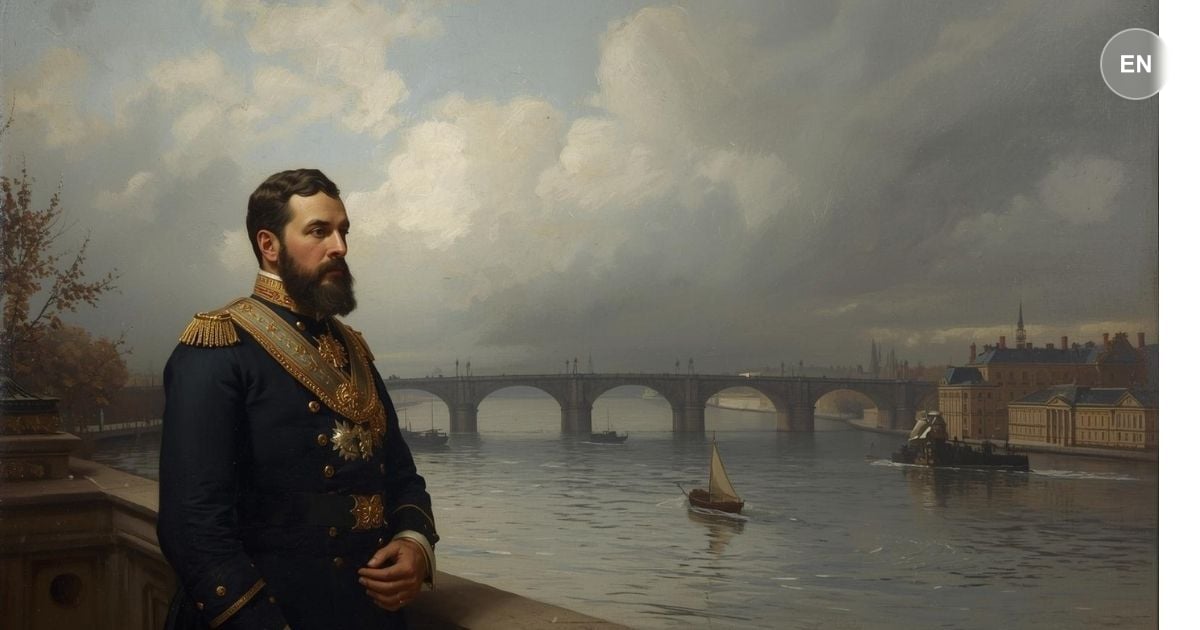
Totski is less frightened of a knife at the altar than of looking ridiculous, and that fear is what the seventy-five thousand roubles are paying for. He calls the sum an easing of conscience, not payment for a ruined girlhood. He still needs her to marry someone, so the words will have a guarantee attached. The Epanchin lunch table is already laid for that kind of smoothness. The three daughters eat without shame. Their mother empties her temper on a well-disciplined husband, and the house calls the result harmony. This morning her look bodes ill. He kisses her hands on time anyway.
The narrator leaves the dining-room to explain why. Totski, rich and fifty-five, wants a respectable wife and has asked the general's counsel. Alexandra might listen. The girls have been allowed to wait, because the family's weight grows each year, except that Alexandra is already twenty-five and a dissonant fact has been waiting eighteen years. After a fire killed her mother and her father went mad, Totski took the Barashkoff children in the kindness of his heart. One girl died. The other, Nastasya, grew beautiful on his estate. He moved her to a fresh little house with a library, a lap-dog, and summers of his company. When she heard he meant to marry, she came to Petersburg alone and laughed in his face. She felt loathing, she said, and it was her turn to laugh.
He could have sent her away by law. He did not trust the law to hold her. She valued nothing, herself least of all, and she knew where to make a respectable man look absurd. So he housed her in the city, invited princes and poets, and still could not buy a heart. Now he and the general ask her to free him by taking Gania, plus the seventy-five thousand. She hears them without the old hatred, accepts the money as compensation for a ruined life, not as a pardon she never asked for, and keeps the right to say no up to the hour of the wedding. The answer will come on her birthday.
Rumours move faster than the deal. Some say Gania is only marrying for money and means to take it out of her later. Some say the general himself is fascinated, and has pearls ready for that same night. Mrs. Epanchin has heard of the pearls. He had meant to plead business and cut the lunch. Then the prince turns up, as though Heaven had sent him on purpose. The general leaves the study to seek the wife of his bosom, hoping this one evening, of all evenings, can pass without a scene.
Dostoevsky exposes something chilling: how institutions provide perfect cover for predators. Totski doesn't just abuse Nastasia—he creates an entire social framework where his exploitation looks generous. He 'rescued' an orphan, 'educated' her, and now 'provides' for her future. Every step appears respectable to outsiders. This pattern thrives today in hospitals, schools, churches, and workplaces where hierarchy creates vulnerability. The department head who 'mentors' struggling employees while creating inappropriate dependencies. The supervisor who 'helps' with overtime while systematically isolating workers from union support. The administrator who 'advocates' for staff while using that access to control their careers. Each situation looks helpful from outside, but creates webs where victims can't escape without appearing ungrateful. The institution's reputation protects the predator—who would believe such a respected place enables abuse? Nastasia's awakening represents the moment victims recognise their power. She understands Totski's game and begins weaponizing the very system meant to control her. Her knowledge becomes leverage. Her beauty becomes a tool. Her unpredictability becomes her shield. The question isn't whether these dynamics exist in your workplace—they do. The question is whether you can recognise them before you're trapped, and whether you're building the documentation and outside support networks you'll need to navigate them safely.
Explore this chapter with AI to uncover deeper meaning and practical takeaways.
AI Discussion