
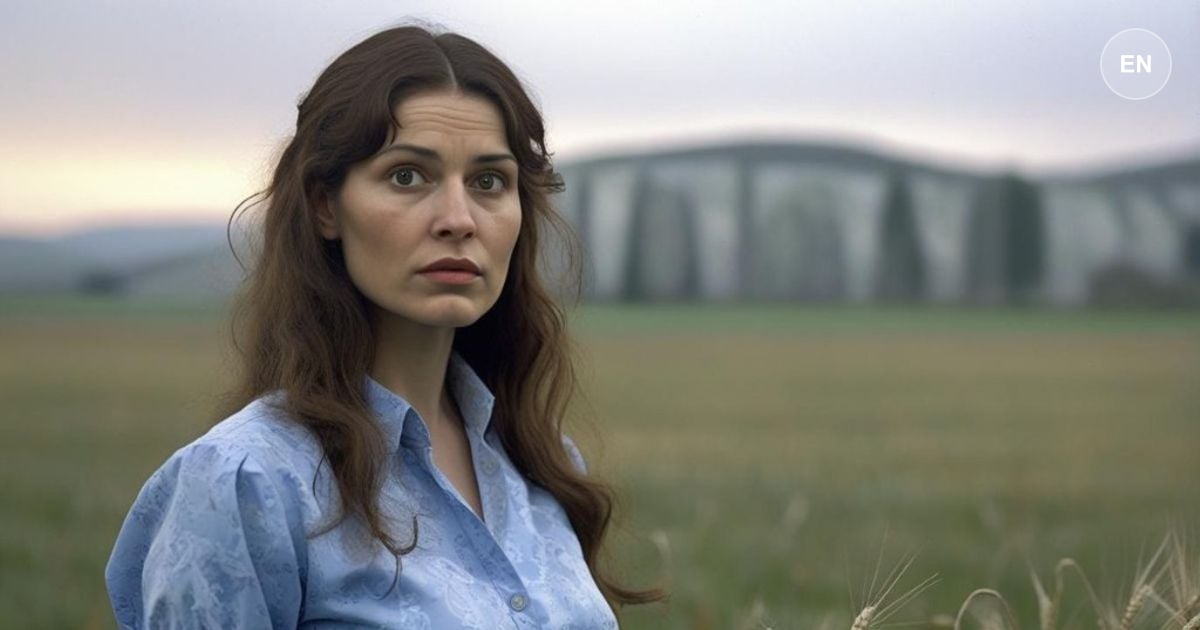
Another year's flowers and birds take their places at Talbothays, and Crick's maids and men live above want, below the line where manners begin to cramp feeling. Tess and Clare study each other on the edge of a passion, and so far out of it, converging as two streams converge in one vale. She has never been so happy, and perhaps never will be. To him she is still a fresh specimen, a philosopher's regard, not yet a question about his future or about her past.
They meet because the work meets them. Skimming starts a little past three, and Tess, newest in the house, is the one who can be trusted with the alarm. She runs to Crick's door, climbs the ladder to his room, and calls him in a whisper, then wakes the other maids. He is out in the damp before she is dressed. The rest turn back into the pillow. In that violet dawn they walk to the cows through a light that makes them feel like the first two awake in the world. Her face above the mist looks phosphorescent, a soul at large. He little thinks that the Magdalen might be at his side. He calls her Artemis and Demeter, names she does not understand and does not like. Call me Tess, she says, and he does. When the day strengthens she is no longer a figure who can confer bliss. She is a woman who wants it.
Dry islands in the dew show where the cows lay, and a winding trail leads to each of them. On thick mornings the meadows are a white sea, the trees rocks in it, and minute diamonds hang on Tess's eyelashes until the ordinary sun dries them off. Then she is the dairymaid again, and has to hold her own against the other women. Crick's voice comes in over the yard, sending old Deborah Fyander to the pump. If London knew her hands, he says, it would swallow the milk more mincingly than it does already. Mrs Crick drags the breakfast table out from the kitchen wall. The same scrape will send it back when the plates are cleared.
Hardy understood something we still struggle with today: genuine happiness often feels threatening because we know it won't last. Teresa experiences her first real joy at the dairy, but Hardy immediately warns us she 'possibly never would be so happy again.' This isn't pessimism - it's pattern recognition. Perfect moments are often borrowed time, existing in artificial conditions that can't be maintained forever. The dairy represents a middle ground between Teresa's traumatic past and an uncertain future, but middle grounds are temporary by nature. Today, we see this same pattern everywhere. The honeymoon phase of new relationships before real-world pressures intrude. The excitement of a new job before office politics emerge. The fresh start of moving somewhere new before familiar problems resurface. Public feeds amplifies this by showing us everyone else's borrowed time moments as if they're permanent realities. The key insight isn't to avoid happiness or become cynical about good times. Instead, it's learning to recognize when you're living in a protected bubble and using that time wisely. Extract what lessons you can, build skills that will transfer, document what's working so you can recreate elements later. Most importantly, don't make permanent life decisions based on temporary perfect conditions. The goal isn't to make happiness last forever - it's to make the most of it while it's here and build foundations that will support you when reality returns.
Explore this chapter with AI to uncover deeper meaning and practical takeaways.
AI Discussion