
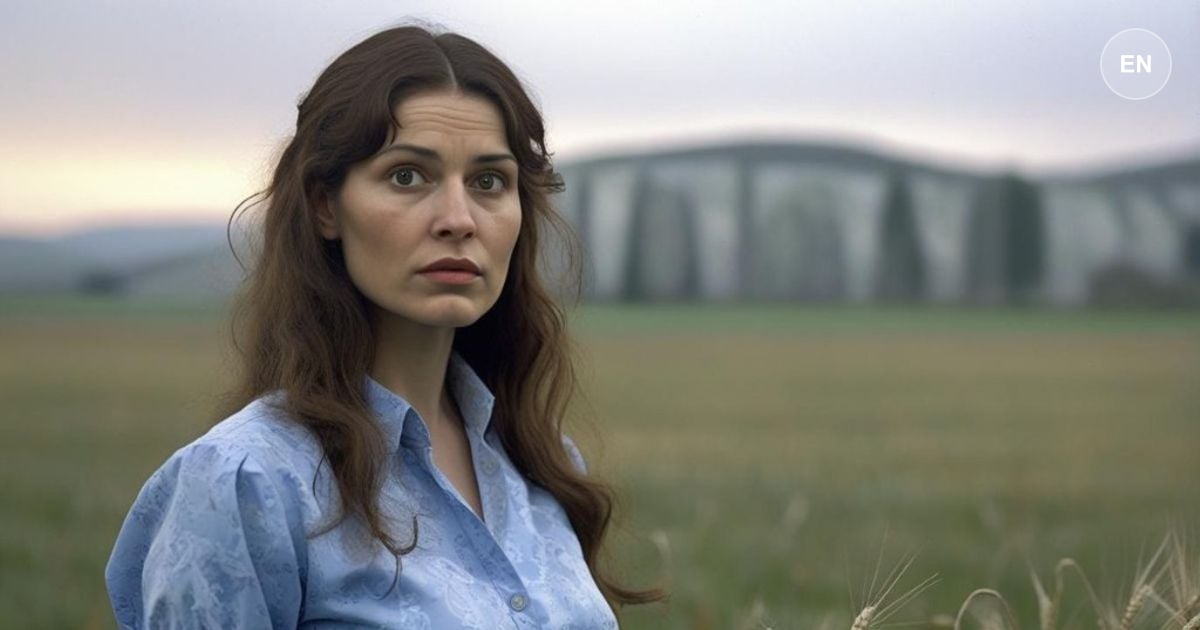
Angel Clare is a six months' pupil at Talbothays, the youngest son of the Reverend James Clare, a poor parson at the other end of the county. The other sons took degrees and orders. Angel did not. His father opened a bookseller's parcel one day and found a system of philosophy ordered by the son who was meant for the Church. Angel, called into the study, said he would rather not be ordained. He loved the Church as one loves a parent, and could not honestly sign her articles in the literal sense required. If his parents had stinted themselves to educate him, let it be for the honour and glory of man. To the vicar, Cambridge was a preface without a volume unless it led to the pulpit, and the money had been saved for that alone. Angel gave Cambridge up. He would not spend a trust he could not keep. Years of drifting followed, and a dislike of rank. In London a woman much older than himself carried him off his head, and he escaped not greatly the worse. Farming, once he knew it, promised a living that would leave his mind free. He boards with Crick for want of another lodging, paces a long attic over the cheese-loft, and keeps a harp he says, in a bitter humour, he may yet have to play in the streets.
Meals downstairs undo the farm labourer he had expected, the newspaper dummy called Hodge. At close quarters the household becomes particular people, not a type. Mrs Crick, thinking him too genteel for their table, sets his breakfast on a flap in the chimney-corner. For several days after Tess arrives he barely knows she is in the room. The other maids talk so much, and he misses particulars. A sheet of music rolls to the hearth. Flame, hooks, and kettle seem to keep the tune in his head, and under them a fluty voice. It must be the new one.
She is saying that she does not know about ghosts, but that a soul can go outside the body while one is alive: lie on the grass, fix on a bright star, and you are hundreds of miles away. Crick plants knife and fork like the start of a gallows. Tess flushes and calls it only a fancy. Clare watches her trace patterns on the cloth, the constraint of someone who knows she is watched. A fresh and virginal daughter of Nature, he says to himself. Something in her is familiar, a joyous time before the heavens went grey, a meeting on some ramble he cannot place. He is not greatly curious about where he saw her. It is enough that, when he wants a woman nearby to contemplate, he chooses her.
Angel Clare arrives at the dairy with educated assumptions about 'simple country folk,' but daily labor alongside them shatters his categories. This isn't a story about a privileged person learning to appreciate the working class, it's about the specific mechanism that creates genuine understanding: proximity plus shared struggle. When Angel's back aches from milking, when his hands crack from farm work, when he faces the same daily challenges as everyone else, his intellectual distance collapses. He can't maintain his assumptions when he's living the same reality. This pattern appears everywhere in modern workplaces. The hospital administrator who finally understands nursing after working a floor shift during COVID. The restaurant owner who grasps kitchen dynamics only after cooking during a staff shortage. The construction company executive who learns respect for trades after working a site. It's not about good intentions or diversity training, it's about shared vulnerability. When you're struggling with the same problems, facing the same pressures, depending on the same skills, artificial hierarchies become irrelevant. Hardy shows us that real connection requires getting your hands dirty, literally or figuratively. You can't understand someone's world by observing it, you have to enter it, struggle in it, let it change you. The question becomes: where in your life are you maintaining distance when you could choose proximity?
Explore this chapter with AI to uncover deeper meaning and practical takeaways.
AI Discussion