
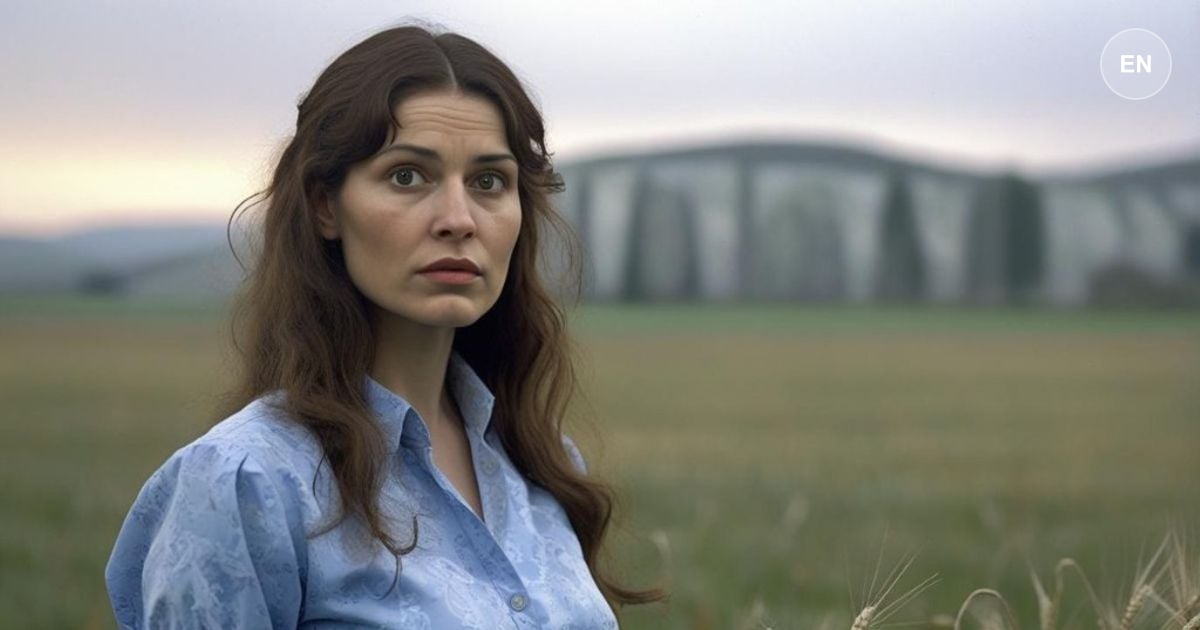
The maids are already at the cows when Tess comes into the barton, cheek to flank, looking along each animal at the newcomer. The men do not look up. Dairyman Crick is glad of a hand in a busy season. He asks after her mother as a form, then says an old woman once told him that a family of her name in Blackmoor came from these parts, an ancient race nearly gone. He took no notice of the rambling. Tess says it is nothing. He wants the cows milked clean, and wonders if she can stand a place that is not a cowcumber frame. She drinks a little from the pail, a habit he scorns, and takes a hard yielder to get her hand in. When the milk runs she feels she has laid a new foundation. Nearly a hundred milchers are in his care. For a while there is only the purr into the pails and the swing of tails.
The cows are holding back, and Jonathan Kail blames the new hand. Crick calls for a song, the dairy's cure, and tells of William Dewy of Mellstock, who fiddled a charging bull onto its knees with the Nativity hymn and vaulted the hedge before the beast saw it was not Christmas Eve. From behind a dun cow a voice answers that the tale is medieval, from when faith was a living thing. Nobody else catches the remark. The man stands up at last in a milker's pinner and clogged boots, and under them something educated, reserved, and sad. She remembers him. He is the stranger from the club-dance at Marlott, who danced with others and not with her, and went on with his friends. He shows no memory of her. The dread that he might learn her story passes when she sees that. One cow has already made his fingers ache. The maids, more generous, tell one another how pretty the new girl is.
He is absent at supper. She asks nothing, and takes her place in the long room over the milk-house. A wakeful girl in the next bed whispers the household into the dark. Mr Angel Clare, who is learning the work and who plays the harp, is a parson's son and too full of his own thoughts to notice girls. His father is the Reverend Mr Clare at Emminster, and every son is a parson except this one. Tess has heard of that earnest clergyman. She does not ask, tonight, why Angel was left out. She sleeps to the smell of cheeses and the drip of whey.
Hardy understood something we still struggle with today: the seductive power of believing we can outrun our problems by changing our zip code. Teresa arrives at Talbothays Dairy convinced that distance plus honest work equals a clean slate. The dairy represents everything she craves, peaceful rhythms, accepting people, meaningful labor. For a brief moment, it works. She feels like she's 'laying a new foundation.' Then Angel Clare appears, and her carefully constructed fresh start crumbles. This pattern repeats endlessly in modern life. We change jobs to escape difficult coworkers, only to find similar dynamics elsewhere. We move cities to escape our reputation, only to recreate the same relationship patterns. We switch churches, gyms, or friend groups, hoping external change will heal internal wounds. The problem isn't the desire for change, sometimes we absolutely need new environments. The problem is magical thinking about what change alone can accomplish. Real transformation requires addressing the internal patterns that created our problems. Teresa's trauma, her internalized shame, her lack of support systems, none of these disappear because she's milking cows instead of working in the fields. Geographic change works best when it supports internal growth, not when it substitutes for it. The most successful fresh starts combine external opportunity with internal healing work.
Explore this chapter with AI to uncover deeper meaning and practical takeaways.
AI Discussion