
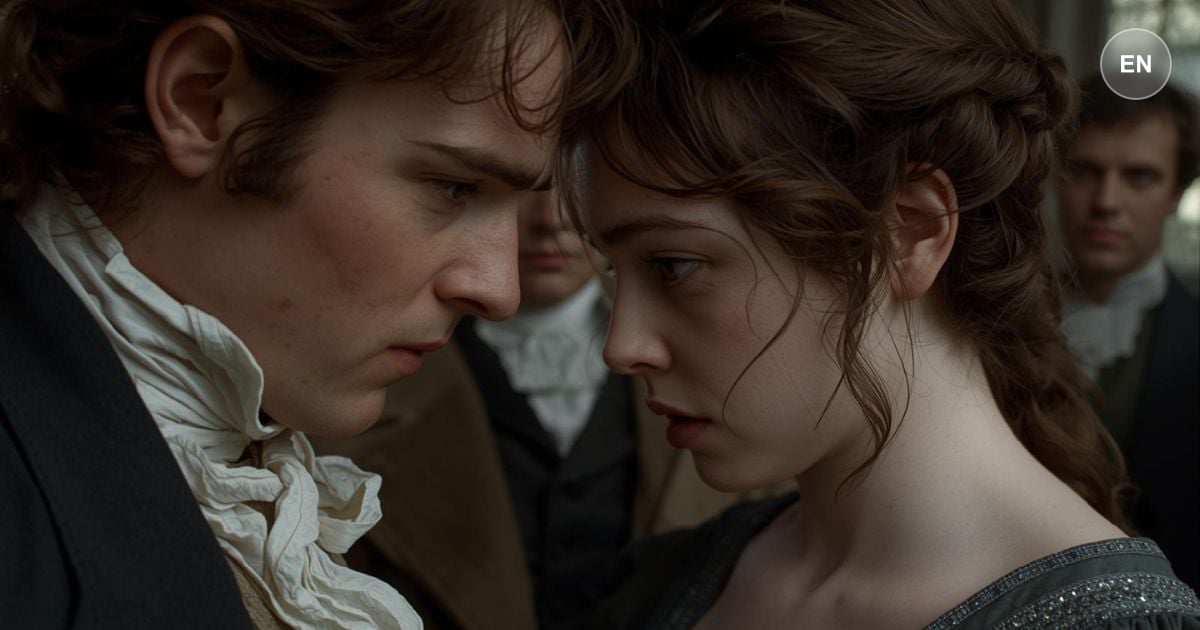
A proposal delivered as condescension can trigger total rejection, and both parties leave more certain and more wrong. At the parsonage Elizabeth re-reads Jane's cheerless letters to fuel her anger at Darcy after Fitzwilliam's revelation. She expects Colonel Fitzwilliam at the door, but Darcy enters, paces the room, and declares that in vain he has struggled: he ardently admires and loves her. His avowal dwells on her inferiority, the degradation of the connection, and family obstacles with a warmth that wounds rather than woos.
Elizabeth's first refusal is ironically formal; his assured countenance rouses her to fury. She names his interference in Jane and Bingley's happiness. He admits he did everything to separate them and rejoices in his success. She invokes Wickham's account; their exchange escalates through poverty, pride, and his contempt for her connections. Darcy defends his honest scruples against flattery; she tells him he was the last man in the world she could marry.
He leaves ashamed; she sits and cries half an hour, astonished that he loved her yet remained proud, cruel, and unfeeling about Jane and Wickham. Gratification that she inspired such affection briefly competes with outrage. Lady Catherine's carriage sends her to her room before she can face Charlotte's observation, leaving the reversal for his letter in the morning.
Chapter 34 is Austen's set-piece. Elizabeth courts her anger through Jane's letters; Darcy's visit is the opposite of Fitzwilliam's accidental disclosure, deliberate, agonized, catastrophic. The proposal speech is brilliant because Darcy is eloquent about the wrong things: inferiority, degradation, obstacles. Elizabeth's first refusal is ironically formal; the second is volcanic. Jane, Wickham, manners. Darcy's 'rejoice in my success' is the novel's moral low before the letter. His defense of honest scruples versus flattery explains his character even as it enrages. Her 'last man in the world' line is the complement to his opening struggle. The half-hour cry reintroduces complexity: gratification that he loved her, horror at his pride. The chapter ends with Lady Catherine's carriage, social world closing in before the letter opens.
Explore this chapter with AI to uncover deeper meaning and practical takeaways.
AI Discussion