
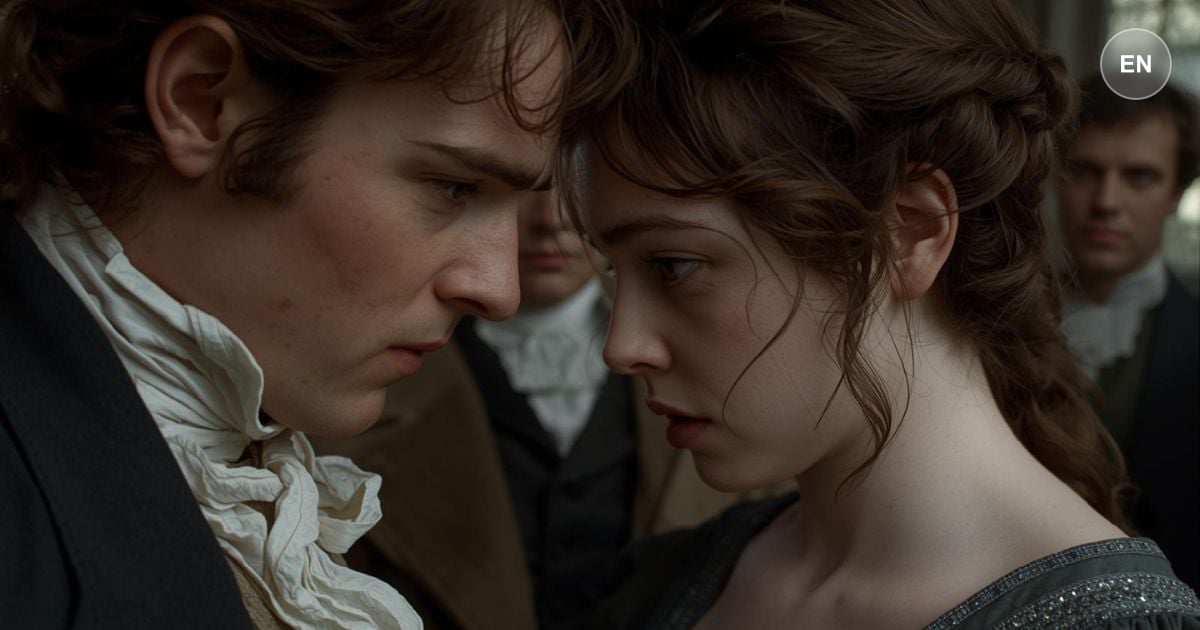
Elizabeth keeps meeting Mr. Darcy alone in the park at Hunsford, though she told him the grove was her favourite haunt. After a third encounter he walks back with her and asks odd questions about her pleasure at Hunsford, solitary walks, and the Collinses' happiness. When he speaks of Rosings as if she might stay there on a future visit, she wonders whether he means Colonel Fitzwilliam as a match and is glad to reach the parsonage gate.
Another day, reading Jane's unhappy letter, she meets Fitzwilliam instead. Their easy talk turns to Darcy's love of his own way and the younger son's need to marry with an eye to fortune. Fitzwilliam admits he cannot marry where he likes; Elizabeth colours, wondering if he means her. She jokes that Darcy keeps Bingley under his care, and Fitzwilliam, trying to explain Bingley's debt, blurts that Darcy congratulated himself on saving a friend from an imprudent marriage.
Elizabeth walks on in silence, then tells Fitzwilliam Darcy had no right to judge a friend's happiness. Alone she is certain he, not only Miss Bingley, broke Jane's match through pride, with strong objections really meaning uncles in trade and law. Tears and agitation bring a headache; she stays home from Rosings tea while Mr. Collins dreads Lady Catherine's displeasure.
Chapter 33 is the novel's hinge before the proposal. Darcy's park behaviour reads as pursuit, questions about her return to Rosings, possible Fitzwilliam match, while Fitzwilliam's walk delivers destruction. The younger-son exchange is witty cover for serious matter: marriage requires money. Elizabeth's dry Bingley line is bait; Fitzwilliam bites. The impropriety speech is famous: Elizabeth moves from public ethics to private agony, listing Jane's perfections against 'strong objections' that mean Gardiners and trade. She assigns primary blame to Darcy, not Caroline, essential for later letter and Pemberley. The headache and missed tea are physical plot. Austen makes the reader despise Darcy just before he offers his hand.
Explore this chapter with AI to uncover deeper meaning and practical takeaways.
AI Discussion