
Manila learns of San Diego through censored papers and convent whispers. Friars debate miters for Salvi; one orders Te Deum while another blames Jesuit schools, and capital politics feasts on provincial blood as if rebellion were a banquet held for promotions, and every friar imagines himself the hero who saved the colony.
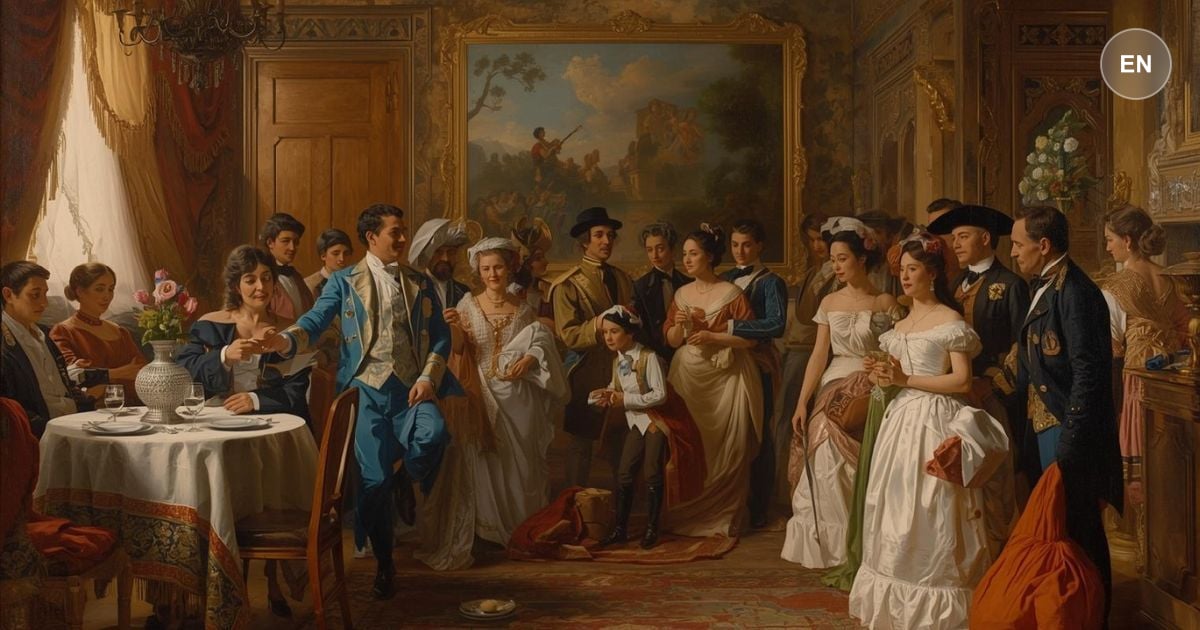
Capitan Tinong and Tinchang panic over a past dinner with Ibarra until cousin Primitivo burns letters, shotguns, and even Copernicus, then sends a thousand-peso ring to the Captain-General. At a reception, loyalty performances condemn all Indians; the one-armed man suspects guilt in the gift but accepts the performance anyway, knowing fear has no honest face, and Primitivo feeds the fire with maps of a moving earth, as if burning science could erase the memory of a dinner guest.
Soldiers invite Tinong to sleep in Fort Santiago anyway. Rizal's panic loyalty shows crisis making cowards sacrifice books, friends, and truth to buy imagined safety while the empire applauds its own terror and calls it order restored, and Tinong learns gold cannot buy sleep in a cell, proving loyalty performances never satisfy power, only postpone its appetite, while Tinchang faints at every knock on the door, certain every soldier wears her husband's guilt.
Rizal shows us something chilling: authoritarian systems don't need secret police when they can turn citizens into voluntary informants through fear. When Ibarra becomes dangerous to know, his former friends don't just avoid him - they compete to condemn him loudest. This isn't pure cowardice; it's strategic survival that destroys communities from within. The mechanism is elegant and brutal: create enough fear around association with the 'wrong' person, and people will police themselves. Capitan Tinong's wife doesn't just want safety - she wants to publicly prove their loyalty by throwing Ibarra under the bus. The Spanish colonials compete to show who can hate Filipinos most convincingly. This exact pattern plays out in modern workplaces, schools, and families. When someone gets fired for misconduct, watch how quickly their former allies avoid them and publicly distance themselves. During controversies, people don't stay neutral - they perform opposition to the 'wrong' side. In toxic families, when one member is scapegoated, others pile on to prove they're not the problem. The tragedy is that panic loyalty rarely protects anyone - Capitan Tinong loses his integrity and still gets arrested. Systems that demand loyalty through betrayal never reward it. The question becomes: what relationships won't you sacrifice for institutional approval?
Explore this chapter with AI to uncover deeper meaning and practical takeaways.
AI Discussion