
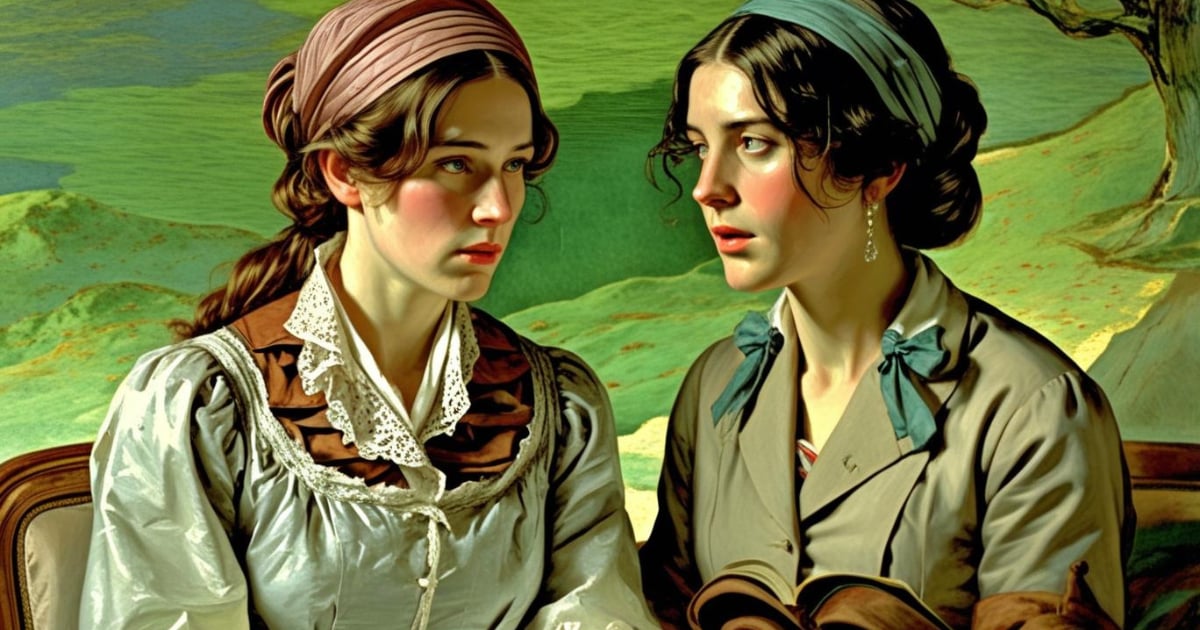
Harriet Bulstrode turns away Raffles at the Shrubs with Blucher's help, but Nicholas Bulstrode knows the visit is terror, not begging. At the Bank Raffles demands money, refuses to be seen off, and promises to return; Bulstrode's past rises with painful clarity: pawnbroker profits, hidden Dunkirk daughter, widowed fortune, and Will's mother cheated of inheritance while Sarah's line was concealed from the world that now trusts his piety, funds the hospital, and seats him on boards where his name means respectability.
Tormented between religious self-accounting and fear of exposure before Harriet and the town, Bulstrode writes Will Ladislaw to come at nine. He confesses that Will's grandmother became his wife, that the Dunkirk connection was buried, and offers five hundred a year plus future capital as amends without legal claim. Will, already stung by Raffles in the street and at the auction, asks if the fortune came from dishonorable trade in stolen goods and concealed kin.
Bulstrode admits yes and flares when judged; Will refuses the money, keeps his unblemished honour, and leaves Bulstrode weeping for the first open scorn from a man above Raffles's level, the first judgment he cannot buy off with quarterly payments or future capital promised in a whisper. The banker had hoped purchase might quiet conscience and bind the grandson he once cheated; the younger man insists gentlemanliness cannot be bought after the fact and that he will earn his bread without Bulstrode's name on the check.
The chapter is not yet Raffles's death or hospital board politics; it is attempted restitution meeting refusal in a private room at the Shrubs while the banker still hopes Providence may yet sanctify his survival. Bulstrode's egoism clothed in doctrine faces Will's pride in blood he did not choose, and Middlemarch's respectable center cracks before the scandal fully breaks into print and pulpit. Harriet knows only that her husband is shaken; Will walks out carrying refusal instead of annuity, and Bulstrode must face Raffles still at large while his prayers turn to chastisement again and Harriet wonders why her pious spouse cannot sleep or meet her eyes at breakfast.
Chapter LXI is Eliot's forensic psychology of Bulstrode: arguments that sanctify reception of stolen goods, then memory as reopened wound. Harriet's innocence heightens stakes. Will's cross-examination is brief and lethal. Bulstrode's tears are not repentance but injured supremacy meeting contempt. Raffles still lives; hospital board and death belong to later chapters. Dorothy should read LXI as the moral fuse: money cannot unring the hidden daughter. Will's Good-night, sir is the book's clearest refusal of purchased gentlemanliness.
Explore this chapter with AI to uncover deeper meaning and practical takeaways.
AI Discussion