
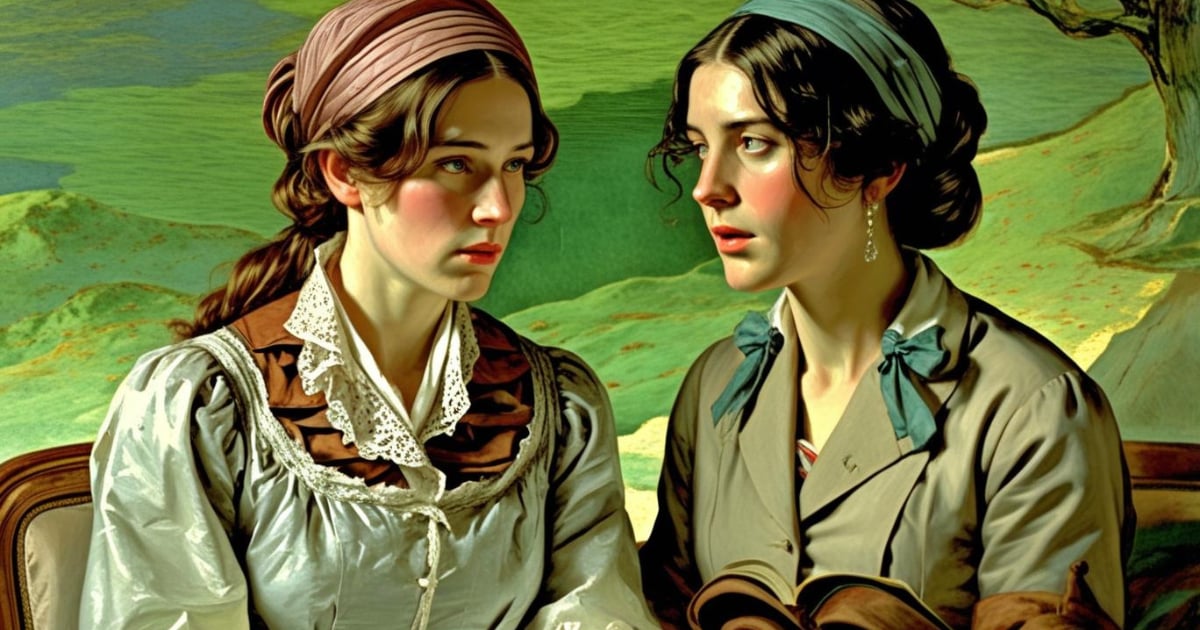
Will Ladislaw has not heard Casaubon's codicil; Parliament's dissolution and the dry election fill the air like fairground noise while Middlemarch treats reform as sport. He is busy coaching Mr. Brooke, though Dorothea's widowhood is always in his thought. When Lydgate mentions the Lowick living, Will answers waspishly that he never sees Mrs. Casaubon and will not go to Tory Freshitt. He notices Brooke now contrives to keep him from the Grange and concludes Dorothea's friends suspect him without cause.
At the brink of the chasm he says they are forever divided, yet unfed hope and election duty keep him. Brooke wavers on reform tactics; Will insists this is not a time for trimming. Mawmsey the grocer puts reform in a family light and votes his ledger while Middlemarch treats politics as parish sport.
On nomination day at the White Hart Brooke takes a second sherry, begins well on reform and the Bill, then an effigy and Bowyer's ventriloquial echo mock him through the Baltic, Chatham, and Blast your ideas, we want the Bill, until eggs spatter the rag portrait and the original while Will watches, helpless to save a patron he no longer respects. Brooke retreats amid laughter; the committee looks grim and Will watches a patron collapse into caricature.
Will resolves to quit the Pioneer and Brooke, then dreams of a career that could make him not seem to ask Dorothea to step down, yet he must stay until some sign passes between them. Brooke anticipates him, withdraws from the race citing his chest, and plans to hand the Pioneer to party men who may not value Will. Will refuses to be dismissed as ordinary and vows to stay on his own movements, not because they fear him, until some sign passes between him and Dorothea beyond Brooke's collapsing platform. Public humiliation frees him from a patron he despised serving, yet private hope keeps him in the town where codicil and conscience have not yet met and where Brooke's effigy still hangs in Middlemarch memory as reform's comic warning and as the day Will stopped believing in Brooke's greatness.
Chapter LI is Middlemarch comedy with teeth. Eliot's Pope couplets and Chaucer epigraph frame a farce that ends careers. Will's waspishness to Lydgate shows Dorothea under his skin; Brooke's sherry and schedules show why Ladislaw's brains are not enough. Bowyer and Hawley prove paltry fellows turn scales. Will's final vow to stay is noble and stubborn at once. Dorothy who tracks only the love plot misses how election dirt and newspaper ownership bind Will to town when he dreams of London dinners. The sign he waits for is already being written in a will he has not heard read.
Explore this chapter with AI to uncover deeper meaning and practical takeaways.
AI Discussion