
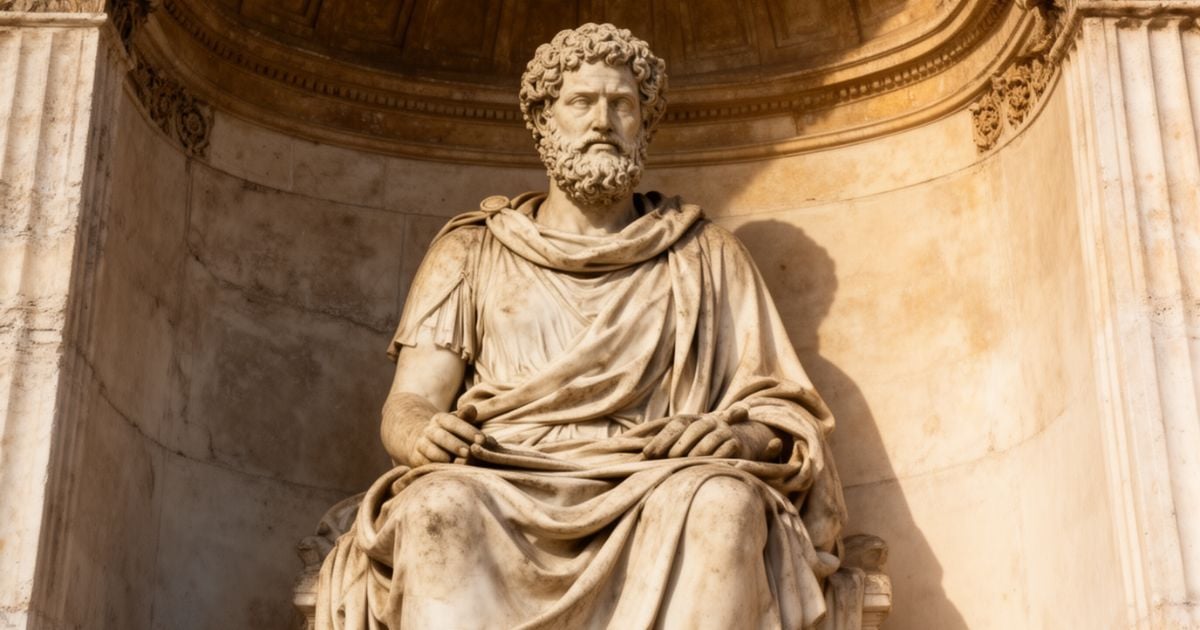
Marcus opens Book IX with a severe claim: to be unjust is to be impious. The universe made rational creatures for one another to help, more or less by person and occasion, but in no wise to hurt. Willing lies commit injustice; unwilling error still wars against truth when instinct for truth was neglected. The pleasure-chaser accuses nature when bad men prosper and good men suffer; fear of pain rejects what must eventually happen. Nature uses pleasure, pain, honour, death, and life indifferently; clinging to them as ultimate goods fights the current. Better to depart weary of vice than live long in wicked courses. Death is nature's operation like ripening, birth, or beard; living among contrary opinions may weary you until you pray death hurry before you forget yourself. Sin hurts the sinner; omission can be unjust too.
If present apprehension is right, action charitable, and disposition well pleased with what proceeds from God, that suffices. Wipe fancy, use deliberation, keep mind free. One reasonable soul divides among all; earthly things press to earth, fire rises, reason longs for its kind. Beasts flock, stars sympathize, yet humans alone forget natural affection. Teach better if you can; if not, bear patiently as mildness was granted for that use. The trouble you thought was outside lived in opinions within; cast it out from there before ease returns. Objects stand mute outside; understanding passes verdict. Virtue is in action, not passion. Another man's sin is his burden, not yours. Every age-change is a small death; Marcus finds no grief in them when recalled. Labour not for pity or admiration but as charity and mutual society require. Action must serve the common good or it is seditious like a factious citizen dividing the body.
Politicians swagger without changed opinions; imitate unaffected simplicity, not Alexander. From above, flocks, sacrifices, and nations shrink; fame is not worth the while. Accept what God causes; act justly what you cause, with no further end than doing good to others. Cut troubles born of mere conceit and opinion. Loss is change; change delights nature. Gold is earth's dregs, royal robes sheep's hair. Pray not to obtain lust or escape a person but not to lust and to bear them. Epicurus in sickness kept mind free while body suffered. Impudent men must exist; meet vice with nature's antidote. Good done needs no third reward; the eye does not ask payment for seeing.
Book IX is not abstract theology. Marcus is telling himself why betrayal and cruelty feel cosmically offensive: they violate the design that made rational creatures for mutual good.
Michael's hospital version shows the same pattern in secular form. When leaders lie, hoard, or sabotage for position, the harm is not only to patients or staff. It is to the cooperative order the institution requires to function at all.
Marcus does not stop at condemnation. He gives the usable moves: cast trouble out of opinion, teach or bear, pray for freedom from lust and fear, accept what God sends, do justly what you cause. Resistance without alignment becomes its own impiety.
Explore this chapter with AI to uncover deeper meaning and practical takeaways.
AI Discussion