
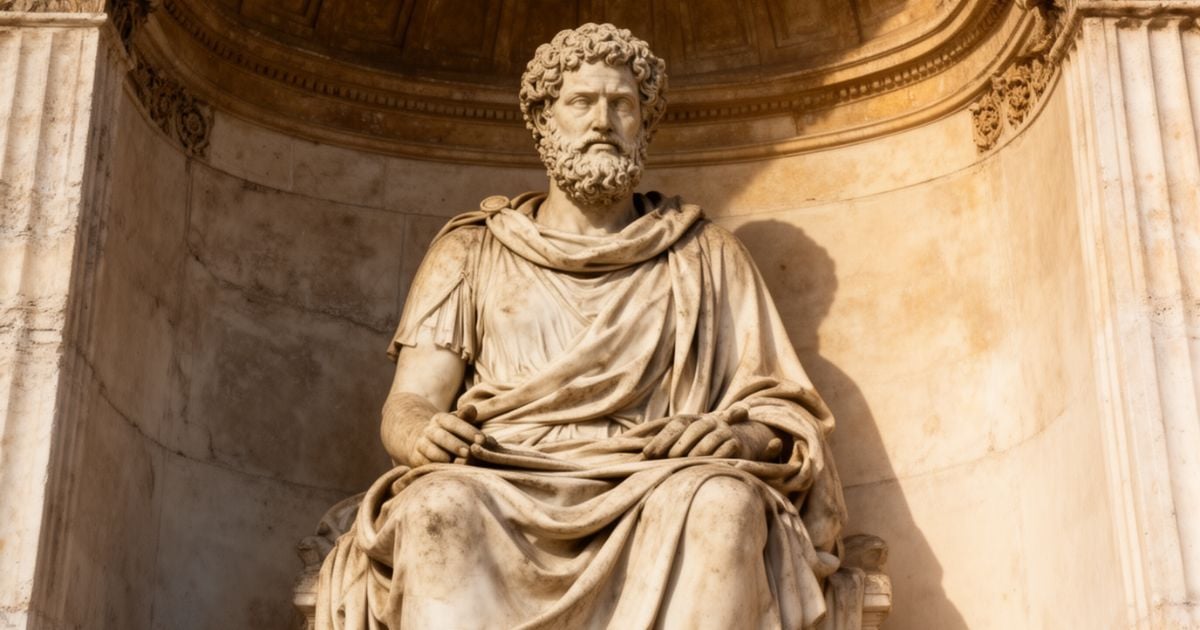
Soul, one day you may be good, simple, single, content with providence and fit for gods and men alike. Until then live as nature requires: first as sensible creature, then reasonable and sociable. What happens was appointed from the beginning; bear it by strength of opinion or be ended by it. Teach the offender with love; if you cannot, your will suffices. You are part of a universe whose parts cannot be truly harmed; what serves the whole cannot injure the part. Remember kindred to those of your kind; let common good steer every resolution. Give and take away with humble love, not stubborn pride.
Alteration is not injury; dissolution returns to generative seeds. Take the names good, modest, true and ship yourself from the old half-dead life as from a wreck. Toys at home, wars abroad, dogmata blotted by daily slavery: join action and contemplation. Spiders, hunters, and generals hunt prey alike; see the sameness. Fix a method to see all things change into one another; that begets magnanimity. Do justice and accept what God sends without troubling over praise or blame. Morning asks whether it matters who does the right deed if the deed itself is indifferent. He who follows reason in all things is slow yet quick, merry yet grave.
Stop disputing what a good man is and be one. Worldly grievers are like pigs at slaughter; reasonable souls may submit to providence. Children, applause, and curses are leaves on the tree. Anger at fate makes you fugitive from law. The mind alone passes through obstacles straight on like fire or a cylinder; nothing hurts the citizen that does not hurt the city. A good eye sees all colours, not only green; a sound understanding welcomes what happens. Even virtuous men have critics glad to see them go; die kindly anyway. Solitude is the same everywhere; hidden dogmata, not the body, are the man who acts. Remember the Gods often; become like them, not flatter them. Courts of Adrianus and Antoninus repeat one script with different actors. Happiness is hitting what reason aims at, not collecting applause.
Book X is unusually intimate. Marcus is not lecturing Rome; he is coaching the part of himself that keeps reaching for weather, favour, and applause.
Michael's version is the CEO who looks composed and still needs the board's tone to feel real. The soul-simplicity Marcus describes is not monkish withdrawal. It is freedom to do justice and accept providence without performing serenity for an audience.
The closing command is blunt: stop disputing goodness and be it. That is the whole pivot from title to character.
Explore this chapter with AI to uncover deeper meaning and practical takeaways.
AI Discussion