LIVE
OCD← Home
Gulliver's Travels cover
1726
Gulliver's Travels
Jonathan Swift · Mutiny and Strange New Creatures
Chapter 28
Ch. 27
Reading
Ch. 28
Ch. 29
Loading audio...
0:000:00

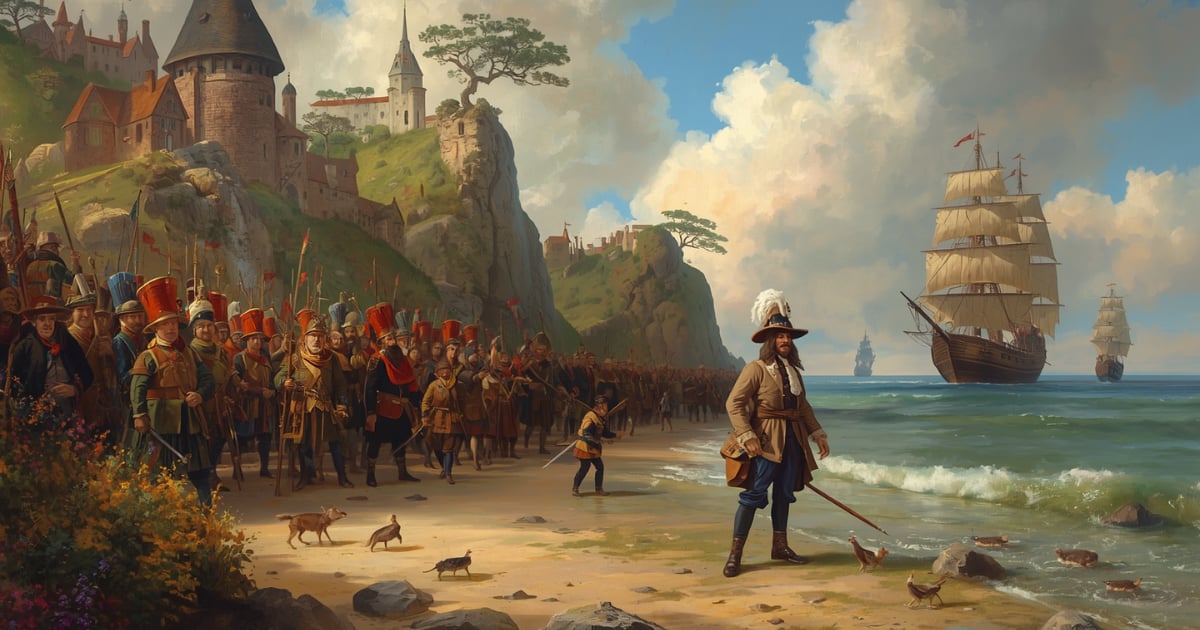
Five months at home should have been enough, but Gulliver leaves a pregnant wife to captain the Adventurer anyway. He loses Captain Pocock in a storm, then fills his crew from Barbados with men he soon learns were buccaneers. They mutiny, chain him in his cabin for weeks while plotting piracy, and on 9 May 1711 James Welch puts him ashore on an unknown coast with clothes, linen, a hanger, and pocket money. Alone inland, he sees deformed hairy creatures in fields and trees and recoils at once.

When one approaches, he strikes it with the flat of his hanger; a herd surrounds him and rains filth from the branches until horses scatter them. Those horses do not behave like horses. Two examine his face, coat, and shoes with unsettling rationality; Gulliver decides they must be magicians in disguise and begs a ride to shelter. They neigh in structured conversation; he catches the word Yahoo and then Houyhnhnm.

The gray steed signals him to walk ahead and waits when he grows weary. Part IV opens with judgment already running in both directions before anyone has spoken plainly. He still treats the horses as trained animals until their speech and manners force a stranger's guess that reason, not size, defines who belongs in charge.

Amplified Discussion
Why Smart People Make Obvious Mistakes

Swift understood something modern psychology has confirmed: intelligence doesn't protect us from terrible decisions when our emotions are driving. Gulliver isn't stupid, he's desperate. He knows hiring ex, pirates is risky, but his need for adventure makes him rationalize the danger away. This isn't a failure of IQ; it's a failure of emotional regulation. We see this pattern everywhere in working, class life. The single mom who ignores red flags about her new boyfriend because she needs help with the kids. The factory worker who takes a job at a place with obvious safety violations because unemployment is running out. The nurse who stays in a toxic workplace because switching would mean losing seniority. These aren't dumb people making dumb choices, they're smart people whose circumstances create emotional pressure that overrides their better judgment. The cruel irony is that the more desperately we need something to work out, the less clearly we can evaluate whether it will. Swift shows us that recognising this pattern is the first step toward breaking it. When you can name the mechanism, 'I want this so badly I'm not seeing clearly', you can create space between desire and decision. You can force yourself to write down the concerns others have raised. You can set conditions that must be met before moving forward. The goal isn't to become emotionless, but to recognise when emotions are editing reality.

Explore this chapter with AI to uncover deeper meaning and practical takeaways.

AI Discussion
Why it matters

Detecting Selective Perception

You can want the captain's chair so badly that warnings from coworkers start sounding like jealousy instead of useful data. Gulliver is happy at home for five months, hires Barbados buccaneers despite the signs, gets chained in his cabin, and is set ashore on an unknown coast with nothing but a hanger and pocket money. Detect selective perception before you take the risky offer: write down every concern someone raised and ask what you would tell a friend who wanted it as much as you do.

Lessons

PracticeThis week, notice when you dismiss a warning about something you really want; write the concern down before you decide.

Psych reading

The Willful Blindness Trap

We ignore obvious warning signs when accepting them would force us to give up something we desperately want.

In the mind

This chapter opens with a pattern most people recognise only in hindsight: wanting something badly enough to edit out the warnings. Gulliver is happy at home for five months, then takes a captain's berth he should have refused. He hires Barbados recruits despite knowing many were buccaneers, loses Pocock by ignoring advice, and only admits the mistake once the crew chains him in his cabin and sets him ashore with nothing but a hanger and pocket money. The mechanism is selective perception.

Desire creates a filter. Each red flag can be reframed as bad luck, a necessary risk, or someone else's problem until the cost arrives in person. Nurses see it when patients dismiss symptoms because treatment would disrupt the pay. Managers see it when a star hire's résumé gaps get explained away because the slot must be filled.

Gulliver is not stupid; he is invested. The closing third adds a second layer easy to miss when you focus only on the mutiny. Alone and stripped of rank, he instantly despises the Yahoos and elevates the horses because their surfaces match his hunger for order.

Disgust and admiration arrive before understanding, which foreshadows how badly first impressions will mislead him here. When you can name willful blindness at the decision point, not after the mutiny, you give yourself one last chance to write the warnings down, ask what you would tell a friend, and treat discomfort as data instead of noise.: see the want, see the filter, choose before the long, boat leaves without you. When you can name the pattern, predict the next move, and choose restraint before you assert strength, you have a practical map for the next decision.

Find the right chapter

Each mood maps to a life skill. Each skill connects to the patterns in classic literature.

😔How do you feel😊

Personalize your match

Optional—life stage, what you need today, and what you're navigating help us pick chapters that fit—not generic lists. You may also freeform using the feeling search below.

Sign in to save your profile

Choices stay on this device until you sign in.

Browse the Full Library
4,582Chapters
118+Books
86Authors