
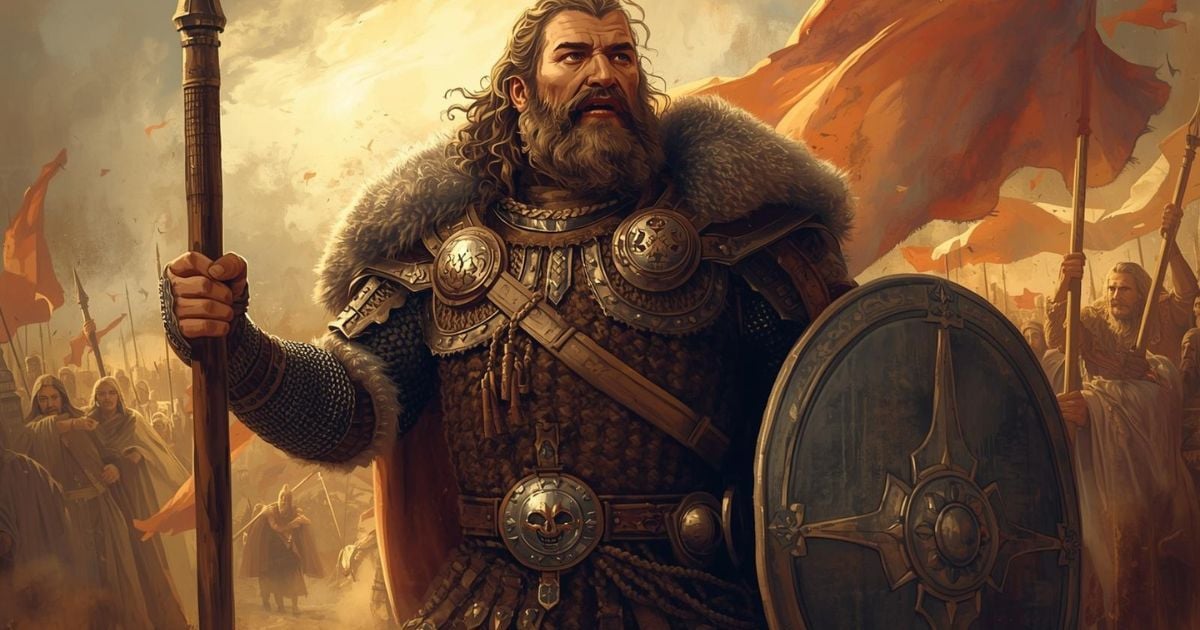
While Beowulf's other warriors flee in terror, young Wiglaf stands firm. He remembers everything Beowulf gave him, land, weapons, honour, and refuses to abandon his lord now. This isn't just about duty; it's about gratitude and integrity. Wiglaf shames the other warriors, reminding them of their promises made over mead cups in better times.
He'd rather die fighting beside Beowulf than live as a coward. When Wiglaf joins the battle, Beowulf strikes the dragon with his famous sword Nægling, but the blade shatters. His strength is so great that no weapon can withstand it, a cruel irony that his very power destroys the tools he needs. The dragon, now in its third attack, seizes Beowulf by the neck with poisonous fangs, and blood flows freely.
This chapter shows us the difference between fair-weather friends and true allies. When the stakes are highest and the outcome uncertain, most people disappear. But rare individuals like Wiglaf step forward, not because they're fearless, but because their values matter more than their safety. His loyalty isn't blind, he knows this might be a suicide mission.
But he also knows that some things are worth dying for, and abandoning someone who believed in you isn't an option. The breaking of Beowulf's sword symbolizes how even our greatest strengths can become liabilities, and how we sometimes need others most when we appear strongest.
Wiglaf's choice reveals something uncomfortable about loyalty: it's not really loyalty unless it costs you something. When times are good, everyone wants to be your friend. The real test comes when supporting you might damage someone's reputation, cost them opportunities, or put them at risk. In our modern world, we see this pattern everywhere. The friend who still invites you over after your divorce, even though their spouse thinks you're 'drama.' The coworker who backs your idea in the meeting, knowing the boss disagrees. The family member who loans you money when you're struggling, even though others warn them you might not pay it back. These people aren't naive, they understand the risks. They're making a calculated decision that your relationship matters more than their comfort. The flip side is equally important: most people will abandon you when the cost gets too high, and that's not necessarily a character flaw. It's human nature to protect yourself first. The wisdom lies in recognizing the difference between fair-weather friends and tested allies, and not expecting more from people than they're capable of giving. When you find someone willing to pay a real price for your friendship, you've found something rare. The question becomes: are you willing to do the same for them?
Explore this chapter with AI to uncover deeper meaning and practical takeaways.
AI Discussion