
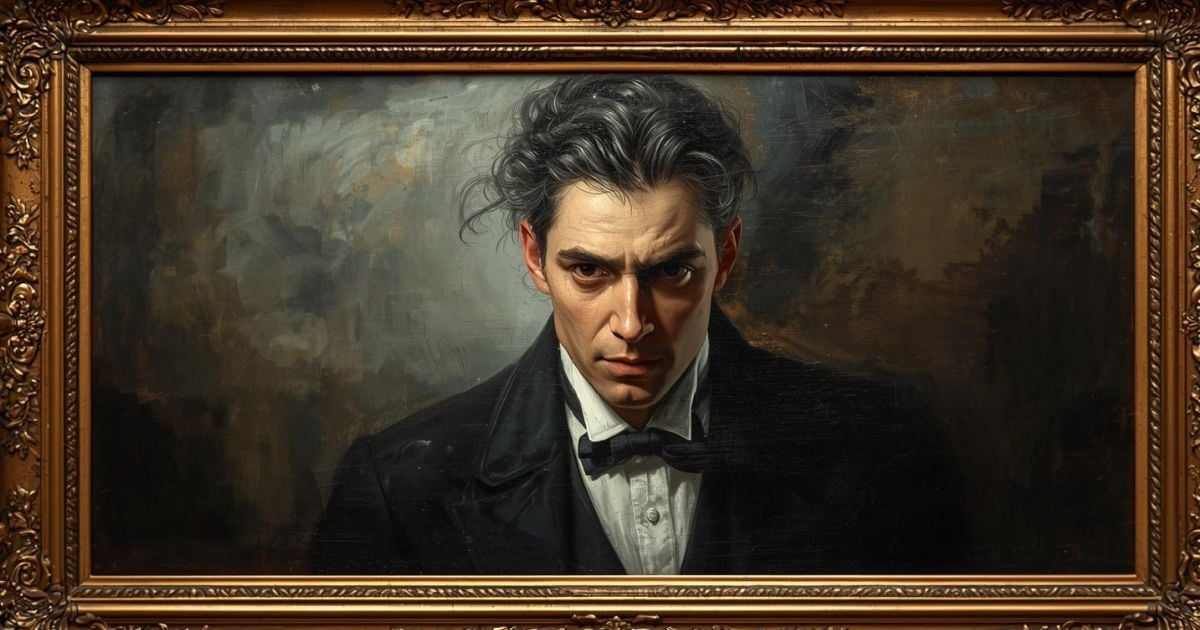
Lord Henry Wotton lounges in Basil Hallward's rose-scented studio while a full-length portrait of a young man of extraordinary beauty dominates the room. Henry urges Basil to send the canvas to the Grosvenor; Basil refuses, first saying he has poured too much of himself into it, then admitting in the garden that every felt portrait reveals the painter's soul and that this one would expose a devotion gossiping London must never see.
Henry presses for the real story. Basil describes meeting Dorian Gray at Lady Brandon's crush two months earlier: a glance that felt like fate, terror that the boy's personality could absorb his art, and an introduction both men later called inevitable. Dorian has become Basil's daily necessity and the force behind his best work; the finished portrait records an idolatry the sitter must never know.
Henry answers with epigrams on conscience as cowardice, marriage as mutual deception, and the English habit of judging ideas by sincerity rather than truth. He insists he must see Dorian and learns the name matches a young philanthropist Lady Agatha praised for earnest East End work, though Henry had pictured someone plain and ridiculous.
Basil warns that Henry's influence would poison a nature he calls simple and beautiful, begs him not to spoil or reshape the boy, and appeals to trust while admitting his life as an artist depends on Dorian. Henry prophesies that Basil's devotion will sour when Dorian's looks fade, treating worship as a summer romance art will outlive, while Basil insists Dorian's personality will dominate him for life. Henry treats the final plea as nonsense and other people's emotions as better entertainment than their principles.
When Parker announces Dorian is already waiting in the studio, Basil's gatekeeping collapses: Henry laughs, takes Basil by the arm, and steps inside to meet the subject of the portrait. Dorian never speaks in this chapter, yet two men have already decided what he is for and who will reach him first. Wilde stages the whole tragedy in miniature: art, vanity, and competing mentors circling a face that has not yet chosen what it will become.
Dorian Gray opens with a uncomfortable truth: sometimes being valuable makes you vulnerable. When you have something others want—beauty, talent, potential, even just a steady paycheck—people will compete to influence your choices. The Victorian setting might seem distant, but the dynamics are timeless. Today's version plays out in every workplace where someone shows promise, every family where someone starts succeeding, every relationship where one person has options. The most dangerous influences often come wrapped in genuine care. Marcus really does want to protect Dorian's reputation, just like parents who discourage risky career moves or friends who warn against 'changing too much.' Victoria really does see Dorian's potential, like mentors who push for advancement or partners who encourage ambition. Both can be right about the risks and opportunities they see. The trap isn't that one influence is good and another evil—it's that neither is asking what Dorian actually wants for his own life. This pattern intensifies when you're young, attractive, talented, or simply in a position where others see opportunity. Everyone becomes an expert on your life. The key insight is that being fought over isn't the same as being cared for. Real support helps you clarify your own values and make informed decisions. Fake support pushes you toward predetermined conclusions. When everyone has plans for your life, whose voice gets lost in the noise?
Explore this chapter with AI to uncover deeper meaning and practical takeaways.
AI Discussion