
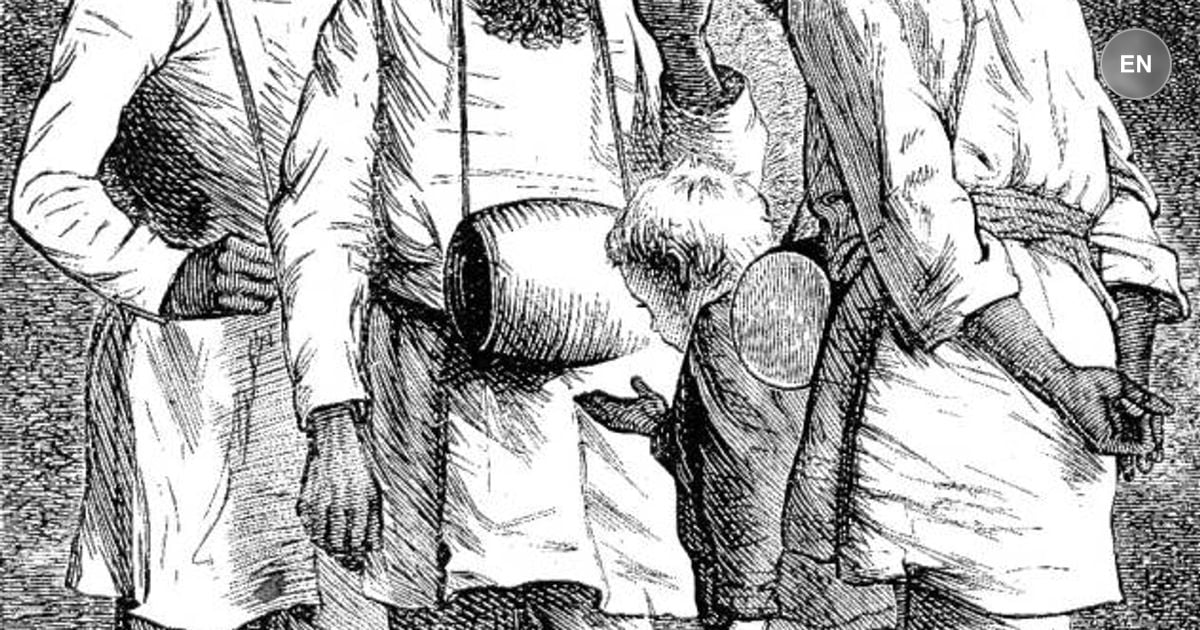
Mr. Bruff receives an unexpected visit from a mysterious Indian gentleman seeking a loan, recommended by the nervous Mr. Luker. The visitor is impeccably dressed and polite, but Bruff immediately recognizes him as one of the three Indians pursuing the Moonstone. The Indian presents an ornate jeweled casket as collateral for a loan, but when Bruff refuses to lend to strangers, the man accepts the rejection without argument.
However, he asks one final question about loan repayment terms, and this is when Bruff notices the visitor's first genuine interest in the conversation. The Indian wants to know how long borrowers typically have to repay loans, exactly one year. After the visitor leaves, Bruff realizes the entire loan request was a performance designed to extract this specific piece of timing information. Mr. Luker later visits to apologetically explain his terror when the same Indian approached him first.
Luker had been so frightened, recognizing the man as one of his previous tormentors, that he blurted out Bruff's name just to get rid of the visitor. The Indian had asked Luker the same final question about loan timing. This chapter reveals how the Indians are methodically gathering intelligence about English customs and legal timeframes, suggesting they're planning something that requires precise timing. Bruff's professional curiosity leads him to grant the interview, demonstrating how even careful people can be drawn into dangerous situations by their own interests.
Collins reveals a disturbing truth: the more skilled you become, the more vulnerable you are to manipulation through your expertise. Bruff falls for the Indians' scheme precisely because he's competent and curious, qualities that normally serve him well. This paradox haunts modern workplaces where professionals regularly face social engineering attacks designed to exploit their knowledge and helpfulness. Healthcare workers get manipulated by patients seeking drugs who present compelling medical scenarios. IT staff fall for sophisticated phishing attempts that challenge their technical skills. Teachers give extra access to students who ask thoughtful questions while hiding ulterior motives. The mechanism is always the same: manipulators research their targets, identify areas of professional pride, then craft scenarios that make experts want to demonstrate their competence. What makes this particularly insidious is that the manipulation feels like recognition, finally, someone appreciates what you know. The solution isn't to become suspicious of everyone, but to develop pattern recognition. When someone approaches you through your professional identity, especially asking detailed process questions, pause and ask what they're really after. Trust your instincts when something feels off, even if the person seems respectful and the request appears legitimate. Your expertise has value, don't give it away to anyone who hasn't earned your trust through transparency about their true intentions.
Explore this chapter with AI to uncover deeper meaning and practical takeaways.
AI Discussion