
Chapter 23 chronicles the complete unraveling of the Verinder household through four distinct turns, each stripping away another layer of stability until only Betteredge remains amid the wreckage. The chapter opens with Franklin Blake's departure confirmed before a word is spoken: his luggage already in the hall tells Betteredge everything. Lady Verinder's letter, which Franklin silently hands over rather than explaining himself, delivers the first major turn. The letter reveals that Rachel holds Franklin personally responsible for the investigation that nearly exposed her secret, and that her nervous collapse has made him an impossible presence in her life. Lady Verinder writes with painful clarity that Franklin's well-intentioned efforts to recover the Moonstone have, in Rachel's mind, threatened whatever private obligation of silence she has accepted. The mother cannot excuse the daughter's logic, but she cannot override it either.
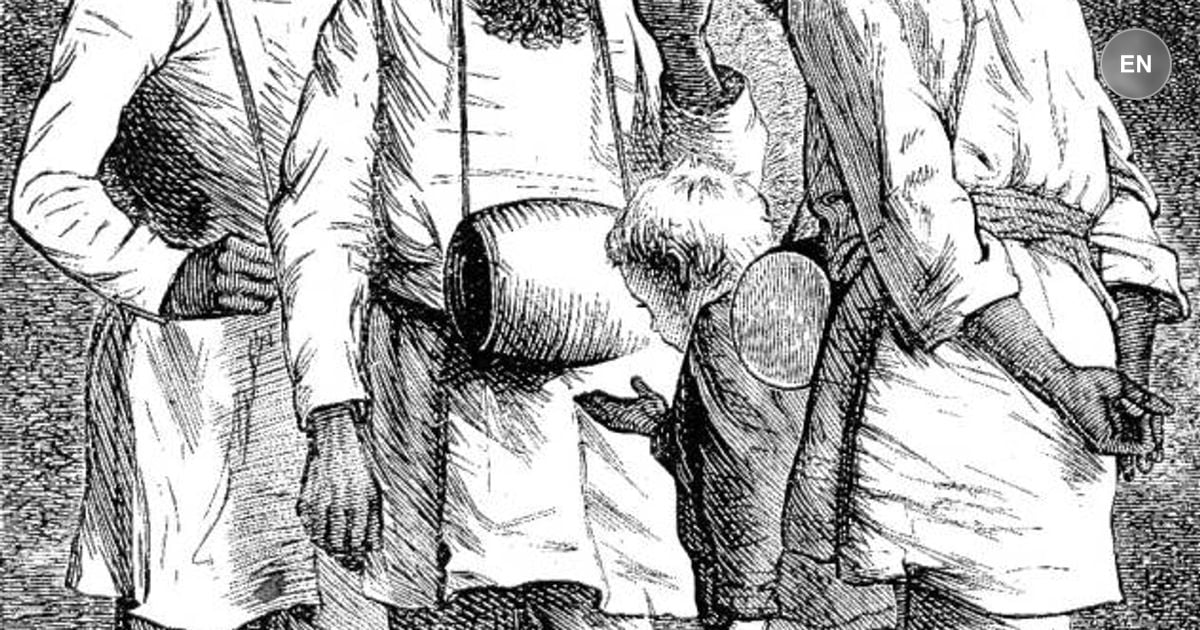
Franklin must wait, at a distance, for time to do what reason cannot. This letter transforms Franklin's departure from a temporary retreat into something closer to exile. The second turn is Franklin's farewell itself, which carries the chapter's emotional center. Standing at the pony-chaise, surrounded by weeping maids and a household that clearly adores him, Franklin delivers his sharpest observation: the Moonstone has accomplished Colonel Herncastle's revenge through means the Colonel never imagined. The jewel did not destroy the family through violence or scandal but through suspicion, silence, and the slow poisoning of trust between people who loved each other. When Betteredge asks where he is going, Franklin answers that he is going to the devil, and the pony flinches as if it understands the weight of that answer.
The third turn is the household's dispersal. Lady Verinder, unwilling to bring Rachel back to a house saturated with bad memory, takes her daughter directly to London from Frizinghall. Servants are dismissed or reassigned. Betteredge is left alone as caretaker, his evenings so dull he falls asleep in his chair and must prop himself up with Robinson Crusoe and his pipe. The estate that opened the novel as a scene of birthday celebration has become an empty shell. The fourth and most consequential turn arrives Monday morning in the form of Limping Lucy, Rosanna Spearman's closest friend.
Lucy confronts Betteredge with raw fury, calling Franklin a murderer and insisting he caused Rosanna's death by inspiring a love he never acknowledged and never returned. Lucy's grief is not abstract: she had saved money, made plans, and dreamed of taking Rosanna to London where the two women could live independently as seamstresses. Franklin's presence destroyed that future by giving Rosanna a reason to stay and a reason to despair. Most critically, Lucy carries a letter written by Rosanna before her death, addressed to Franklin alone. When Betteredge reveals that Franklin has already left for London, Lucy refuses to surrender the letter to anyone else, closing off the very clue that might finally explain the Moonstone's disappearance. The chapter ends with the mystery sealed tighter than ever, the letter in Lucy's hands, and Betteredge watching another piece of the truth walk away down the road.
Collins reveals a brutal truth about human nature: when crisis hits, even people who love you will often choose self-preservation over loyalty. Franklin Blake isn't a villain - he's a decent man who genuinely cares about Rachel. But when staying means accepting blame and uncertainty, he leaves. Lady Verinder chooses her daughter over justice. The servants scatter to find new employment rather than risk being associated with scandal. This isn't moral failure; it's survival instinct. The same pattern plays out today when friends distance themselves from your divorce, family members avoid your addiction struggles, or coworkers stop associating with you during workplace investigations. Understanding this pattern doesn't make it hurt less, but it prevents you from taking it personally or chasing people who are protecting themselves. The key insight is that crisis reveals who people really are under pressure - not necessarily bad people, but people with different priorities and risk tolerances than you assumed. This knowledge helps you identify who will actually stand with you when things get difficult, and it teaches you to build multiple support systems instead of depending on any single relationship to weather every storm. Sometimes the people who stay aren't the ones you expected, and sometimes the people who leave come back once the immediate danger passes.
Explore this chapter with AI to uncover deeper meaning and practical takeaways.
AI Discussion