
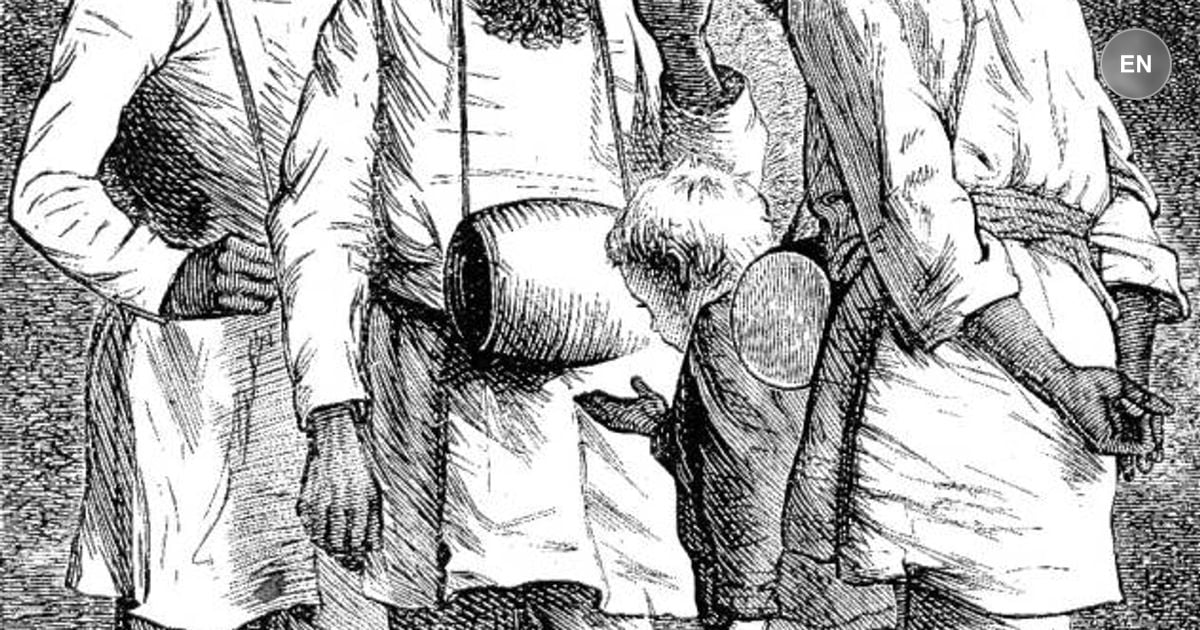
Sergeant Cuff takes Betteredge on a walk through the shrubbery, ostensibly to ask questions away from listening ears. When Cuff spots Rosanna Spearman hiding in the bushes, he presses Betteredge about whether she has a sweetheart. Out of pity, Betteredge reveals Rosanna's unrequited feelings for Franklin Blake, thinking this will protect her from suspicion. Cuff seems satisfied and proceeds to interview all the servants individually. Each emerges with unfavorable opinions of the Sergeant, except Rosanna, who comes out pale and silent.
When Rosanna requests to go out for air, Cuff allows it but secretly follows her. Betteredge's curiosity leads him to pump the other servants for information over tea. He discovers that the lady's maid and housemaid had been spying on Rosanna during her supposed illness, finding her door locked, seeing light under it at midnight, and hearing a fire crackling at 4 AM in June. This information has clearly fueled Cuff's suspicions.
When Franklin returns and learns what happened, he immediately deduces that Rosanna must have stolen the Diamond and burned the paint-stained dress. But when he moves to tell Lady Verinder, Cuff stops him, warning that telling her would mean telling Rachel. The tension between Franklin and Cuff reveals they both understand something about Rachel's involvement that remains unspoken. Cuff then leads Betteredge toward the Shivering Sand, setting up what appears to be the final phase of his investigation.
Collins reveals a painful truth about human nature: our protective instincts often harm those we're trying to help. When Betteredge shares Rosanna's secret love for Franklin, he believes he's providing an innocent explanation for her behavior. Instead, he hands Cuff exactly what he needs to build a case against her. This pattern repeats endlessly in modern workplaces, schools, and communities. We share someone's personal struggles with authority figures, thinking we're building understanding and sympathy. But authority figures often interpret vulnerability as liability, struggle as risk, and explanation as evidence. The healthcare worker who mentions a colleague's divorce to explain recent tardiness may inadvertently trigger a performance review. The teacher who shares a student's home situation with administrators may create a paper trail that follows the child for years. The friend who explains someone's financial stress to a boss may turn that person into a theft suspect. Collins shows us that good intentions don't protect against bad outcomes when information flows to those with different agendas. The question becomes: when does protecting someone require withholding their story rather than sharing it? How do we distinguish between building genuine support and accidentally building a case against someone we care about?
Explore this chapter with AI to uncover deeper meaning and practical takeaways.
AI Discussion