
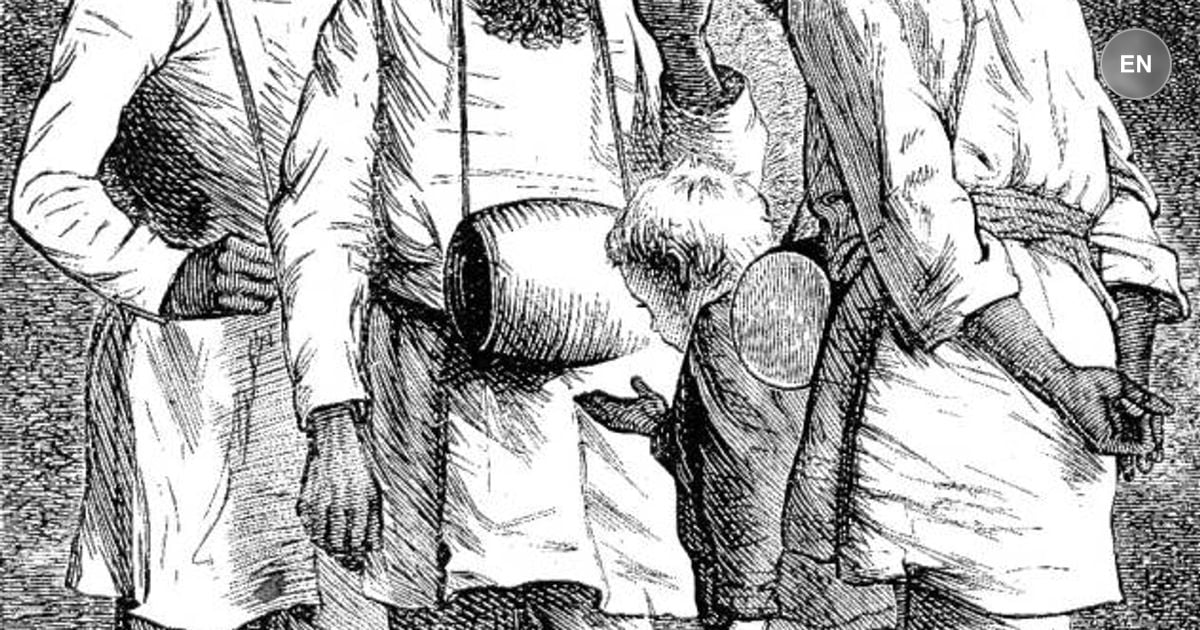
Sergeant Cuff tells Lady Verinder he wants to search every wardrobe in the house, hers included, for the paint-stained garment that will lead to the Diamond. Searching everyone equally, he says, takes the sting out of suspicion. Lady Verinder offers her keys at once. Godfrey Ablewhite delays his departure so that his luggage can be examined. Franklin volunteers complete access and treats the request as a matter of course. For a moment the inquiry looks as if it will run on fairness rather than on fear.
Rachel refuses. She bursts into tears and will not submit, because she will not. Asked again, she will yield to force and to nothing else. Fairness then demands that Cuff abandon the search: all wardrobes or none. He is not disappointed. He looks almost satisfied, as if the refusal were the confirmation he had been waiting for. Lady Verinder, who had been ready to open every door, now has to carry that answer back, and she is afraid of him in a way Betteredge cannot quite name.
Cuff has already noticed Rosanna Spearman, the reformed thief among the servants. In a house where everyone else cooperates, the one person who will not becomes the fact the inquiry has to explain. Betteredge watches the Sergeant take the refusal as evidence rather than as a check. The search is over. The trail has only just started.
Rachel's situation exposes a fundamental tension in modern life: we have the legal right to privacy, but exercising that right often makes us look guilty. This paradox appears everywhere, from refusing police searches to declining social media participation to keeping financial information private. The Victorian era's rigid social structures made this dynamic even more pronounced, but the pattern persists today. When everyone else at work shares personal details, the private person becomes the mysterious one. When neighbors install security cameras and you don't, you're the suspicious house on the block. When family members freely share their phones and you password-protect yours, you're hiding something. The investigator in this chapter understands human psychology: he knows that creating a situation where refusal looks guilty will flush out information. This tactic works because humans are social creatures who interpret non-conformity as potential threat. The challenge is that sometimes we have legitimate reasons for privacy that have nothing to do with wrongdoing, financial shame, family secrets, personal trauma. Yet our refusal to explain makes others assume the worst. How do we protect genuine privacy needs without triggering suspicion? How do we distinguish between reasonable transparency and invasive demands? The answer lies in understanding that privacy is often less about the specific information and more about maintaining dignity and control in relationships where power imbalances exist.
Explore this chapter with AI to uncover deeper meaning and practical takeaways.
AI Discussion