
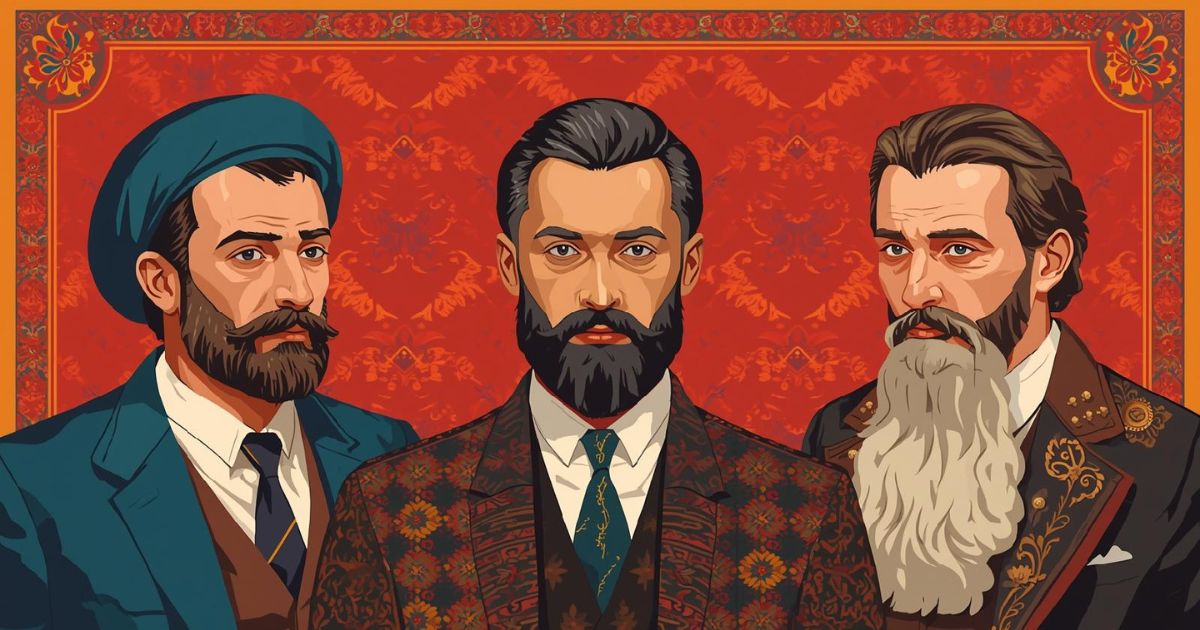
These are Father Zossima's memories of the years before he became a monk. He spent a long time, almost eight years, in the military cadet school at Petersburg, and he learned the habits of that world. They all, himself included, looked upon the soldiers in their service as cattle. Honour meant drinking, swagger, and the duel. He carried a Bible and did not open it. In the town of K. he fancied a noble girl. He delayed, sure of himself. He came back and found her married to the landowner who had long been betrothed to her. It was wounded vanity, not love, that drove him. He insulted the husband in company and forced a duel he knew was absurd.
The night before the meeting he beat his orderly, Afanasy, with a savage cruelty, and went to bed pleased with himself. He woke to birdsong and felt vile. He remembered his dying brother, who had asked why the servants should love him, and why he should be served. The thought came with a flash. What am I worth, that another man, a fellow creature, made in the likeness of God, should serve me? He ran back to the wing. Forgive me, he said. Afanasy started as though he were frightened, and Zossima saw that the words were not enough. He bowed down to the floor in his full uniform. The man wept. If men knew that each is responsible for all, he thought, the world would be a paradise at once. God, can that too be false? He wept as he thought it.
In the morning he faced his antagonist. He would not shoot. The other had already fired. Fire again if you like, he said, but it would be better not to fire. The seconds shouted. Can you disgrace the regiment like this, facing your antagonist and begging his forgiveness? He stood facing them all, and he was not laughing. Gentlemen, is it really so wonderful in these days to find a man who can repent of his stupidity and publicly confess his wrongdoing? Not in a duel, his second cried. That is what is so strange. He left the regiment. The world he had lived in was finished for him, and he did not yet know what would come in its place.
A man of the town began to visit him. People wondered why the visits were so frequent. The visitor said that soon all would be explained. He had trained himself not to believe in the help of others, in men and in humanity, and he only trembled for fear he should lose his money and the privileges he had won. Sometimes an extraordinary agitation came over him, and he would get up and go away. Sometimes he fixed a long piercing look on Zossima, as if he were about to speak, and then he would begin on something ordinary. He complained of headache.
One day, quite unexpectedly, he said that he had murdered someone, and he smiled with a face as white as chalk. The murder had not been done for gain. It had been done, and then a theft had been arranged, to avert suspicion. The sum stolen was small. He had shortly afterwards subscribed the whole of it, and much more, towards the funds for the family he had ruined. He came back and back. Why is it he is smiling? Zossima thought, the first time the words were said. The smile was worse than the sentence.
At the end the visitor had done what he had to do. He had confessed in public. He dared, he said, to love his children and to kiss them. Neither his wife nor the judges, nor anyone, had believed him. His children would never believe it either. He saw in that God's mercy to them. He would die, and his name would be without a stain for them. He felt God near, and his heart rejoiced as in heaven. He pressed Zossima's hand. His wife kept peeping in. He had time to whisper the thing he had asked Zossima to remember. The second time he came, at midnight, he came to kill him. He had gone out into the darkness and wandered the streets, and suddenly he hated the man who knew. He is all that binds me, and he is my judge. I cannot look him in the face if I do not confess. He remembered a dagger lying on the table. He sat down and asked Zossima to sit, and for a whole minute he pondered. The Lord vanquished the devil in his heart. You were never nearer death. A week later he died. The whole town followed him to the grave. The chief priest spoke with feeling. They lamented the illness that had cut short his days. After the funeral the town was up in arms against Zossima, and people refused to see him. Some, a few at first and then more, began to believe the story, and they came to question him, for man loves to see the downfall of the righteous. He held his tongue. Very shortly he left the town, and five months later he entered on the path he calls safe and blessed. He remembers in his prayer to this day the servant of God, Mihail, who suffered so greatly.
Dostoevsky understood something we're rediscovering in modern psychology: shame loses its power when it's shared. The mysterious visitor in this chapter has been carrying a fourteen-year-old secret murder, but watching Zossima publicly humble himself breaks the spell of isolation. This isn't about religious confession - it's about the human need to be known fully and still accepted. In our current culture of social media perfection, we're all carrying secrets about our failures, our struggles, our moments of cruelty. We think we're the only ones who feel inadequate, who've made terrible mistakes, who sometimes act from our worst impulses. But when someone breaks that illusion by being genuinely vulnerable about their flaws, it creates a ripple effect. Suddenly others realize they're not alone in their imperfection. This is why support groups work, why authentic leadership inspires loyalty, why the best managers admit their mistakes. The pattern appears everywhere once you see it: in families where one person's honesty unlocks years of buried resentments, in workplaces where admitting errors leads to systematic improvements, in friendships where vulnerability deepens trust. The question isn't whether you have darkness to face - we all do. The question is whether you'll go first.
Explore this chapter with AI to uncover deeper meaning and practical takeaways.
AI Discussion