
Sandbourne at night is a watering-place sprung up against the edge of Egdon, piers and pines and houses standing apart, and a mile inland no sod has been turned since the Caesars. Angel takes a hotel bed and telegraphs his father, then walks the streets, because it is too late to ask for anyone. He cannot think where a cottage girl, his wife, would be in all this wealth. There are no fields to till. Perhaps she works in one of the big houses. Lights go out, window by window, and he does not know which might be hers. He rereads her angry letter and cannot sleep.
At seven he is at the post office. The first postman knows no Mrs Clare and no Miss Durbeyfield. A second knows no Durbeyfield either, but there is a d’Urberville at The Herons, a stylish lodging-house. Angel is pleased. He thinks she has taken her real name back, and said it properly. He arrives with the milkman and almost goes to the back, in case she is a servant. He rings at the front. The landlady answers him with a married name: Mrs d’Urberville. He is glad Tess passes as married, even under a name that is not his. He sends in a single word, Angel. While he waits, it crosses his mind that she must have sold the jewels, and he does not blame her for a moment.
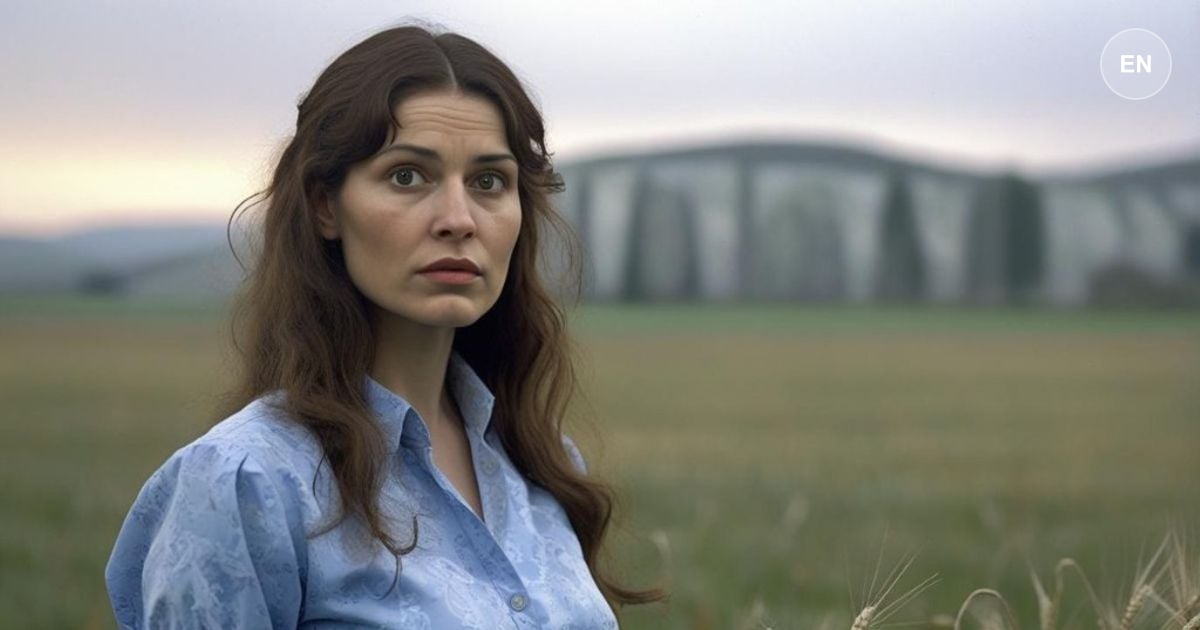
Tess stops in the doorway, not as he pictured her. A grey-white cashmere dressing-gown, stitched in half-mourning, and her hair only half pinned, show the haste. His arms rise and fall again, because she does not come forward. It is too late, she says, and he must keep away. He tells her he failed to see her as she was, and that he has learnt since. She waited, she wrote, and he did not come. Alec kept saying he never would. Alec was kind to her, to her mother, and to all of them after her father’s death, and Alec has won her back. He is upstairs. She hates him now, because the lie is broken and Angel is standing here. The clothes are what Alec put on her. She asks Angel to go away and never come any more. He says the fault is his, and speech stops. She has vanished. Upstairs, the man who told her Angel would not return is still in the house. In the street, Angel walks on, and he does not know which way he has turned.
Hardy shows us something brutal about timing and consequence: sometimes the window for our preferred choices closes permanently, even when love and forgiveness finally arrive. Teresa finds herself trapped not by lack of options, but by the weight of obligations created during Angel's absence. This pattern echoes through modern wage-earning life constantly. The single mother who moves in with a controlling partner because he pays for childcare, then can't leave when a healthier relationship develops. The worker who signs a restrictive contract during unemployment, then watches dream opportunities pass by. The family member who accepts help from difficult relatives during crisis, then can't relocate when their situation improves. The mechanism is always the same: survival decisions create their own momentum. When you're forced into compromise, you're not just choosing for today, you're potentially closing doors for tomorrow. Hardy understood that society often judges people for being 'trapped' in bad situations without recognizing how desperation narrows choices. The real tragedy isn't that people make survival compromises, but that we rarely acknowledge how these decisions compound. Understanding this pattern means recognizing that abandoning someone in crisis doesn't just hurt them in the moment, it forces them into choices that may make reconciliation impossible. Sometimes the cruelest truth is that love alone cannot undo the consequences of its absence.
Explore this chapter with AI to uncover deeper meaning and practical takeaways.
AI Discussion