
The letter lay on the breakfast table at Emminster. Old Mr Clare took it for his son's wife, and thought that if Angel still hoped to leave Rio at the month's end, these pages might hurry him. He sent them on the same day. Mrs Clare said, as she rarely did, that the boy had been ill-used. Cambridge should have been his with the others, want of faith or not. He might have grown out of it and taken Orders. Her husband lay awake over that, covering sighs with prayers. He loved Angel. He still would not call the refusal wrong. Learning, given to an unbeliever, might have been turned against the doctrines he and his ordained sons lived to spread. They blamed the marriage on the farming life that had thrown him among dairy girls. They did not know what had parted the couple. Later letters spoke of coming home to fetch her. They left the matter alone.
Angel was not at Rio to be hurried. He rode a mule from the interior towards the coast, the fever of his first weeks never quite gone, and he had nearly decided to give up Brazil without telling his parents. English labourers who had chased the same promises had died around him. He had seen a mother dig a child's grave with her hands, shed one tear, and walk on. The months had aged him. Beauty held him less than pathos, and he was beginning to judge a life by what it willed, not only by what it had done. He could no longer say he would reject Tess for ever. Not saying it was already, in spirit, to take her back. Her long silence he misread, and he did not ask. She had been obeying, to the letter, orders he had given and forgotten. A stranger who rode with him, an Englishman of many countries, heard the marriage and called the leaving wrong. What Tess had been was nothing beside what she would be. A thunderstorm the next day gave that man the fever. He was dead within the week. Clare buried him and rode on, and the few words weighed more than the philosophers because the speaker was gone. Izz's old answer came back with them. Tess would lay down her life for him, and Izz could do no more. He was on her side now. Even the old name he had scorned began to move him, a fading dignity in her face rather than a rank. The letter was on its way from his father. Inland, it still had far to travel.
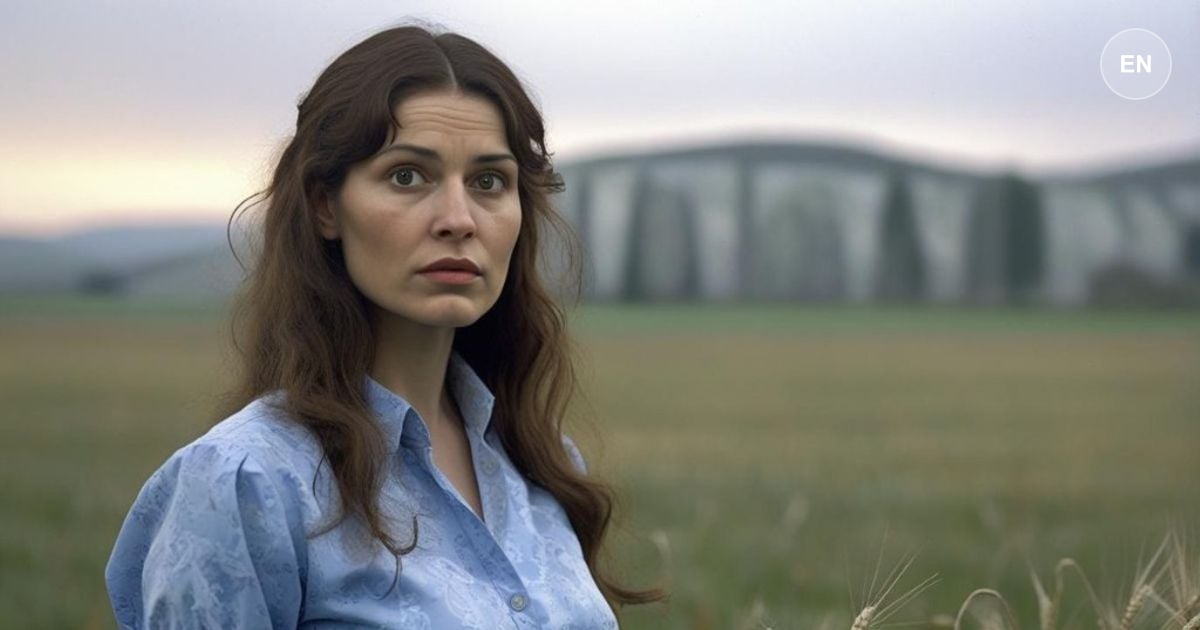
Tess knew none of the change. She learned from Amby Seedling the songs Angel had liked when the dairy girls sang to the cows, and she practised "The break o' the day" apart from the others, tears running, because he might never come to hear it. She barely noticed that her term was almost done. Then 'Liza-Lu stood in the doorway, a year older and shot up out of her frock, tired from searching all day. The doctor said their mother was dying. Their father was unwell too, and held that a man of his high family ought not to slave at common labour. Tess stood a long while before she thought to bring the girl in. She would go home that night, though the hiring ran to Old Lady-Day, the sixth of April. Marian and Izz were to speak for her. She tucked Lu into the bed, packed a withy basket, and started, Lu to follow in the morning.
Hardy shows us something uncomfortable: sometimes we need to lose our comfort to find our conscience. Angel required fever, death, and isolation to see Teresa's worth. This pattern repeats constantly in wage-earning life, the supervisor who only appreciates good employees after they quit, the parent who recognizes their child's strengths only during a health scare, the partner who realizes their spouse's value during a separation. Why does proximity breed blindness while distance brings clarity? Perhaps because daily life creates a kind of emotional static. We get caught up in defending positions rather than examining them. We mistake familiar for worthless, available for expendable. Crisis strips away this static by removing our usual supports and forcing us to see what actually matters. The danger is waiting for crisis to provide this clarity. Thomas needed his coworker's death to recognize Teresa's worth, but how much pain could have been avoided if he'd examined his assumptions earlier? The pattern suggests we can create intentional distance before crisis forces it on us. Take breaks during heated discussions. Seek outside perspectives. Imagine losing what you're taking for granted. Most importantly, when distance gives you clarity about someone's value, act on that insight immediately.
Explore this chapter with AI to uncover deeper meaning and practical takeaways.
AI Discussion