
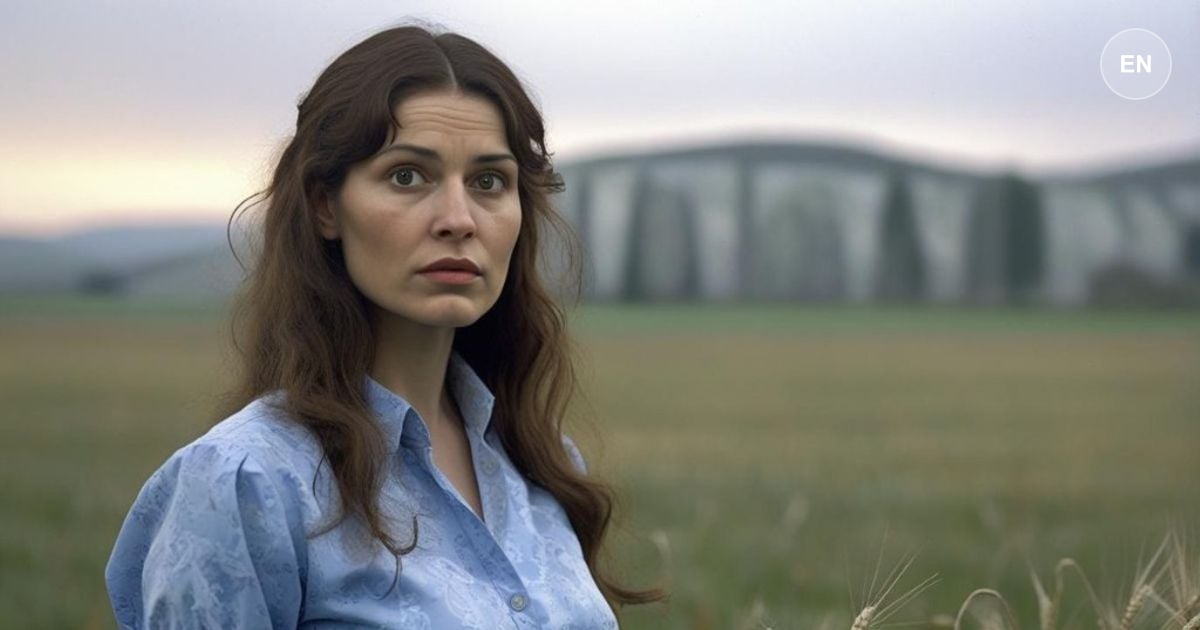
Eight months after Angel left, Tess was on the road with a basket and a bundle, and the purse he had filled was flat. Half of his fifty pounds had gone to her parents. She had hated to spend the twenty-five left, because the coins were new from his bank and still felt like his. Wet weather stopped the dairy work near Port-Bredy. When the sovereigns were almost gone, Joan wrote that rain had come through the thatch, and that rafters, a ceiling, and the old unpaid bill would come to twenty pounds. She thought the husband of means was already home. Thirty pounds were due from his bankers. Tess sent the twenty at once, bought the winter clothes she could not skip, and came down to the last pound. He had told her to apply to his father if she needed more. She could not. His family would see a beggar, and her own people still believed she was waiting for him in comfort. She would not tell them she was a deserted wife. She did not know that he lay ill of fever in the clay near Curitiba.
Towns frightened her. Large houses were where the harm had come from. She would not go back to Talbothays to be pitied and talked over. A letter from Marian offered hands on an upland farm. Tess had been lingering west of the River Brit, nearer the vicarage, half ready to call there one day. Then she turned east towards Chalk-Newton. Dusk took the lane on a November afternoon, and a man overtook her. He knew her from Trantridge as young Squire d'Urberville's friend. He was the well-to-do boor Angel had knocked down at an inn, and he told her to beg pardon for that blow. She ran through a gate into a plantation, scraped dead leaves into a nest, and lay there thinking of her husband in the warmth on the other side of the world. She felt the bone under her brow and wished it already bare.
Daylight showed what the night noises had been. A shooting party had driven pheasants into that corner of the wood and carried off the dead. The wounded had hidden in the boughs, bled, and fallen. Some were still twitching. Tess broke their necks with her hands and left them for the keepers, crying while she did it. She had called herself the most miserable being alive. These birds were mangled, and she was not. She was not bleeding. She had two hands to feed and clothe her. The upland farm was still ahead.
Hardy shows us something uncomfortable: sometimes what we call dignity is actually pride in disguise, and pride can literally kill you. Teresa would rather freeze in the woods than let Angel's family see her as a beggar. She'd rather lie to her own parents than admit she's struggling. This isn't nobility, it's a kind of psychological trap that keeps people suffering longer than necessary. The wounded pheasants become her teachers. They're not choosing to suffer, they're just stuck in a situation beyond their control. But Teresa is choosing her suffering by refusing help that's available. Today, this pattern shows up everywhere. The single parent who won't apply for assistance because 'that's not who I am.' The laid-off worker who burns through retirement savings rather than take a job they consider 'beneath them.' The small business owner who destroys their family's financial security rather than admit the business failed. Each person protecting an image while their actual life crumbles. Hardy suggests there's a difference between dignity, which comes from how you treat others and handle your responsibilities, and pride, which is about how others see you. Real dignity sometimes means accepting help, admitting mistakes, or taking work that doesn't match your self-image. The most dignified thing Teresa does in this chapter isn't maintaining her facade, it's showing mercy to suffering creatures who can't help themselves. What are you protecting that might be costing more than it's worth?
Explore this chapter with AI to uncover deeper meaning and practical takeaways.
AI Discussion