
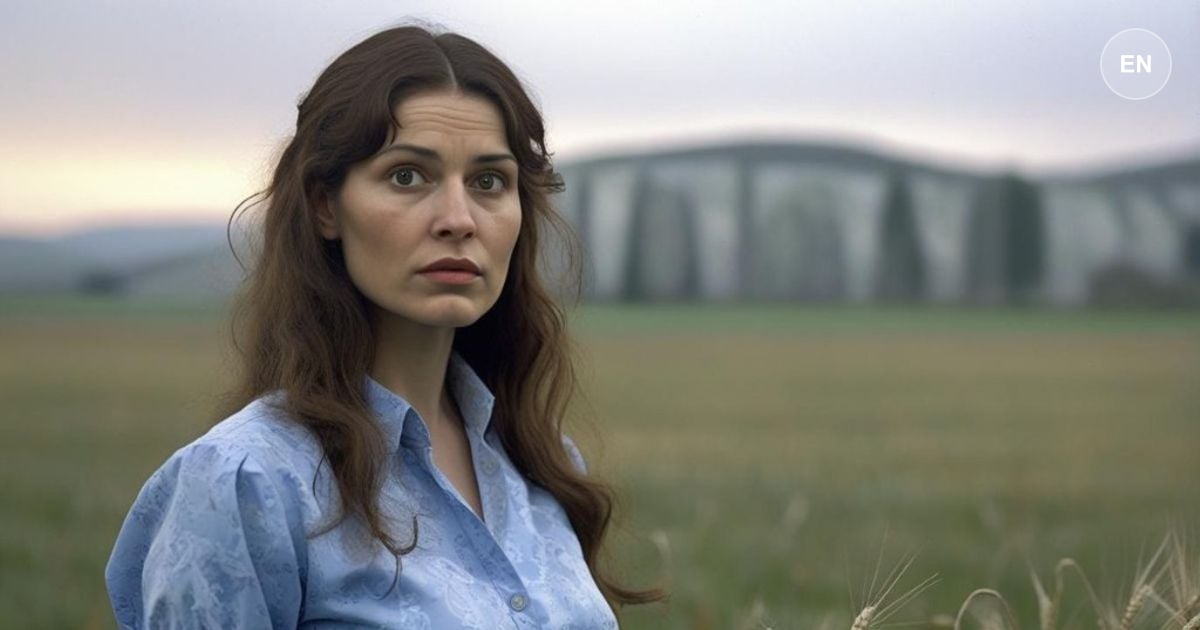
Upstairs at Rolliver's, where an off-licence kept the drinkers in a bedroom and a ready speech about private friends and club-walking was meant to fool the government, Joan found John singing his vault at Kingsbere-sub-Greenhill. Tess was not there to hear the project. A rich lady named d'Urberville lived by Trantridge, on the edge of The Chase. Send the girl to claim kin, and a noble gentleman would marry her. The fortune-book had said so, and Tess had not been asked. John thought her queer. Joan thought her tractable. Abraham, hidden under the bedstead, added a coach and black clothes for the whole family. An older man muttered that Joan must mind Tess did not get green malt in floor. Nobody answered.
Tess brought them home. A little ale set John swerving, and his own small door started the vault song again. At half-past one he could not take the hives, which had to reach Casterbridge before Saturday's market or be left unsold. Tess would not borrow a driver from the dance and have the shame known. She woke Abraham, hung a lantern on the load, and led out Prince. Past sleeping Stourcastle the boy repeated what he had heard under the bed. Claim kin at Trantridge and a gentleman would marry her. She had not known there was any such relation. He asked about the stars. She said they were worlds like the apples on the stubbard-tree, most sound, a few blighted, and that theirs was a blighted one. On a sound star their father would not be too tipsy for this road, their mother would finish the washing, and she would not have to be made rich by marrying. She told him to stop. Both slept. The lantern went out.
The morning mail, quiet on two wheels, drove its shaft into Prince's breast. Tess covered the wound with her hand and was splashed from face to skirt. The driver said she had been on the wrong side, and went on with the bags. She shook Abraham awake and said the killing was all her doing. He asked, in tears, if this was what she had meant by a blighted star. A cob took the hives on. That evening Prince came home in the empty waggon, hoofs in the air. The parents knew already, and did not blame her as she blamed herself. The knacker offered a few shillings. Durbeyfield would not sell a charger of the old name for cat's meat. He dug the grave in the garden, and the children followed the body to it. Abraham asked if Prince had gone to heaven. Tess's face stayed dry. She had called their world a blighted star, and she stood at the grave as if the killing were hers.
Hardy shows us something devastating: how parents' fantasies about social mobility can destroy their children's actual opportunities. Joan Durbeyfield discovers a noble connection and immediately abandons practical concerns for impossible dreams. Instead of maintaining their horse and cart business - their real source of income - she encourages John's drinking while plotting to use Teresa as bait for wealthy connections. This pattern hasn't changed. Today's version might be parents who discover a distant relative in management, then neglect their actual job while fantasizing about nepotism. Or families who spend rent money on get-rich-quick schemes because someone heard about a cousin who made it big. The mechanism is always the same: adults abandon present reality for future fantasy, forcing children into impossible positions. When the fantasy inevitably crashes into reality, the child bears the consequences. Teresa loses the horse, destroying the family's livelihood. Modern Teresa loses the food truck, facing eviction. The guilt feels the same across centuries - that crushing sense of responsibility for disasters you didn't create. But here's what Hardy wants us to see: the accident isn't really about falling asleep or bad luck. It's about a system where parents can gamble with their children's futures, then make those children feel responsible when the bet fails. Recognizing this pattern is the first step toward breaking it. When you can name what's happening, you can protect yourself.
Explore this chapter with AI to uncover deeper meaning and practical takeaways.
AI Discussion