LIVE
OCD← Home
Sense and Sensibility cover
1811
Sense and Sensibility
Jane Austen · No Taste for Drawing
Chapter 4
Ch. 3
Reading
Ch. 4
Ch. 5
Loading audio...
0:000:00

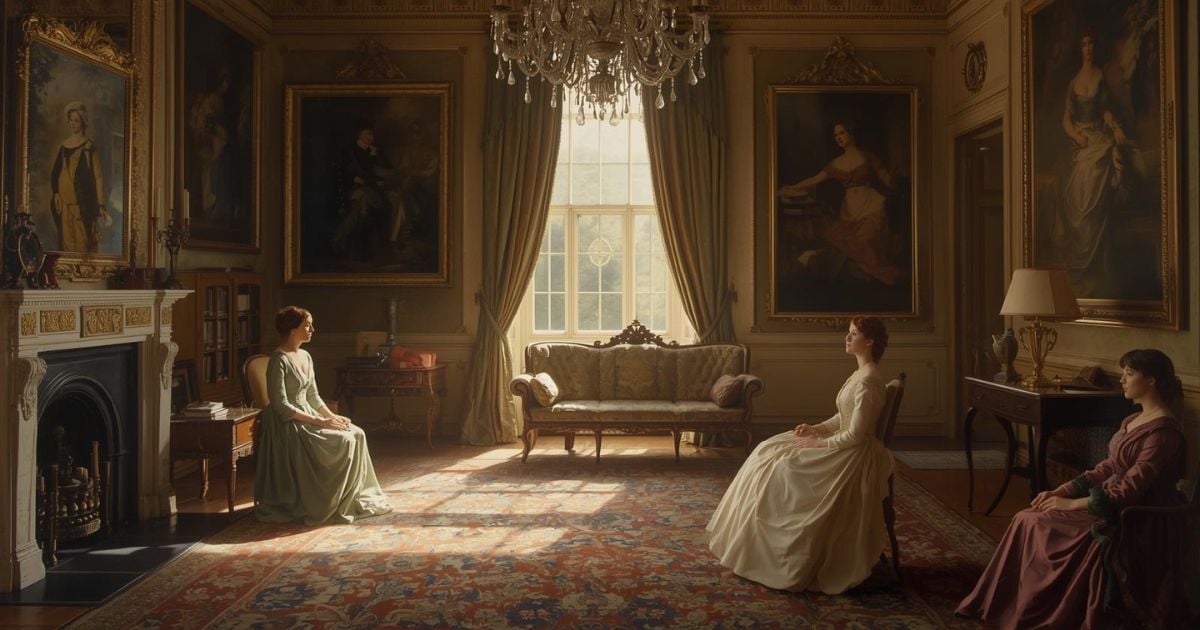
Moderate words are treated as an insult, and the limit inside them is stepped over. Marianne pities Edward for having no taste for drawing. Elinor says he does not draw, but he likes to see other people's work, and he has a simple taste he will not trust himself to speak. Marianne smiles at what she takes for a sister's mistake, and she still honours Elinor for that partiality. Pressed, she will praise his goodness and sense, though not as warmly as Elinor wants. Elinor then says more than she meant. His mind is well informed, his imagination lively, his taste pure, and she thinks him almost handsome. Marianne answers that she will soon think him handsome too, if Elinor tells her to love him as a brother.

Elinor starts at that. She says she thinks very highly of him, that she greatly esteems him, that she likes him. Marianne calls esteem and liking cold-hearted, and worse than cold-hearted, and she will leave the room if those words are used again. Elinor asks her to believe the feeling is stronger than the words. Then she sets the limit. She is by no means sure of his regard. There are moments when it seems doubtful. He is far from independent. From what Fanny has let fall about his mother, a wife without a great fortune or high rank would meet many difficulties. With Mrs. Dashwood and Marianne, to wish is to hope, and to hope is to expect. Marianne is astonished they are not engaged. She still says it certainly soon will happen, and that the delay will give him time to learn to draw.

Fanny takes the first chance to affront Mrs. Dashwood. She speaks of her brother's great expectations, of Mrs. Ferrars's resolve that both sons shall marry well, and of the danger for any young woman who tries to draw him in. Mrs. Dashwood answers with contempt, leaves the room, and resolves that Elinor will not face another week of such hints. In that mood a letter comes from Sir John Middleton, a relation in Devonshire. He offers a cottage on easy terms, and asks them to come to Barton Park and judge whether it can be made comfortable. A few hours earlier, a county so far from Sussex would have been reason enough to refuse. Now that distance is the first recommendation. To leave Norland for ever would hurt less than to stay while Fanny is mistress. Mrs. Dashwood accepts at once and shows the letters to her daughters before the answer goes. Elinor thinks some distance is prudent. The house is small and the rent low, so she does not oppose, though the remove is farther than she wishes, and the plan gives her no pleasure. Edward has not been told. Will the answer go before he hears the word Devonshire?

Amplified Discussion
When Love Meets Logistics

Austen understood something we still struggle with: love doesn't exist in a vacuum. Edward's feelings for Elinor are real, but his mother controls his inheritance, his career prospects depend on family approval, and marriage means financial responsibility he's not sure he can handle. Sound familiar? Today's version might be the care worker who can't commit because education debts demand every extra dollar, or the retail manager whose unpredictable schedule makes dating nearly impossible. We live in a culture that romanticizes love conquering all, but Austen shows us the grinding reality of how economic pressure shapes romantic choices. The difference between then and now isn't the pressure, it's that we pretend it doesn't exist. In 1811, everyone understood that marriage was partly economic; today we're supposed to believe love transcends practical concerns, which makes us feel guilty when money, career, or family obligations influence our relationships. But here's what Austen knew: acknowledging these pressures doesn't make love less real, it makes navigation more honest. When we can name the external forces affecting our relationships, we can address them directly instead of letting them create mysterious distance and misunderstanding.

Explore this chapter with AI to uncover deeper meaning and practical takeaways.

AI Discussion
Why it matters

Write Their Limit Before You Add Soon

Has anyone else noticed how quickly people say it will happen soon, in the next breath after they have been told it is not settled? Elinor says she esteems and likes Edward, that she is not sure of his regard, and that his mother would stand in the way of a wife without fortune or rank, and Marianne calls those moderate words cold-hearted, then says they are not engaged yet but it certainly soon will happen. When someone tells you a plan is not settled, write their limit in their words before you add that it will happen soon.

PracticeWhen someone tells you a plan is not settled, write their limit in their words before you add that it will happen soon.

Psych reading

The Pressure Barrier Effect

External obligations and expectations create emotional distance even in genuine relationships, making authentic connection nearly impossible.

In the mind

This chapter reveals a fundamental pattern: when we love someone who's caught between their heart and their obligations, we end up loving through a wall of unspoken pressure. Edward wants to be present with Elinor, but family expectations about his career and future create an invisible barrier that makes genuine connection nearly impossible. The mechanism works like this: external pressures don't just affect the pressured person, they radiate outward, creating distance and confusion in all their relationships. Edward can't fully engage with Elinor because part of his mind is always calculating what his mother expects, what society demands, what his financial future requires. This split attention creates the restrained warmth Elinor feels, he's emotionally present but practically unavailable. The cruel irony is that the more someone tries to meet external expectations to secure their future, the more they sacrifice the authentic connections that make that future worth having. This pattern shows up everywhere today. The nurse who can't fully invest in friendships because she's always worried about picking up extra shifts to pay off education debts. The factory worker whose relationship suffers because he's constantly stressed about layoffs and can't be emotionally present. The single mom who keeps potential partners at arm's length because she's calculating how dating might affect her custody arrangement or her kids' stability. The small business owner who becomes distant from family because every conversation gets filtered through business worries. When you recognize this pattern, understand that the distance isn't personal, it's systemic pressure creating emotional unavailability. If you're the Edward, be honest about your constraints instead of creating mysterious distance. If you're the Elinor, don't take the withdrawal personally, but do protect your own emotional investment. Set boundaries around how long you'll wait for someone to resolve their external pressures. Most importantly, recognize that some pressures are real and some are imagined, family expectations often feel more binding than they actually are. When you can name this pattern of external pressure creating internal distance, predict how it will affect relationships, and navigate it with both compassion and boundaries. When you can name the pattern, predict where it leads, and navigate it without surrendering your judgment or the people you love, you keep agency instead of letting money, pride, or polite cruelty write the next chapter for you.

Find the right chapter

Each mood maps to a life skill. Each skill connects to the patterns in classic literature.

😔How do you feel😊

Personalize your match

Optional—life stage, what you need today, and what you're navigating help us pick chapters that fit—not generic lists. You may also freeform using the feeling search below.

Sign in to save your profile

Choices stay on this device until you sign in.

Browse the Full Library
4,582Chapters
118+Books
86Authors