
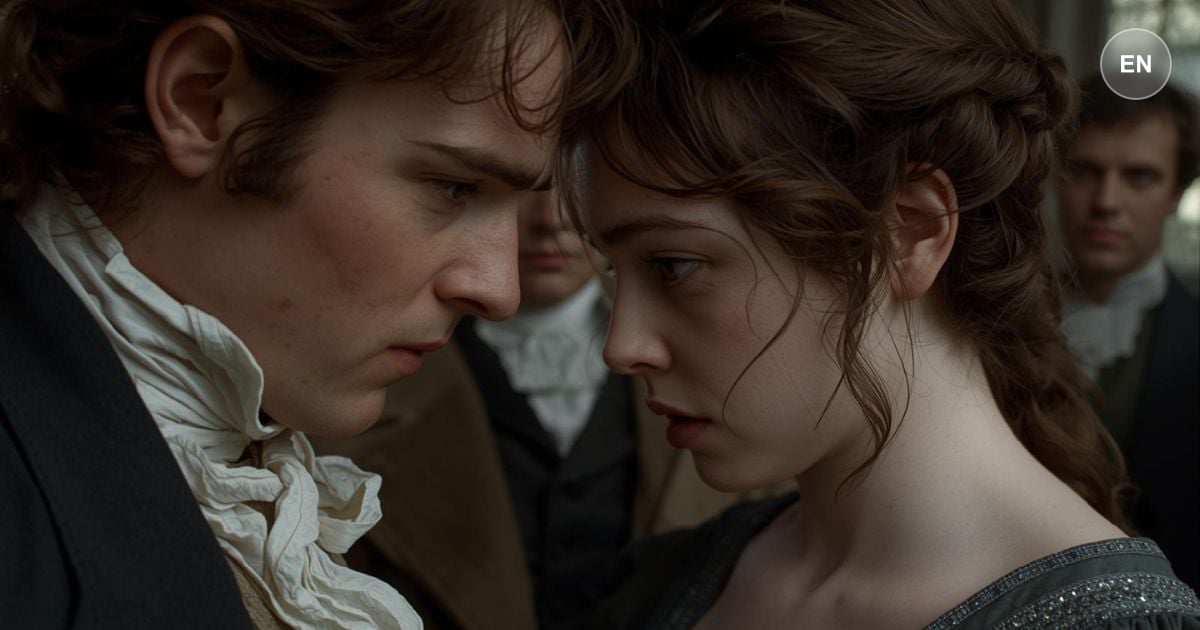
The person who holds the information holds the room. Mr. Bennet has already called on Bingley, among the earliest in the neighbourhood, but he told his wife until the last moment that he would not go. She learns the truth only the evening after, when he finds Elizabeth trimming a hat and says, casually, that he hopes Mr. Bingley will like it.
What follows is a long tease. Mrs. Bennet snaps that they cannot know what Bingley likes since they are not to visit; Elizabeth reminds her of the assemblies and Mrs. Long's promised introduction. Mrs. Bennet attacks Mrs. Long as selfish and hypocritical; Mr. Bennet agrees and scolds Kitty for coughing on her nerves. He then spins out a mock-serious lecture on the sacred forms of introduction, asks Mary for a philosophical verdict (Mary wishes to say something sensible but knows not how), and offers to introduce Bingley to Mrs. Long himself since Mrs. Bennet is not acquainted with him.
Mrs. Bennet declares she is sick of Mr. Bingley. Mr. Bennet replies that had he known that this morning he would not have called, but since the visit is paid they cannot escape the acquaintance now. The astonishment of the ladies is exactly what he wanted; Mrs. Bennet, once her joy subsides, insists she always knew she would persuade him. He tells Kitty she may cough as much as she chooses and leaves, fatigued by his wife's raptures. The rest of the evening is spent guessing when Bingley will return the visit and when to ask him to dinner.
Mr. Bennet's little game with his family reveals something uncomfortable about human nature: we often enjoy having power over others, even people we love. He could have simply told his wife he planned to visit Mr. Bingley, but instead he chose to watch her worry and scheme. This wasn't cruelty exactly - more like the satisfaction of being the only one who knows the punchline to a joke. We see this pattern everywhere in modern life. Managers who could approve time-off requests immediately but wait days, watching employees stress. Doctors who review test results but make patients sit through small talk before delivering news. Even parents who plan surprise trips but let their kids think the family vacation is cancelled. The common thread is information asymmetry creating emotional control. The person with knowledge gets to feel superior and important, while the person waiting feels vulnerable and dependent. What's particularly insidious is how this dynamic can exist within loving relationships. Mr. Bennet does care about his daughters' futures - that's why he visited Bingley. But he still couldn't resist the little power trip of surprising them. It raises questions about whether we can truly love someone while simultaneously enjoying their temporary distress. And it makes us wonder: when we have information others need, do we share it promptly out of respect, or do we sometimes hold back to savor our moment of control?
Explore this chapter with AI to uncover deeper meaning and practical takeaways.
AI Discussion