
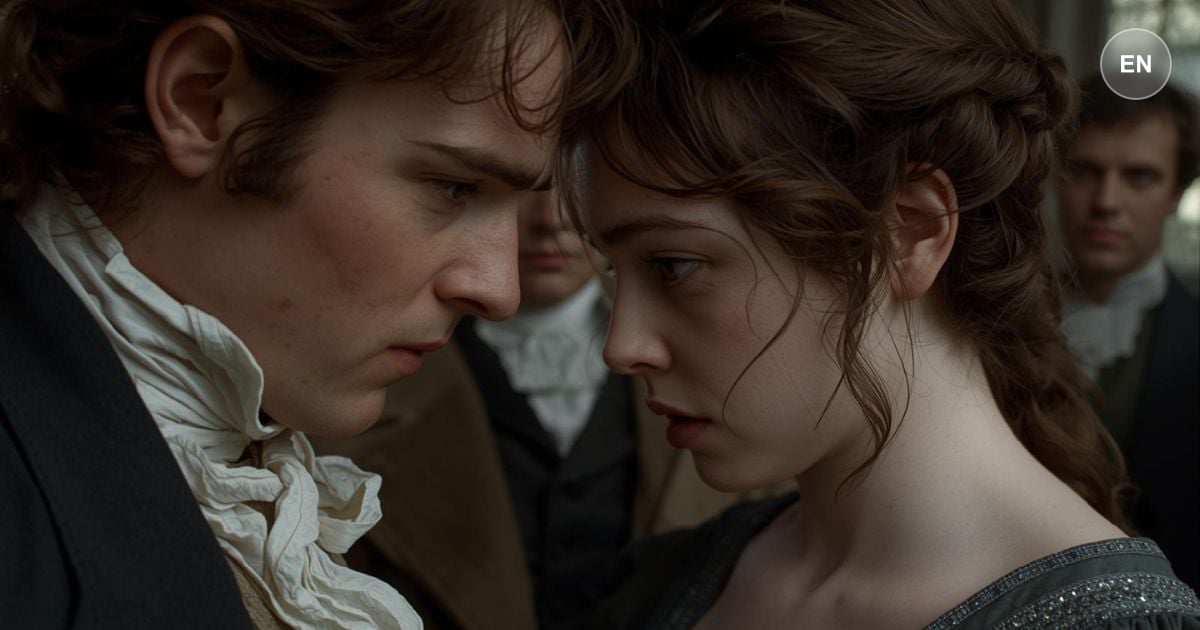
When someone offers the story behind a stare, it can feel like insight before it is proof. The Bennet sisters and Mr. Collins arrive at Mrs. Philips's to find Wickham already there. Collins compares the drawing-room to Rosings until an eight-hundred-pound chimney-piece wins Mrs. Philips over; the girls endure his Lady Catherine monologue until the gentlemen join them.
Wickham outshines the officers and sits beside Elizabeth at lottery. He raises Darcy himself, citing their cold meeting yesterday. Elizabeth says she finds Darcy very disagreeable after four days at Netherfield. Wickham claims he cannot judge impartially, then tells how the late Mr. Darcy was his godfather, how he was raised for the church, and how the present Mr. Darcy denied him a valuable living out of jealousy. Elizabeth remembers Darcy boasting of implacable resentments at Netherfield and condemns him; Wickham looks handsomer than ever.
They discuss Bingley, Darcy's double manner with the rich, and Miss Darcy. Collins's mention of Lady Catherine leads Wickham to reveal she is Darcy's aunt and that a cousin marriage with Miss de Bourgh may unite two estates. Elizabeth smiles at Caroline Bingley's hopes. Supper ends the talk; she rides home unable to think of anything but Wickham's story while Lydia and Collins talk without pause.
Chapter XVI answers the question Chapter XV posed. Yesterday Elizabeth saw colour and a hat; tonight Wickham provides motive. The setting is domestic comedy. Collins and Rosings, whist losses, lottery tickets, noisy supper, while the centre table conversation is serious. Wickham's technique is classic: disclaim impartiality, praise the father, condemn the son, offer detail too specific to feel invented, and let Elizabeth supply corroborating memories. Austen lets Elizabeth be intelligent and wrong at once. The living plot ties Wickham to Pemberley; the Lady Catherine digression ties Collins to Darcy and deflates Caroline Bingley by rumour. The closing sentence is the chapter's verdict: not Darcy's cruelty witnessed, but Wickham's tale absorbed. Readers who know the full novel hear dramatic irony; readers new to the book feel the same certainty Elizabeth does. The audit task for this chapter is not to moralize early but to align summary and quotes with what is actually said here, not to relocate the speech to Chapter XV or invent lines that never appear.
Explore this chapter with AI to uncover deeper meaning and practical takeaways.
AI Discussion