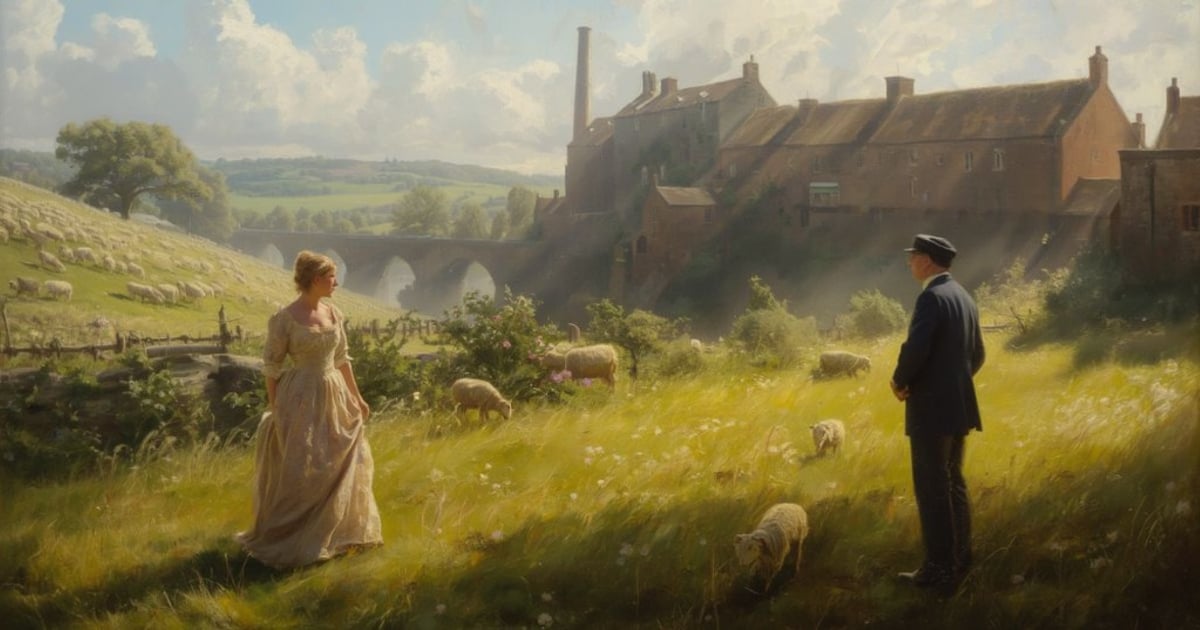
Henry Lennox arrives at the Hale parsonage for an unexpected visit, and what starts as a pleasant day takes an uncomfortable turn. While sketching together in the countryside, Margaret enjoys his company as a friend, but Henry has other intentions. During their walk in the garden, he suddenly declares his love and proposes to her, catching Margaret completely off guard.
She handles the situation with grace but firmness, telling him she's never thought of him as anything more than a friend and cannot return his feelings. Henry's reaction reveals a less attractive side of his character, he becomes cold and sarcastic, making cutting remarks about his own 'folly' as a struggling barrister thinking of marriage. Margaret feels a mix of sympathy for hurting him and contempt for how he's handling the rejection.
The chapter explores the awkward dynamics when friendship crosses into unwanted romantic territory, and how people's true nature emerges under pressure. Margaret's clear self-knowledge and ability to stand firm in her feelings, despite social pressure to be 'grateful' for male attention, shows her strength of character. The incident also highlights class tensions, as Henry's comments about his modest prospects suggest he sees Margaret as somehow beneath his usual social circle, yet still desirable enough to pursue.
Amplified Discussion
The Ego Wound Pattern: When 'No' Reveals True Character
Gaskell captures something timeless about human nature: how people handle romantic rejection reveals who they really are. Henry Lennox's transformation from charming friend to cutting critic happens in minutes, showing that his 'affection' was largely about his own ego. This pattern repeats endlessly in modern workplaces, dating scenarios, and social situations. The person who seemed kind suddenly becomes hostile when told 'no', not because they're heartbroken, but because their pride can't handle being unwanted. What makes this particularly dangerous for working-class people is the power dynamic element. When a supervisor, colleague with influence, or someone who controls your work environment reacts poorly to rejection, the consequences extend far beyond hurt feelings. They might sabotage your projects, spread rumors, or make your work life difficult. The key insight Gaskell provides is that this reaction isn't about love or even genuine disappointment, it's about ego protection. Once you recognize this pattern, you can predict it and protect yourself. Don't apologize for your boundaries. Don't try to soften the blow with false hope. Watch their reaction carefully, because it tells you everything you need to know about their character and how to navigate the relationship going forward.
Explore this chapter with AI to uncover deeper meaning and practical takeaways.
The most honest response to an overture you do not want is usually the hardest to give: something precise enough to be unmistakable but kind enough not to be cruel. In the Helstone garden, Margaret steadies herself against her own fluttering, then tells Henry plainly that she has always thought of him as a friend and would rather keep it that way, naming her own actual feeling before naming what she dislikes about the approach. The next time someone asks for more than you can give, try her sequence: name your real feeling first, say clearly what you cannot do, and let the regret be genuine rather than a way of blurring the no into a maybe.
Lessons
PracticeNext time someone reacts poorly to your 'no,' notice whether they respect your decision or immediately turn critical, this reveals their true character and helps you protect yourself accordingly.
Psych reading
The Wounded Pride Flip
When romantic rejection triggers someone to instantly shift from charm to cruelty as their ego seeks protection through attacking the rejector.
In the mind
This chapter exposes a universal pattern: when someone's romantic advances are rejected, their true character emerges through how they handle the wound to their pride. Henry transforms from charming friend to cold, cutting critic the moment Margaret says no. This isn't about love, it's about ego protection. The mechanism works like this: when we put ourselves out there romantically, we're vulnerable. If rejected, our pride gets bruised. Some people handle this gracefully, accepting the 'no' and preserving the relationship.
Others, like Henry, immediately shift to self-protection mode. They become sarcastic, dismissive, or cruel, not because they're heartbroken, but because their ego can't handle being unwanted. Henry's cutting remarks about his own 'folly' as a poor barrister are really attacks on Margaret's judgment and worth. You see this exact pattern everywhere today. The coworker who asks you out, gets turned down, then suddenly becomes difficult to work with. The friend who confesses feelings, gets rejected, then starts criticizing your life choices.
The dating app match who seemed sweet until you said you weren't interested, then calls you names. The supervisor who made advances, got rebuffed, and now finds fault with everything you do. Each time, watch how quickly 'affection' turns to hostility when pride gets wounded. When you recognize this pattern, protect yourself immediately. Don't apologize for your 'no' or try to soften the blow, that often makes the wounded pride worse. Be clear, be kind once, then watch their reaction carefully.
If they turn nasty, you've learned something crucial about their character. Distance yourself professionally and personally. Their reaction isn't about you, it's about their inability to handle rejection maturely. Margaret's response is perfect: she feels sympathy for hurting him but contempt for how he's handling it. When you can name this pattern, predict where it leads, and navigate it successfully. When you can name the pattern, predict where it leads, and navigate it without losing your judgment or your boundaries, you keep control instead of letting pride or fear write the next move.
Find the right chapter
Each mood maps to a life skill. Each skill connects to the patterns in classic literature.
😔How do you feel😊
Personalize your match
Optional—life stage, what you need today, and what you're navigating help us pick chapters that fit—not generic lists. You may also freeform using the feeling search below.