LIVE
OCD← Home
Noli Me Tángere cover
1887
Noli Me Tángere
José Rizal · The Return of the Prodigal Son
Chapter 2
Ch. 1
Reading
Ch. 2
Ch. 3
Loading audio...
0:000:00

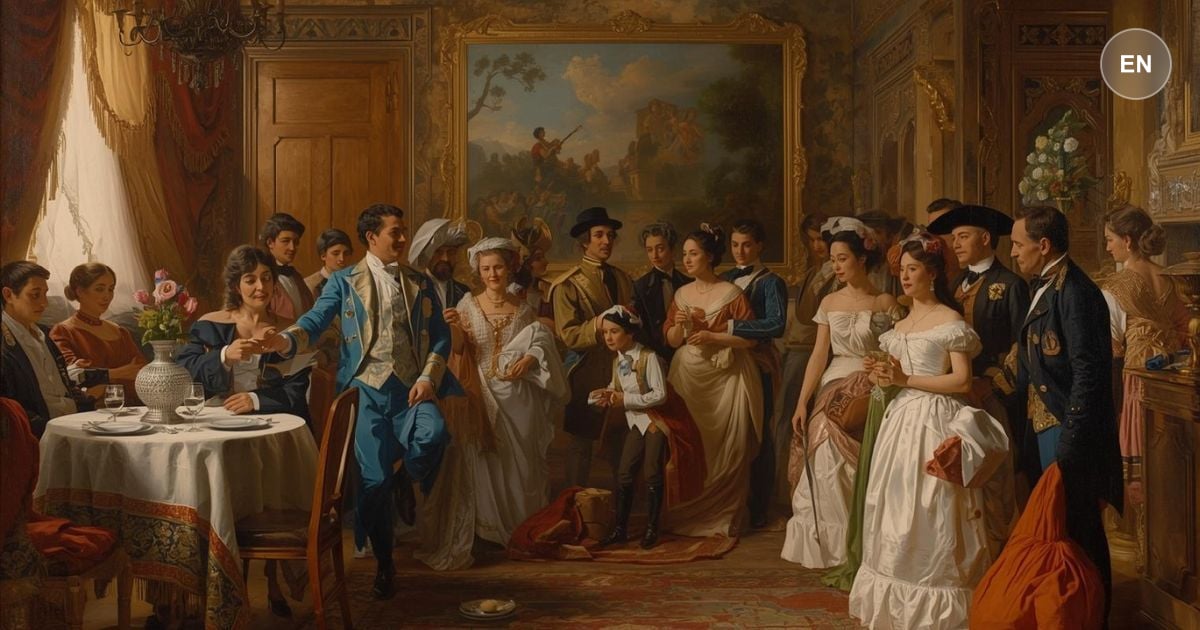
The oil portrait of Capitan Tiago comes alive when he leads in Don Crisostomo Ibarra, returned from seven years in Europe and dressed in mourning. The room reacts as if the name itself were an event: Fray Sibyla stares, Fray Damaso turns pale, and the lieutenant steps forward before etiquette remembers him. Ibarra greets Damaso as his father's intimate friend, only to hear a brutal correction: Rafael Ibarra was never close to him.

The lieutenant breaks in with unexpected warmth, praising Don Rafael as one of the worthiest men in the Philippines and hinting that the son still does not know how his father died. Left without an introducer when Tiago vanishes, Ibarra approaches the silent Filipina ladies and then a semicircle of men, borrowing a German custom to announce himself as Juan Crisostomo Ibarra y Magsalin.

A bitter young poet refuses to write flattering lies after another author was punished for a truthful line about lions. Capitan Tinong of Tondo overwhelms Ibarra with eager hospitality, though the guest must leave for San Diego in the morning. The chapter compresses the shock of return into one doorway: affection met with public disavowal, sympathy offered in a whisper, and a young man already marked by a father's unseen disgrace before he has eaten or learned the facts.

Amplified Discussion
The Isolation Tax of Personal Growth

Rizal understood something brutal about human nature: communities often punish the very people who try to improve them. Ibarra's education should make him valuable to his society, but instead it makes him dangerous. He represents change, and change threatens those who benefit from the current system. This dynamic hasn't disappeared - it's everywhere in modern working-class life. The nurse who speaks up about understaffing gets labelled a troublemaker. The factory worker who suggests safety improvements gets told he's 'not a team player.' The single mum who goes back to school finds some friends treating her like she thinks she's better than them. The pattern is always the same: growth creates distance, and those who challenge systems face swift isolation. But here's what Rizal also shows us - this isolation often signals you're on the right path. When your presence makes corrupt people uncomfortable, when your questions threaten comfortable lies, when your growth highlights others' stagnation - that discomfort is information. It tells you exactly where the power lies and what threatens it most. The question isn't whether you'll face this isolation tax when you grow. The question is whether you'll pay it willingly or let the fear of loneliness keep you small.

Explore this chapter with AI to uncover deeper meaning and practical takeaways.

AI Discussion
Why it matters

Reading Inherited Stigma

A family name can arrive before you do and decide how a room treats you. When Ibarra enters in mourning, Damaso publicly denies friendship with his father while the lieutenant hints at a shameful death Ibarra has not yet been told. When people react strongly to your surname, employer, or neighbourhood, ask what story they heard before they ever met you.

Lessons

Psych reading

Inherited Stigma

Returning to a community that already knows your family's disgrace before you speak.

In the mind

Ibarra steps into Capitan Tiago's sala with European manners and genuine hope, but the room has already judged him by his father's name. Damaso's public denial of friendship is not a private quarrel; it is a social sentence. The lieutenant's sympathy confirms that Rafael was loved by some and destroyed by others, yet even kindness arrives wrapped in warning. Inherited stigma works because communities store stories longer than individuals store facts. You may have changed abroad, but the scandal that broke in your absence still sits in every glance. People do not greet you; they greet the version of you they heard about from priests, neighbours, or employers who profit from your family's fall. Today the pattern appears when a job applicant carries a parent's record, when a whistleblower's child cannot rent in their hometown, or when online rumor outruns any chance to explain. The returning person must decide whether to plead innocence, demand facts, or strategically learn who already chose sides. Ibarra's German-style introduction is both dignity and admission that normal introductions will not be offered. When you reenter a stained context, map allies before debates: who flinched, who stepped forward, who performed neutrality to stay safe. When you can name the pattern, predict where it leads, and navigate it without surrendering your judgment or the people you depend on, you keep agency instead of letting corrupt institutions write the next chapter for you.

Find the right chapter

Each mood maps to a life skill. Each skill connects to the patterns in classic literature.

😔How do you feel😊

Personalize your match

Optional—life stage, what you need today, and what you're navigating help us pick chapters that fit—not generic lists. You may also freeform using the feeling search below.

Sign in to save your profile

Choices stay on this device until you sign in.

Browse the Full Library
4,582Chapters
118+Books
86Authors