
In the afternoon the fair can hear singing inside the hoarding. Arabella's voice rises and falls with the rest, her bosom doing likewise. Two hours later, on the high road to Alfredston, she tells Anny she has seen them. She sang the hymns with all her strength and still thought of him. Anny offers a mourning brooch and a dusk visit to a grave. Arabella has no lock of Cartlett's hair, and says it would be no good. After all the comforts of this religion, she wishes she had Jude back. Passing the lonely house of the pig-killing she can control herself no longer. He is more mine than hers. She flings the remaining tracts into the hedge. She has tried that physic and failed. She must be as she was born.
They overtake a spare elderly man with a basket who is his own housekeeper. It is Phillotson, back at Marygreen on sufferance, fifty pounds after two hundred, because a vicar who knew him before the scandal will still have him. Arabella names herself as the scholar from Cresscombe who married Jude Fawley. She tells him Sue was innocent of what obtained his freedom. He grasped the cart-edge. She wanted to go, he says. You shouldn't have let her. Custom does it. Bondage and a stone-deaf taskmaster. Moses knew. Cruelty is the law pervading all nature and society, Phillotson answers, and they cannot get out of it if they would.
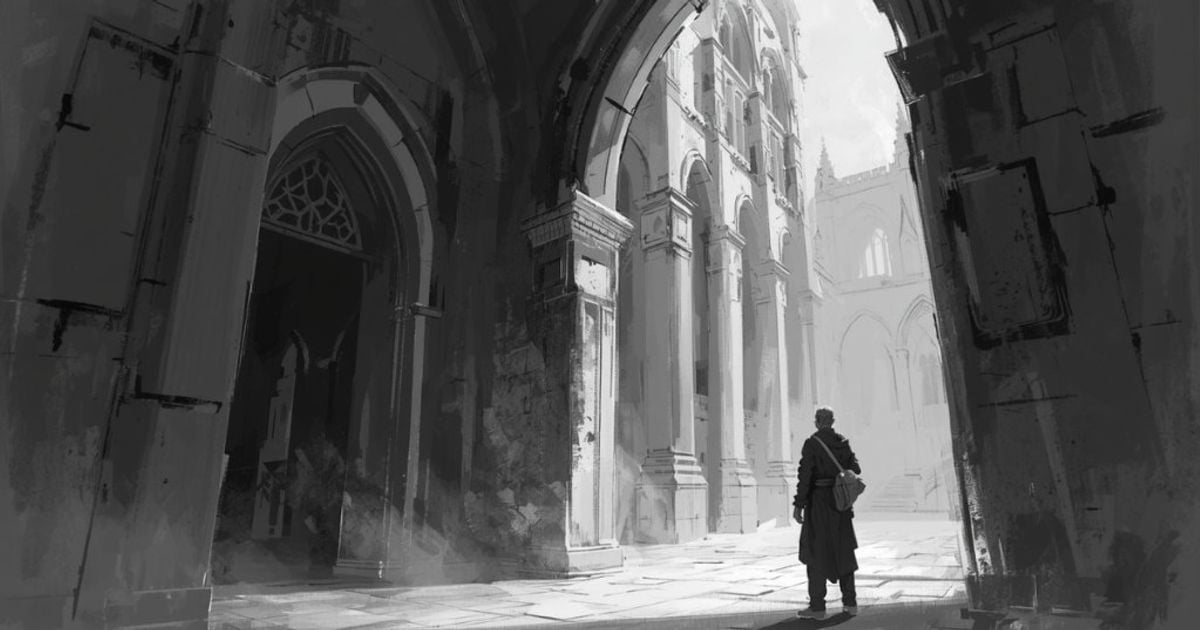
Sue sells every arcade and east window, then meets Mrs. Edlin in a lane with the two little ones. Jude sits in an armchair, expectant and delicate after the long illness. She tells him Arabella is a widow at Alfredston, a dozen miles across the country, and has taken to chapel. His countenance remains clouded. He feels well enough to leave in a week or two. Then he confesses what is in his mind. He would like to go back to Christminster, perhaps to die there, and to be there by a particular day in June. Christminster cares nothing for you, she says. Well, I do, I can't help it. In three weeks they are treading its pavements, taking the sunshine from its wasting walls.
Hardy understood something modern psychology confirms: we're drawn back to our sources of pain not because we're masochistic, but because unfinished business creates psychological tension that demands resolution. Jude returns to Christminster not because he enjoys rejection, but because his identity was forged around that dream—to abandon it completely would mean abandoning himself. This gravitational pull operates in every workplace, every family, every community. The employee who keeps applying to the company that rejected them. The adult child who keeps trying to win a critical parent's approval. The person who returns to their hometown swearing they've changed enough to handle old dynamics. The pattern isn't weakness—it's human. We're meaning-making creatures, and unresolved stories create cognitive dissonance. The danger lies not in the pull itself, but in our tendency to romanticise the source of pain, to remember the dream more clearly than the disappointment. Hardy shows us that sometimes the bravest choice isn't trying again—it's walking away from what consistently diminishes us, even when that thing once represented our highest hopes. The question becomes: Are you returning to complete unfinished business, or are you returning because you can't imagine yourself without that particular form of suffering?
Explore this chapter with AI to uncover deeper meaning and practical takeaways.
AI Discussion