LIVE
OCD← Home
Frankenstein cover
1818
Frankenstein
Mary Shelley · The Creature's First Days. Learning to Exist
Chapter 15
Ch. 14
Reading
Ch. 15
Ch. 16
Loading audio...
0:000:00

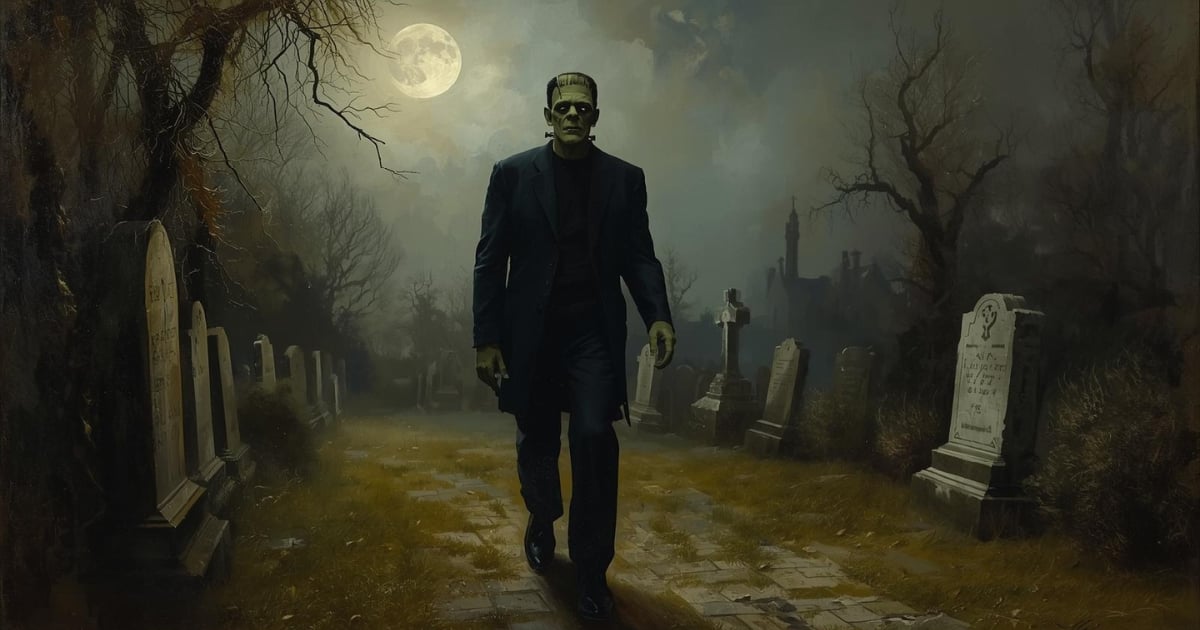
The creature cannot clearly remember his first hours. Light, sound, smell, and touch arrive together. He finds himself in the forest near Ingolstadt, drinks from a brook, eats berries, and weeps when night and cold come at once. A cloak under a tree, the moon, and the songs of birds become his first distinct pleasures. He learns, by burning his hand, that the fire left by beggars both comforts and wounds, and he learns to dry wet wood so the flame will last.

When food fails he leaves the fire he cannot remake and walks three days into snow. An old shepherd shrieks and runs from a hut. The creature eats the abandoned breakfast and later enters a village. Children scream. A woman faints. Stones drive him into a low hovel built against a neat cottage. He calls it shelter from the weather and, still more, from the barbarity of man.

Through a filled-up window he watches a household. A girl with a pail, meanly dressed and sad, meets a young man who takes the burden from her head. An old man with silver hair plays an instrument until she kneels, weeping, and is raised with a smile. The creature feels a mixture of pain and pleasure he has never had from food or cold, and he has to look away. At night they prolong the light with tapers. The youth utters sounds that are not music. The creature does not yet know these are words. The family put out the lights and, as he guesses, go to rest.

Amplified Discussion
What Makes a Monster?

Shelley wrote Frankenstein during the Industrial Revolution, when new technologies were transforming society at breakneck speed. People feared that scientific progress might create problems humanity couldn't control. Sound familiar? Today we're living through our own technological revolution. AI, genetic engineering, social media algorithms, and asking the same questions. What happens when our creations start making decisions we didn't anticipate? The creature in Frankenstein isn't born evil. He becomes destructive because he's abandoned by his creator and rejected by society. He learns cruelty from humans, then amplifies it. This pattern shows up everywhere in modern life. Kids in failing schools don't become problems because they're inherently bad, they adapt to environments that offer few positive options. Neighborhoods don't become dangerous because residents are naturally violent, they respond to decades of disinvestment and neglect. Even our technologies reflect this pattern. Social media algorithms weren't designed to spread misinformation, but they learned that outrage keeps people scrolling. AI hiring systems weren't programmed to discriminate, but they learned from biased historical data. The real question isn't whether our creations will reflect our flaws, it's whether we'll take responsibility for teaching them better, or abandon them like Victor abandoned his creature.

Explore this chapter with AI to uncover deeper meaning and practical takeaways.

AI Discussion
Why it matters

Reading the First Lesson a Face Teaches

A first look can teach someone what they are worth faster than any later kindness. The creature burns his hand, then meets a shepherd who shrieks and a village that answers with stones, and he hides from the barbarity of man before he has a word for man. Before you decide a stranger is dangerous, notice what your face and your room taught them in the first minute.

Lessons

PracticeThis week, notice when someone's 'bad' behavior might actually be a logical response to a toxic environment.

Psych reading

The Mirror Effect

We form our identity not through self-discovery but through internalizing how others react to us, making their perceptions our reality.

In the mind

This chapter reveals a fundamental truth about human development: we don't discover who we are in isolation, we learn who we are through how others react to us. The creature's awakening shows us the mirror effect in action. Every human interaction becomes a reflection that shapes self-perception. The mechanism works like this: we're born curious and open, seeking connection. But the world's reactions, fear, acceptance, disgust, love, become our internal voice. The creature doesn't know he's 'monstrous' until he sees terror in human faces. Their horror becomes his shame. Their rejection becomes his self-hatred. This isn't unique to fictional monsters, it's how all identity forms. We internalize the reactions we receive and mistake them for truth about ourselves. This pattern dominates modern life everywhere. At work, you might excel at your job but if colleagues treat you like you don't belong, you start doubting your competence. In healthcare, patients often feel like burdens because staff treat them as inconveniences rather than people. In relationships, partners who constantly criticize create self-doubt that outlasts the relationship. On social media, likes and comments become external validation that shapes self-worth. The creature watching the family through the wall is like scrolling through others' happy posts, observing connection while feeling excluded. Recognizing this pattern is your first defense. When you feel diminished by someone's reaction, ask: 'Is this about me, or about them?' Document your own experiences and achievements independent of others' responses. Build relationships with people who see your worth, their positive mirrors matter more than random critics. Most importantly, remember that first impressions often reveal the observer's limitations, not your reality. The humans who fled from the creature couldn't see past appearance to recognize his intelligence and longing for connection. When you can name the pattern, that others' reactions become our self-concept, predict where it leads, either toward growth or self-destruction, and navigate it successfully by choosing your mirrors wisely. When you can name the mirror effect, predict how rejection hardens need into rage, and intervene with guidance instead of horror, you prevent innocence from becoming revenge. When you can name the mirror effect, predict how rejection hardens need into rage, and intervene with guidance instead of horror, you prevent innocence from becoming revenge.

Find the right chapter

Each mood maps to a life skill. Each skill connects to the patterns in classic literature.

😔How do you feel😊

Personalize your match

Optional—life stage, what you need today, and what you're navigating help us pick chapters that fit—not generic lists. You may also freeform using the feeling search below.

Sign in to save your profile

Choices stay on this device until you sign in.

Browse the Full Library
4,582Chapters
118+Books
86Authors