
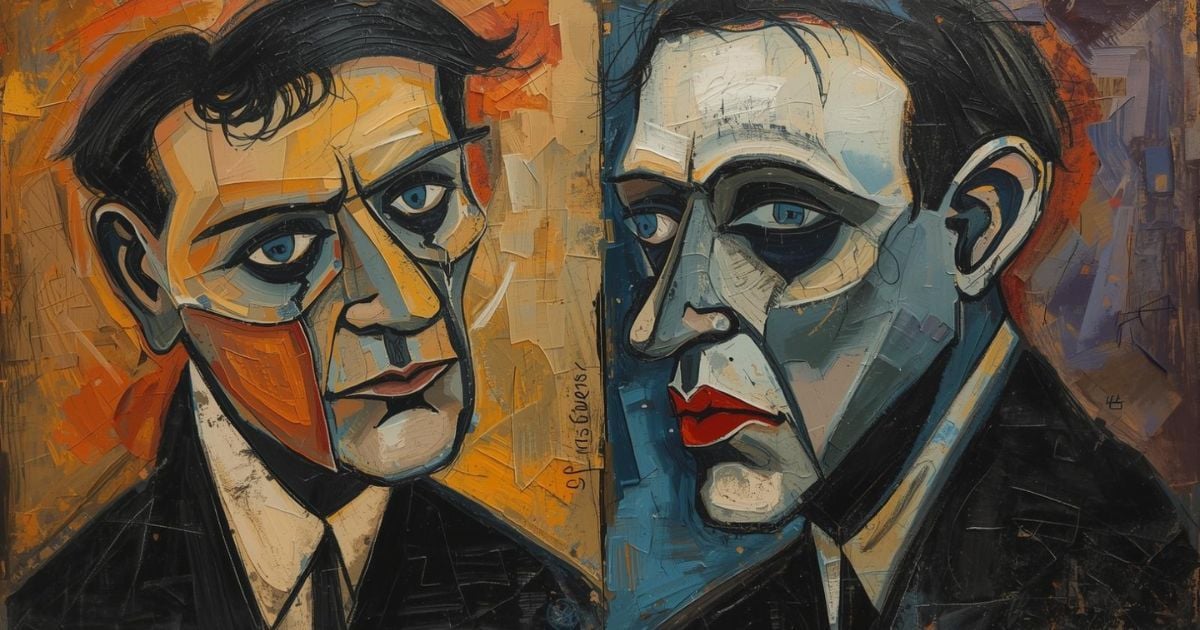
Lanyon dined with Jekyll the night before. Then a registered letter arrives, as if they were not old friends at all. My life, my honour, my reason, are all at your mercy. If you fail me to-night, I am lost. Force the cabinet. Take the fourth drawer, powders, phial, and book, exactly as it stands. At midnight, alone, let a man in who comes in my name, and put the drawer in his hands. If that night passes without event, you will know that you have seen the last of Henry Jekyll. Lanyon is sure his colleague is insane. An appeal so worded cannot be set aside. He takes a cab.
Poole is already waiting with a locksmith. After two hours the door stands open. The drawer goes home in a sheet. The powders look home-made. The red liquor smells of phosphorus. The book is dates, then a stop nearly a year ago, a few marks that say double, and once, early, total failure. Why must the messenger come in secret? Lanyon sends the servants to bed and loads an old revolver. At twelve the knocker sounds very gently. A small man crouches by the pillars, clothes of rich cloth hanging off him, rolled at the ankle, collar sprawling. A policeman's lamp moves in the square, and the visitor hurries. Have you got it? He lays a hand on Lanyon's arm. The touch is ice. The sheet comes off, and the man sobs with relief, then asks for a glass. Red goes to purple, then to a watery green. He smiles, and turns.
Will you be wise? Will you let me take this glass and go? Or has curiosity too much command of you? Stay, and a new province of knowledge opens here, upon the instant. Lanyon affects a coolness he does not feel. I have gone too far in the way of inexplicable services to pause before I see the end. It is well, says the visitor. Behold. He drinks at one gulp. He seems to swell. The face goes black and melts. Lanyon leaps back against the wall. O God, he screams, and O God again. There, pale and groping like a man restored from death, stands Henry Jekyll. What was said in the next hour, Lanyon cannot set on paper. He saw what he saw. He asks himself if he believes it, and he cannot answer. Sleep has left him. The deadliest terror sits by him at all hours. His days are numbered. And yet I shall die incredulous. He will say only one thing to Utterson. The creature who crept into the house that night was, on Jekyll's own confession, Hyde, hunted as the murderer of Carew.
Dr. Lanyon's destruction reveals a brutal truth about loyalty: sometimes the kindest thing you can do for someone is refuse to help them. Lanyon thinks he's being a good friend by honoring Jekyll's desperate request, but he's actually enabling Jekyll's dangerous experiments. His compliance doesn't save Jekyll - it destroys them both. This pattern plays out constantly in working-class communities where loyalty runs deep. The single mother who keeps lending money to her gambling-addicted brother, telling herself she's helping when she's actually funding his addiction. The factory worker who covers for his drinking buddy's missed shifts, believing he's showing solidarity when he's enabling the friend's spiral toward getting fired. The healthcare aide who stays silent about a colleague's drug theft because 'snitching' feels like betrayal, not realizing her silence puts patients at risk. Real loyalty sometimes means saying no. It means refusing to be complicit in someone's self-destruction, even when they beg you to help them destroy themselves. The hardest lesson Lanyon teaches us is that love without boundaries isn't love at all - it's enabling disguised as friendship. True friends don't ask you to ignore your conscience or compromise your safety for their convenience.
Explore this chapter with AI to uncover deeper meaning and practical takeaways.
AI Discussion