
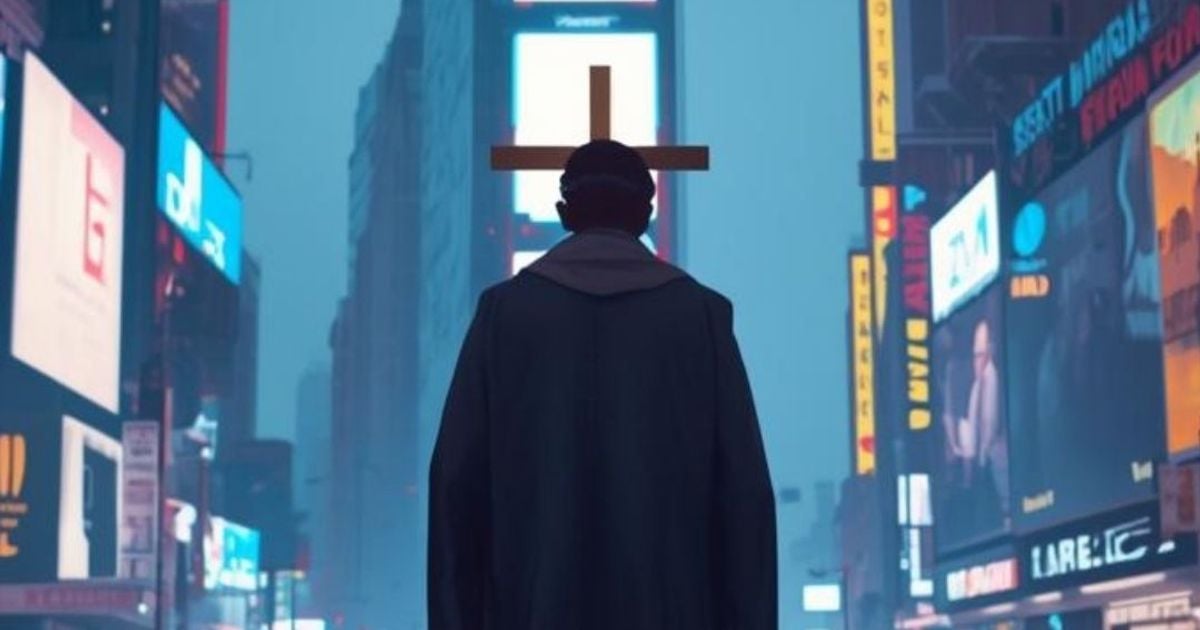
A third kind of suffering and pain in this night comes from two extremes meeting in the soul: the Divine and the human. The Divine is purgative contemplation. The human is the subject, that is, the soul. Those two do not sit side by side. They collide inside one person.
The Divine strikes in order to renew the soul and make it divine, stripping it of the habitual affections and attachments of the old man. The stripping is so complete and profound that the soul seems dissolved and melted away, in the presence of its miseries, in a cruel spiritual death. It is as if it had been swallowed by a beast and felt itself being devoured in its belly, as Jonah felt in the belly of that beast of the sea.
It is in this sepulcher of dark death that the soul must needs be in order that it may attain to the spiritual resurrection which it hopes for. Saint John will not soften the collision. God's purging and human frailty meet, and the meeting feels like being eaten. Death-like undoing is not the opposite of resurrection. It is the place where resurrection is reached. The belly of the beast is the tomb. The tomb is the way through. Renewal comes by that stripping, not around it.
John understood something we still struggle with today: we cling to familiar suffering rather than risk unknown transformation. In his time, people built their entire identities around social roles—peasant, merchant, noble—just like we build ours around job titles, relationship status, or family roles. The dissolution he describes isn't mystical; it's the universal human experience of outgrowing who we thought we were. Consider how many people stay in jobs that drain them, relationships that diminish them, or habits that harm them, simply because the alternative feels like death. We'd rather be miserable in a familiar way than risk becoming someone we don't yet know. Juan's insight is that this resistance to dissolution is exactly what keeps us stuck. The caterpillar doesn't choose to become soup—it's programmed into the process. But humans have consciousness, which means we can fight our own metamorphosis. We can spend decades rebuilding the same limiting structures instead of letting them stay dissolved long enough for something new to emerge. The dark night isn't punishment for being human; it's the natural result of consciousness encountering its own limitations. When life strips away everything you thought you were, the question isn't how to get back to who you used to be. The question is: who are you becoming?
Explore this chapter with AI to uncover deeper meaning and practical takeaways.
AI Discussion