
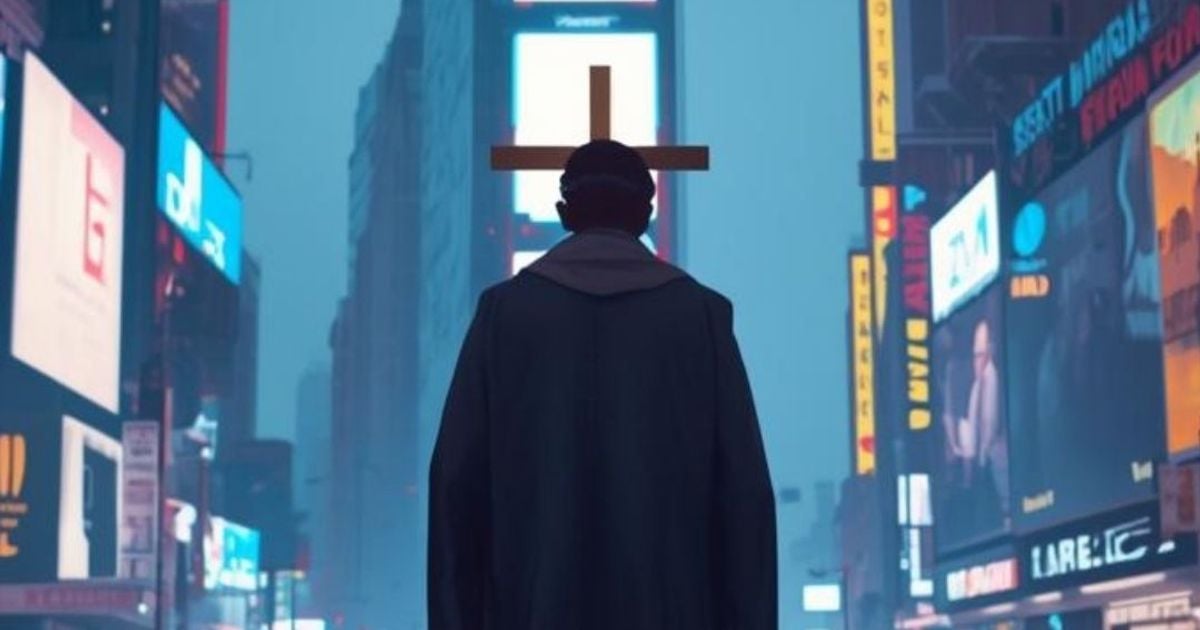
The night of sense may and should be called a kind of correction and restraint of desire rather than a full purgation. The imperfections and disorders of the sensual part have their strength and root in the spirit, where all habits, good and bad, are brought into subjection. Until those are purged, the rebellions of sense cannot be purged thoroughly. What felt like a finished night was only the surface being held in check.
In the night that follows, sense and spirit are purged together. That is why it was well to pass through the corrections of sense first and then enter this night of the spirit. The deeper night is not a repeat of dryness. It is the root being treated, not only the appetite.
This dark night is an inflowing of God into the soul, which purges ignorances and imperfections habitual, natural, and spiritual. Contemplatives call it infused contemplation, or mystical theology. Herein God secretly teaches the soul and instructs it in perfection of love without its doing anything, or understanding of what manner this infused contemplation is. Saint John is naming a deeper healing: God comes in, the soul does not manufacture the lesson, and the old night of sense was only the door.
John of the Cross identified something that modern self-help culture desperately needs to understand: the difference between managing problems and actually resolving them. We live in a world obsessed with techniques, hacks, and quick fixes. Anxiety? Here's a breathing exercise. Bad relationship? Here are communication skills. Career stuck? Here's a networking strategy. These aren't wrong, but they often trap us in what Juan calls the 'night of the senses' - working on what we can see and control while the deeper drivers remain untouched. The self-help industry profits from this cycle because surface fixes feel productive and require constant maintenance. You buy the book, apply the technique, see improvement, then need the next book when the old patterns resurface. Juan suggests something more radical: some healing can't be forced or managed. It requires what he calls 'infused contemplation' - creating space for insights that emerge from beyond our conscious efforts. This isn't mystical nonsense; it's recognizing that our deepest patterns were formed below the level of conscious choice and often need to be transformed at that same level. The question isn't whether we need practical tools, but whether we're using them to avoid or enable the deeper work of actual transformation.
Explore this chapter with AI to uncover deeper meaning and practical takeaways.
AI Discussion