
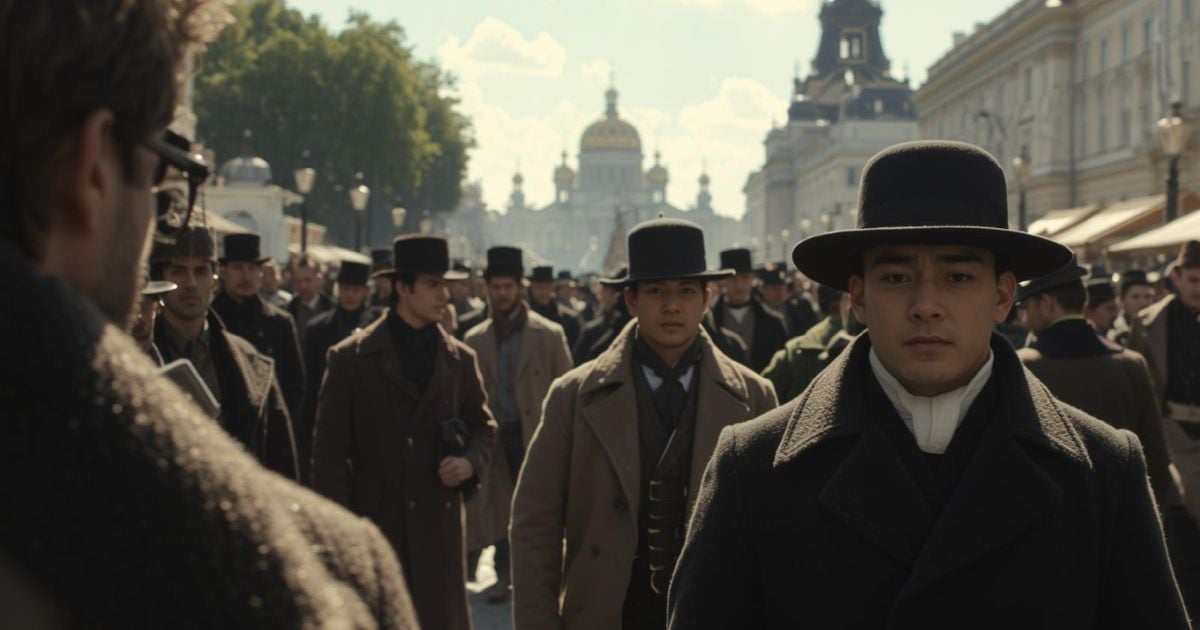
Raskolnikov wakes late in his coffin-sized room, bilious and irritable, relieved only by the squalor that matches his monomaniac focus on one secret obsession. The landlady has stopped sending meals. Nastasya brings stale tea, warns she may go to the police over rent, and mocks him for loafing while he claims he is thinking. He says plainly that he wants a fortune. She remembers a letter delivered yesterday. He pays three copecks, drives her out, kisses the envelope, and opens two densely written sheets from his mother Pulcheria in the province.
The letter unpacks months of silence. Dunya endured Svidrigailov's advances at her governess post. The family deceived Rodya about where the sixty roubles came from, because they knew he would walk home if he heard the whole truth. After Marfa Petrovna wrongly blamed Dunya and the town shunned them, vindication came through servants' testimony and Dunya's own fiery refusal letter, which Marfa then read from house to house. Pulcheria thinks the public readings were superfluous, but they restored Dunya's name and left the disgrace on her husband. She went first to the Cathedral and prayed, then drove about the town for days because some houses took offence at the order of the readings. Pulcheria writes as if they may now congratulate themselves on their good fortune.
Now Luzhin, a forty-five-year-old counsellor with two government posts, wants Dunya as wife: a respectable bride without dowry, trained by poverty to see her husband as benefactor. Dunya slept on it, prayed before the ikon, and accepted. Mother adds that she may refuse to live with them after the wedding, that Petersburg travel is arranged through Luzhin's connections, and that Dunya already dreams of making Rodya his clerk and even a partner. Luzhin was cautious, as though university work might leave no time for the office.
Raskolnikov's face is wet with tears, then pale with a bitter malignant smile when he finishes. The cupboard room feels unbearable. He takes his hat and walks Vassilyevsky Prospect muttering aloud, forgetting his usual dread of human contact, until passers-by assume he is drunk. His eyes and his mind crave for space. He has forgotten even his dread of meeting anyone on the stairs.
Pulcheria Raskolnikov writes like a mother who would die for her children, and she probably would. That is what makes the letter devastating. She also writes like a woman who has already spent her daughter's future to keep her son afloat. She hid Dunya's pain, lied about the sixty roubles, and now presents Luzhin's proposal as providence rather than panic. Dunya's answer, words are not deeds, is the chapter's quiet warning. Families under pressure often ask one person to absorb the cost so the others can keep their self-image intact. The hope child gets praise. The sacrificing child gets called noble. Nobody says the word transaction out loud. Raskolnikov feels this instantly, which is why he weeps and then snarls in the same scene. He cannot accept a gift that requires Dunya to live with a man she does not respect. He also cannot repay what has already been spent. That deadlock is the chapter's engine. It pushes him out of the room and back into the city, where love has turned into pressure and pressure is looking for an outlet.
Explore this chapter with AI to uncover deeper meaning and practical takeaways.
AI Discussion