
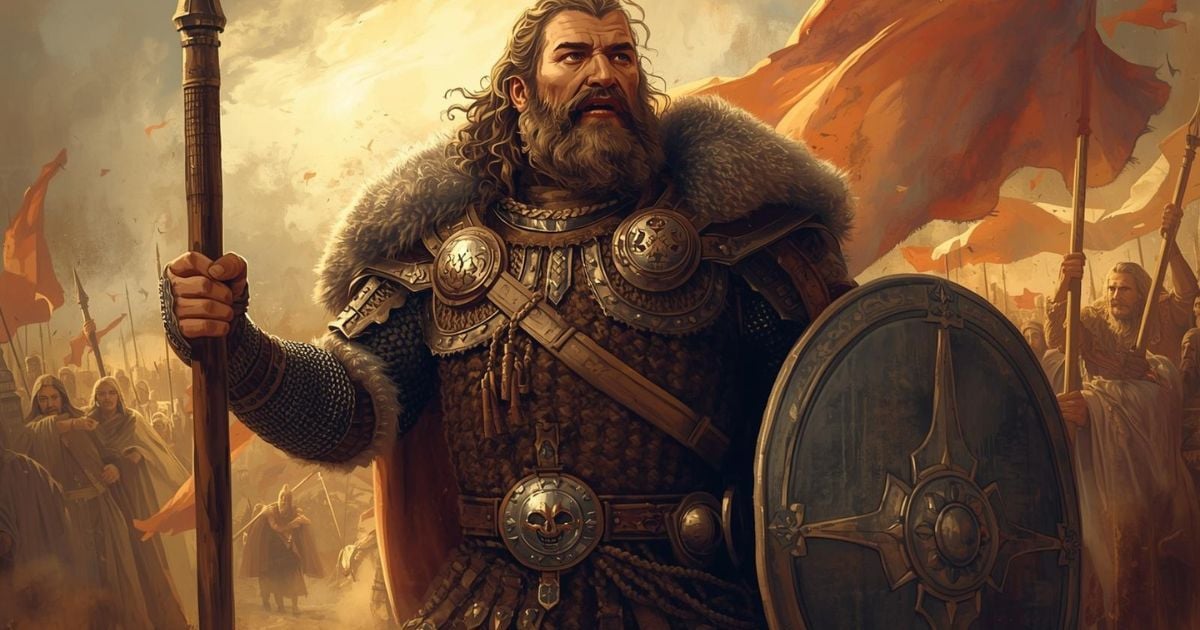
With Beowulf dead and the dragon defeated, someone has to step up and take charge. That someone is Wiglaf, the young warrior who stood by his king when everyone else ran. This chapter shows what real leadership looks like in the aftermath of tragedy. Wiglaf doesn't waste time on blame or self-pity. Instead, he focuses on what needs to be done: honouring Beowulf's final request for a proper burial and funeral pyre.
He takes charge of gathering the dragon's treasure, organizing the other warriors, and making sure his fallen king gets the send-off he deserves. The poet reflects on the curse that supposedly protects treasure hoards, but notes that Beowulf didn't die for greed, he died protecting his people. This distinction matters because it shows the difference between selfish ambition and noble sacrifice. Wiglaf's speech to the other warriors is a masterclass in crisis leadership. He doesn't sugarcoat the situation or pretend everything will be fine.
He acknowledges the harsh reality: their beloved king is dead, and they couldn't talk him out of this dangerous mission. But instead of dwelling on regret, he channels everyone's energy into action. He organizes teams to gather wood for the funeral pyre and to collect the treasure that Beowulf died to win for his people. The chapter ends with the dragon's body being pushed over a cliff into the sea, a symbolic cleansing, while the treasure is loaded onto wagons.
Beowulf's body is carried to Whale's Ness, where his final ceremony will take place. This moment shows how communities process grief and loss: through ritual, through honouring the dead, and through the emergence of new leadership when the old guard falls.
Beowulf reveals something uncomfortable about leadership: the people who step up when everything falls apart are often not the ones holding titles when everything is fine. Wiglaf wasn't next in line for the throne. He was just the guy who stayed when others ran, and who saw what needed doing when the king died. This pattern repeats endlessly in life on a wage. The charge nurse who coordinates during the emergency call isn't necessarily the one with seniority. The neighbour who organizes meal trains after a family tragedy isn't the residents' association chair. The coworker who figures out the new system when management provides no training isn't the team leader. Crisis strips away the comfortable hierarchies and reveals who actually has the skills and willingness to lead. It's messy and uncomfortable because it means the person you thought was in charge might crumble under pressure, while someone you barely noticed might turn out to be exactly who you need. This creates a paradox: we often promote people during calm times based on credentials and politics, but we need them most during chaos when only character and competence matter. The question becomes: are you developing the kind of leadership that emerges naturally in crisis, or just the kind that looks good on paper?
Explore this chapter with AI to uncover deeper meaning and practical takeaways.
AI Discussion