
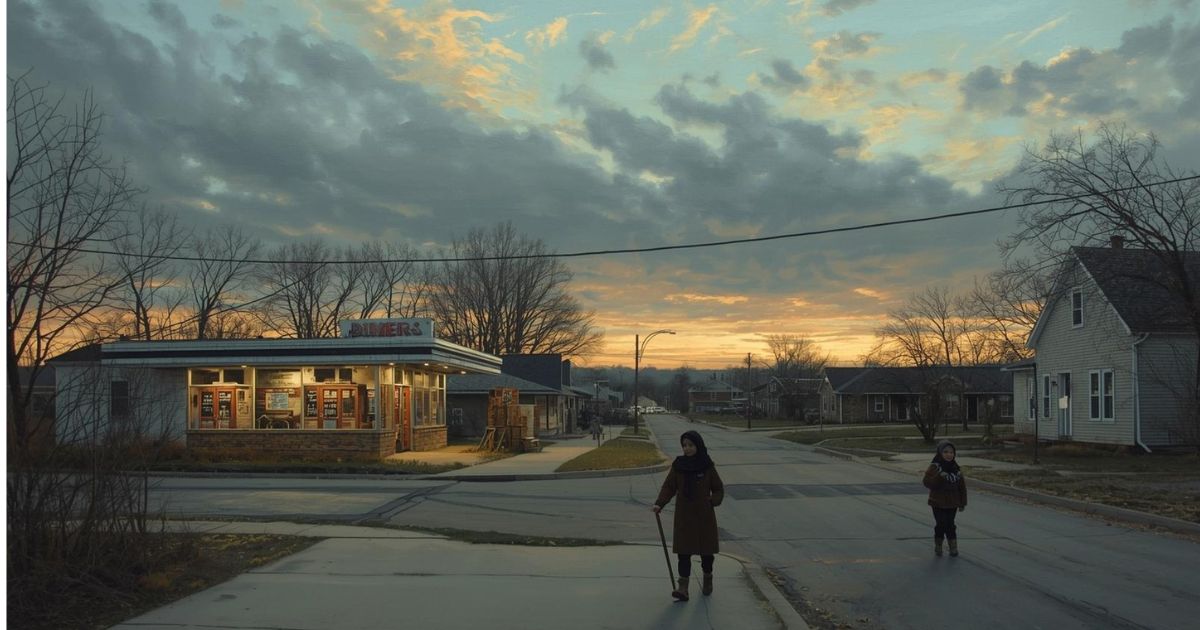
Alice sits crooning on the veranda in the dusk. She tells her mother she is happier than she ever dreamed, though they are not engaged. But she has spoiled things in a thousand small ways. Russell is so honestly what he is that she feels a tricky mess beside him, and she fears he would not like her if he really knew her. Her mother says it is time they asked him to dinner. Doing nothing looks queer, she says, and poverty-stricken. Malena Burns, a cook who goes out by the day, can bring a waitress. Alice does not want it, but agrees to ask him for tomorrow.
Around the side of the house Adams is almost shouting at Walter. Walter has not come to ask for a place at the plant. Quietly, he says he must have three hundred and fifty dollars. He will not say what for. 'I got to have it,' he repeats. He adds that Lamb spoke to him yesterday, by name, and asked about his work. Adams has no money to spare; he must go to the bank just to meet his payroll. Walter says flatly that neither of them ever did much for him, and walks off into the dark. His mother wonders aloud if he has bad associates. Then she asks for money for the dinner. Adams protests about the fuss, the old dress suit and the pretence. Does she want Russell to think this is how they live every night? He will learn otherwise soon enough. In the end she gets fifteen dollars.
Next morning Alice stands in the living-room staring at the hideous plush chairs. Her thoughts tumble: the soot on the columns, the long crack, what he will think of papa. She knows she is responsible for what he expects; her own airs have made him expect it. She never told him she had not been to the Sainte-Chapelle. She goes to wake Walter and finds his bed slept on and his closet empty. She decides he has taken his suits to be pressed, without noticing that his shoes are gone too.
Her mother comes home with a basket and a menu: caviar sandwiches, soup, sweetbread pâtés, larded fillet, Brussels sprouts because they are fashionable, chicken salad, ice-cream and angel cake. Alice asks whether it is too much. Better too much than too little, her mother says; they do not want him to think they skimp. Alice arranges the cheap roses to look like more, then scrubs the floors on her hands and knees. At noon her mother finds her pale and asks why she does not look happy. Of course she is looking forward to it, Alice says, and tries to smile.
Alice Adams reveals something brutal about class mobility: the energy required to 'fake it till you make it' often prevents actually making it. Alice spends so much effort performing sophistication that she can't invest in real advancement. Her mother bankrupts the family hosting one dinner to impress Russell, money that could have helped Walter's crisis or Adams's business. This isn't about moral failure, it's about the impossible math of social climbing. When you don't have generational wealth or connections, you're constantly calculating: Do I spend money on looking the part or being the part? The cruel irony is that authentic connection often requires dropping the performance, but dropping it feels like social suicide. Today's gig economy amplifies this pressure. Temp workers, contractors, and service employees constantly perform competence and stability they don't feel. The LinkedIn profile that overstates experience, the work wardrobe bought on credit, the networking events that cost a day's wages, all investments in an image that might never pay off. Meanwhile, real problems, family crises, health issues, skill development, get deferred for performance maintenance. Alice's story suggests that the performance trap is most dangerous when it becomes automatic, when we're so busy maintaining an image that we forget why we started performing in the first place.
Explore this chapter with AI to uncover deeper meaning and practical takeaways.
AI Discussion