
For days Heathcliff shuns meals yet will not banish Catherine and Hareton from the table. He wanders out at night and returns wild with a strange gladness: Catherine meets him at the gate and he tells her to begone, looking almost bright and excited rather than his usual morose self. Nelly offers breakfast; he trembles at the door, refuses food with contempt, and tells her he was on hell's threshold yesterday and is within sight of heaven today before ordering everyone to leave him alone.
He sits at breakfast staring at something invisible two yards away, clenches before reaching bread, and mutters Catherine's name through the night as if she were present in the room below. He talks of wills and Mr. Green while eating almost nothing, confessing his soul's bliss kills his body but does not satisfy itself. Nelly finds him dead before dawn in the panelled bedchamber, window open to the rain, face fixed in an exulting sneer that will not close despite her attempts. Joseph calls it the devil's work and grins in mockery; Hareton weeps all night over the sarcastic face everyone else shrinks from.
They bury Heathcliff without a minister, as he wished, beside the other sleepers while Hareton lays green sods over the brown mould with a streaming face. Country tales say he walks with a woman on the moor; a shepherd boy swears he cannot pass them under the nab. Nelly tells Lockwood the young couple will marry on New Year's Day and move to the Grange while Joseph keeps the kitchen. Revenge ends not in triumph but in starvation, hallucination, and a grave beside the woman who haunted him.
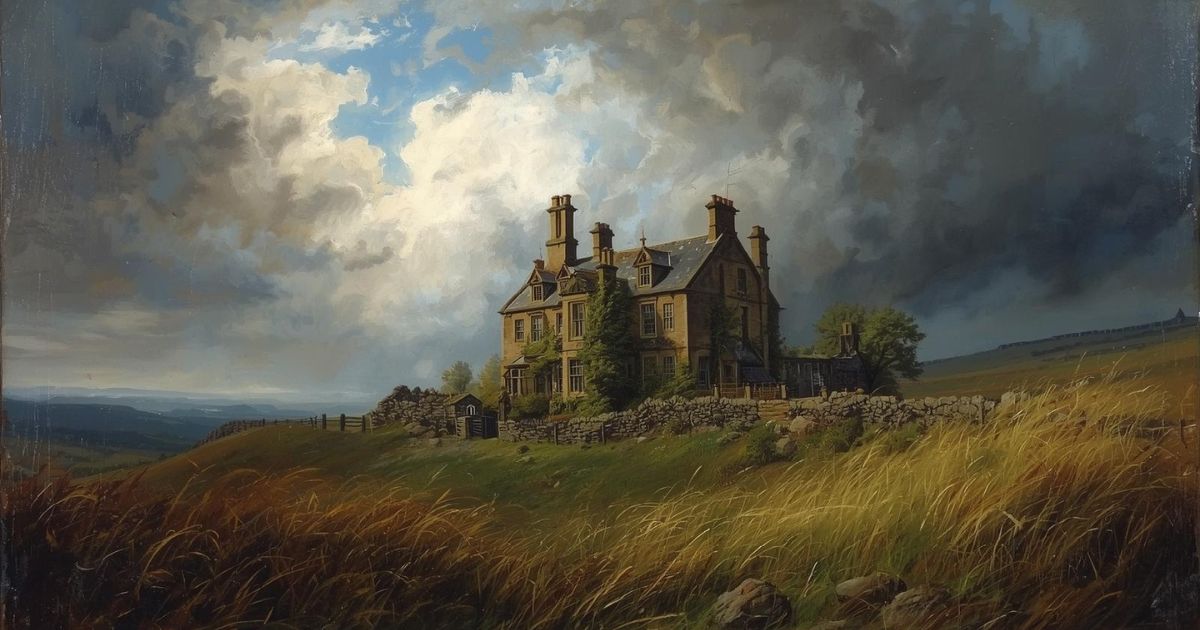
Lockwood, tipping Joseph and fleeing their moonlit return, visits the three headstones on the slope next the moor and wonders how anyone could imagine unquiet slumbers in that quiet earth. Edgar Linton's stone harmonizes with turf and moss; Heathcliff's remains bare while moths flutter among heath and harebells under a benign sky. The frame narrator closes the book where it opened, listening to soft wind through grass, and asks whether passion ever rests.
Heathcliff stops eating with the household, sees joy where others see nothing, and lives as if Catherine Earnshaw were already within reach. His body fails while his mind stays fixed on reunion. The pattern is an obsession that survives victory: the young lovers inherit the future, and the avenger cannot convert hatred into rest, so he starves toward the one wish left. You see it when someone keeps fighting after the war is over, because the fight was never about the enemy but about a loss that no estate can replace.
Explore this chapter with AI to uncover deeper meaning and practical takeaways.
AI Discussion