
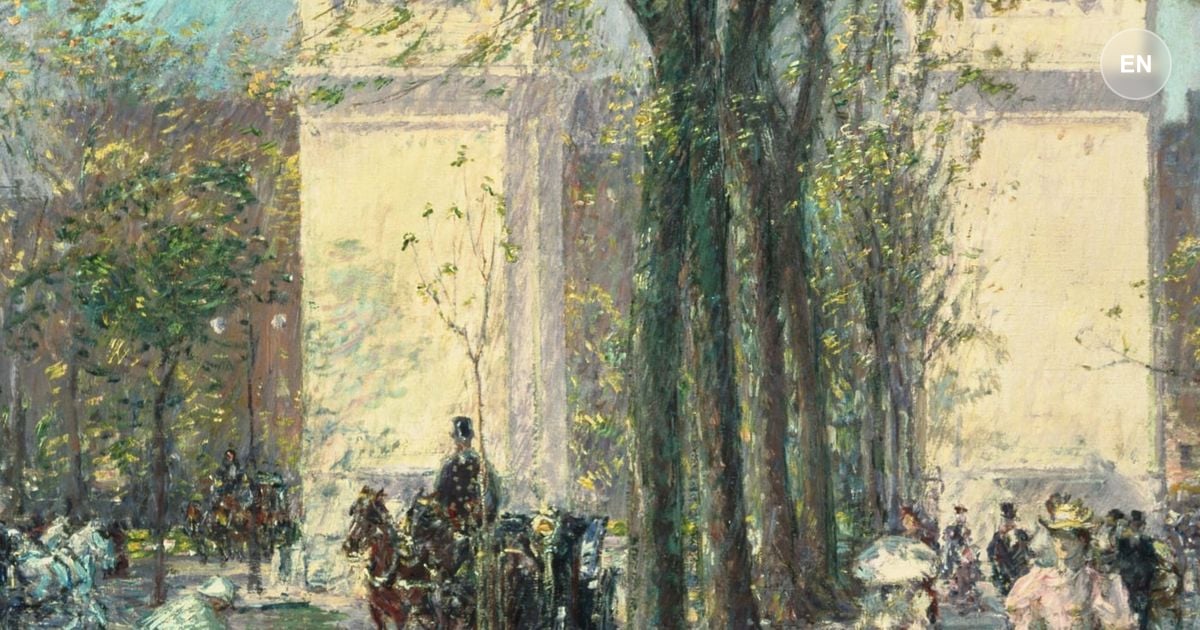
Morris and Mrs Penniman are left off Dr Sloper's foreign tour. Lavinia bears the snub with theatrical grace. She tells Mrs Almond she would enjoy Raphael and the ruins of the Pantheon, then says she wants rest after four months of drama. Mrs Almond understands the trip as a trap for Catherine's constancy and wishes Lavinia had not made herself Morris's ally. Mrs Penniman tells Catherine plainly that her father hopes Europe will make her forget Morris: out of sight, out of mind. She advises letting him spend the money before revealing that the plan failed. Catherine, stung for the first time by her father's contempt about bad taste, feels absolved from penance and meets Morris in the Square.
She reports the six-month European plan and promises to do whatever he thinks best, hoping he will tell her to stay. Instead he asks whether she would like celebrated sights abroad. When she says no, he privately calls her a dull woman and publicly urges her to go. He reframes the journey as proof of reasonableness, a way to wait, soften the doctor among ruins and moonlit gondolas, and protect her inheritance for their future children. Catherine is struck by the Venetian fantasy yet doubts her talent for clever pleading on cue. They settle that she will tell her father she will follow him anywhere, while reserving inward loyalty to Morris. Preparations move quickly.
Mrs Penniman kisses Catherine's forehead, vows to tend the sacred flame of the engagement, and credits her pride for staying home. Morris promises on parting that he will be the same, only more so. The year abroad compresses into a few pages. Washington Square becomes Morris's club. He visits constantly, smokes in the doctor's study, and enjoys indolent privilege. Mrs Almond warns Lavinia that if Catherine loses her fortune Morris will turn cruel. Lavinia prefers bright enjoyment and hopes the fortune may yet flow through Catherine, or at least not to her.
James exposes a timeless truth: some people treat love like a business deal, calculating costs and benefits rather than feeling genuine connection. Morris doesn't fight for Catherine because he's not invested in her presence, he's invested in her inheritance. His elaborate fantasies about Venice moonlight aren't romantic; they're strategic planning sessions where Catherine becomes his unpaid sales representative. This pattern thrives in every era because it disguises selfishness as sacrifice. Today's version might be the partner who only shows affection when they need something, the friend who disappears during your struggles but reappears for your successes, or the family member who suddenly becomes caring when inheritance discussions begin. The mechanism remains identical: emotional manipulation disguised as noble patience. In working-class communities, this often manifests around economic vulnerability, someone who shows interest when you get a better job, overtime pay, or tax refund, but becomes distant when money gets tight. James shows us that transactional affection always reveals itself through one crucial test: genuine love fights for presence, while calculated interest accepts absence. The person who easily lets you go was never really holding on to begin with. Recognition becomes protection when we learn to trust patterns over promises.
Explore this chapter with AI to uncover deeper meaning and practical takeaways.
AI Discussion