
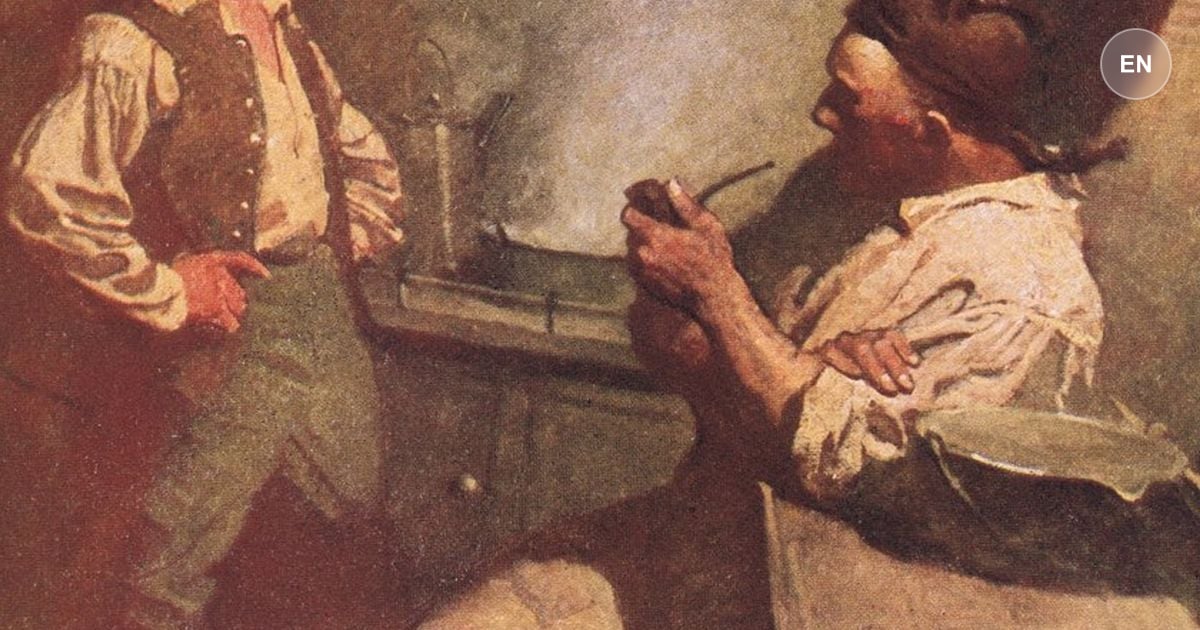
Silver faces his ultimate leadership test when the mutineers deliver him the black spot, pirate democracy's version of a no-confidence vote. They're deposing him as captain, using a page torn from Dick's Bible as their official notice. But Silver doesn't panic or plead. Instead, he systematically dismantles their case, turning each accusation back on his accusers. He reminds them that their current disasters stem from ignoring his original plan, not following it.
When they question his decisions about Jim and the doctor, Silver reveals his trump card: the treasure map. This single piece of paper transforms everything. The mutineers who moments ago wanted him gone now beg him to stay as captain. Silver demonstrates masterful crisis management, he listens to complaints, addresses them point by point, and then produces evidence that proves his value.
The chapter reveals how real power isn't about titles or votes, but about controlling what people need most. Silver survives because he understands that leadership isn't about being liked; it's about being indispensable. Jim watches this political theater with fascination and growing respect for Silver's cunning, even as he recognizes the man's fundamental wickedness. The scene shows how charismatic leaders can manipulate democratic processes and turn potential defeats into victories through preparation and psychological insight.
The pirates' black spot represents democracy at its most basic level, the right of the group to remove leaders who fail them. But Stevenson shows us something unsettling: how easily democratic processes can be manipulated by those who understand human psychology. Silver doesn't win through votes or popular appeal. He wins by controlling information and exploiting his followers' desperation. This pattern echoes through modern workplaces, politics, and communities. We see it when union votes get swayed not by the best arguments but by whoever controls the narrative. We see it in town halls where prepared speakers with data dominate discussions, regardless of community sentiment. We see it in family meetings where the person with the most documentation about finances or care decisions effectively controls outcomes. The chapter forces us to confront an uncomfortable truth: democratic processes are only as good as the information available to participants and their ability to think critically about it. Silver's triumph isn't a victory of leadership, it's a demonstration of how knowledge gaps and emotional manipulation can subvert collective decision-making. The question isn't whether Silver deserves to lead, but whether his followers have enough information and emotional distance to make that choice freely.
Explore this chapter with AI to uncover deeper meaning and practical takeaways.
AI Discussion