
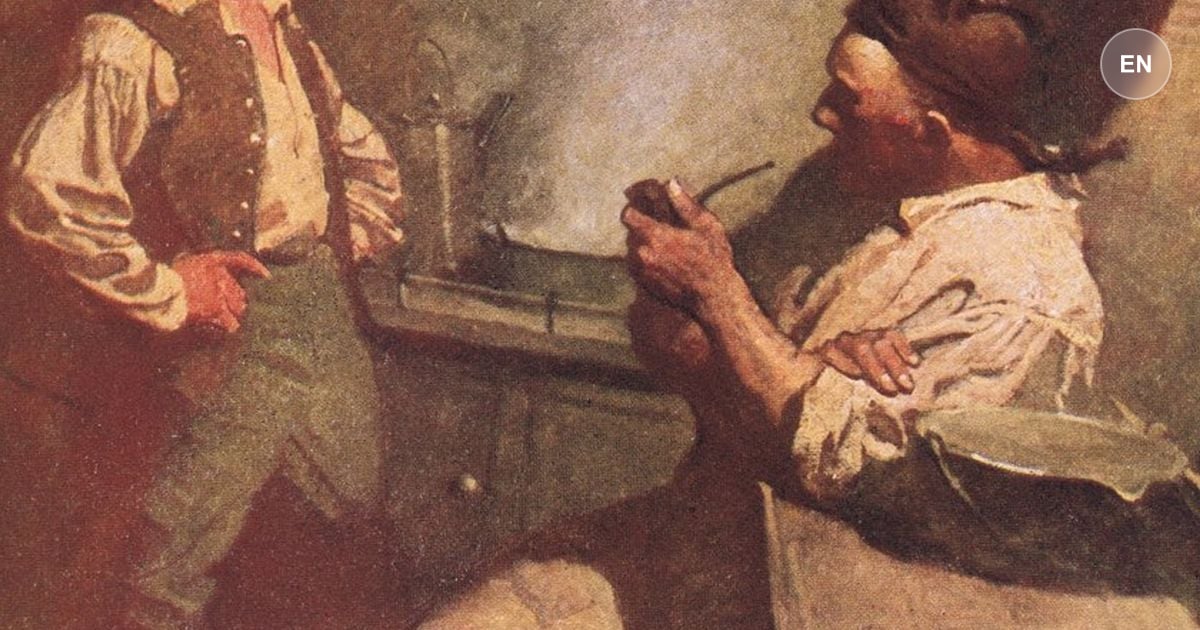
The pirates launch their assault on the stockade, and Captain Smollett reveals why he's a true leader. When he catches his men abandoning their posts to watch Silver leave, he doesn't just get angry, he uses shame and duty to snap them back into focus. His preparation shows: every weapon positioned, every man assigned a role, ammunition ready. When the attack comes, it's chaos. Pirates swarm over the fence, Hunter gets knocked unconscious, Joyce is killed, and suddenly the defenders are fighting hand-to-hand inside their own fortress.
But Smollett's leadership training pays off. He orders everyone outside where they can maneuver, turning a trap into an opportunity. The pirates expected to find cowering victims; instead they face organized resistance. In minutes, five pirates are dead and the rest flee. The victory comes at a cost, Joyce is dead, Hunter and the captain are wounded, but they've proven something important: discipline and leadership can overcome superior numbers.
Jim shows real courage, grabbing a cutlass and fighting alongside the men. This battle transforms him from passenger to participant. The chapter demonstrates that when crisis hits, preparation matters, but adaptability matters more. Smollett doesn't stick rigidly to his defensive plan when it fails, he pivots immediately, saving his men through decisive action.
Captain Smollett's moment of tactical brilliance reveals something counterintuitive about leadership: the best leaders are often the quickest to abandon their own strategies. When pirates breach his carefully prepared fortress, Smollett doesn't double down on defense or blame his men for the failure. He instantly calls for retreat to open ground, turning his fortress into a liability and transforming a trap into an advantage. This wasn't panic or defeat, it was intelligence in action. Stevenson wrote this during an era of rigid military hierarchy, when officers were expected to die rather than deviate from orders. Yet he shows us a leader whose ego isn't tied to being right, but to keeping his people alive. This pattern appears constantly in modern workplaces. The manager who refuses to adjust schedules when half the staff calls in sick, creating chaos rather than admitting the system needs flexibility. The supervisor who escalates disciplinary action when an employee is struggling, instead of asking what support they need. The team leader who pushes through with a project timeline even when equipment failures make it impossible, risking safety rather than acknowledging reality has changed. Real leadership requires the courage to look stupid in the short term to achieve what actually matters in the long term. It means preparing extensively but holding those plans lightly, ready to pivot when circumstances demand it.
Explore this chapter with AI to uncover deeper meaning and practical takeaways.
AI Discussion